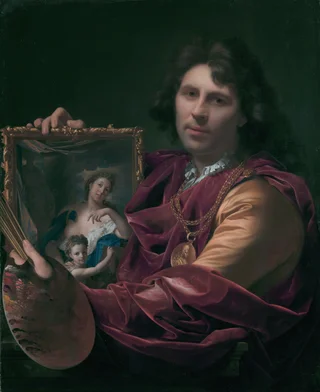
Adriaen van der Werff
1659–1722 · Dutch Republic · Baroque
The story
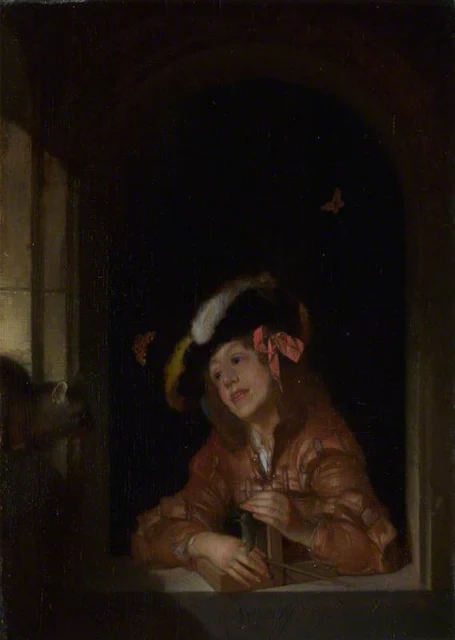
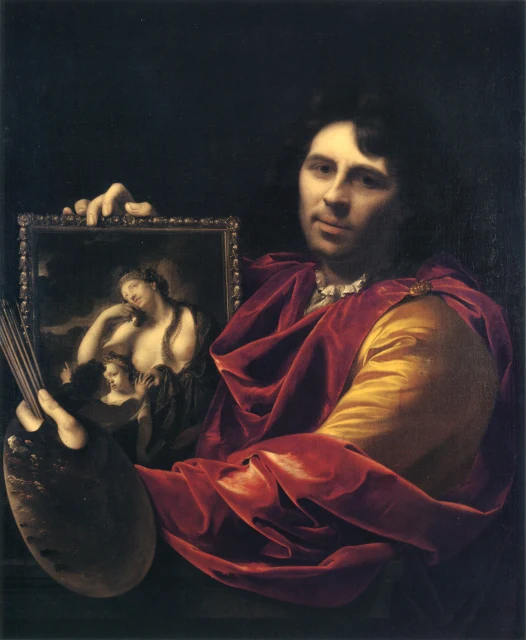
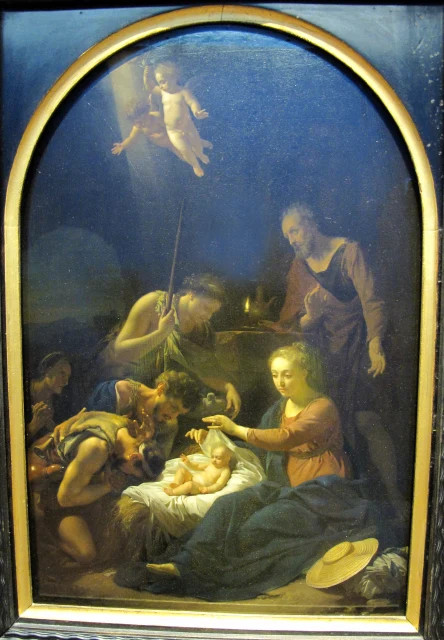
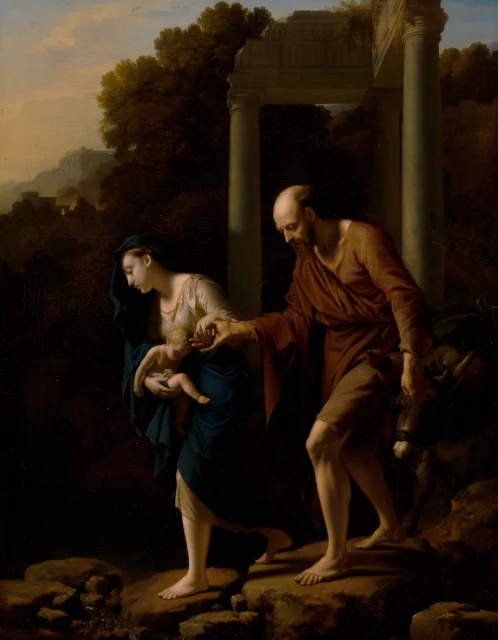
Adriaen van der Werff polished his paintings until the brushwork disappeared. Working in the tradition of the Dutch fijnschilders, the fine painters who prized an almost invisible, enamel-smooth surface, he made small, highly finished pictures of biblical and mythological scenes, their surfaces so smooth the figures look almost moulded.
That finish made him rich and, unusually for a Dutch painter, ennobled. In 1696 the visit that changed his life arrived in Rotterdam. Johann Wilhelm, the Elector Palatine, a German prince and passionate collector, came with his wife Anna Maria Luisa de' Medici to see the painter at work. From 1697 Van der Werff was the Elector's court painter, and in 1703 the prince made him a knight.
The arrangement let him serve one great patron for high fees while staying in his own city. He had begun as the son of a Rotterdam miller and trained under Eglon van der Neer, himself a fine painter, and he ended with a European reputation and a fortune. Through the 18th century collectors ranked him among the most prized of all Dutch painters, and his small panels changed hands for enormous sums, before later taste turned against so much polish.