Albert Eckhout
Dutch Republic · Dutch Golden Age, Still life painting, Baroque
The story
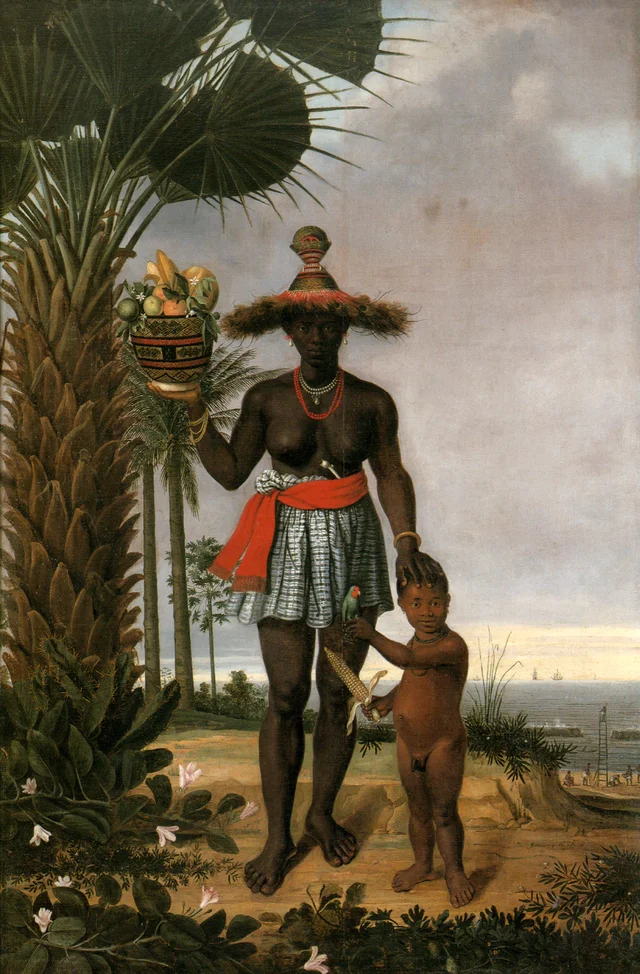
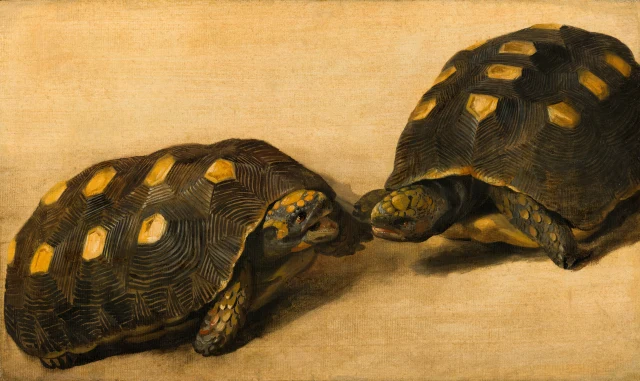
In 1637 the Dutch painter Albert Eckhout sailed to the far side of the world. The Dutch West India Company had taken a stretch of north-eastern Brazil from Portugal, and its governor there, Johan Maurits of Nassau, brought Eckhout along to record what few Europeans had seen: the land, its plants and animals, and its people.
Over the next several years Eckhout painted eight life-size figures, among them a Tupi man and woman, a Tapuya couple, and an African man and woman, each shown full length with the fruits, tools and landscapes of their world around them. They are among the earliest large European paintings of the peoples and produce of the Americas, and they carry the assumptions of the colonial eye that made them.
He also painted vivid still lifes of pineapples, cashews, melons and manioc, tropical foods still strange to Dutch tables. When Johan Maurits left Brazil he handed the whole group on as a diplomatic gift to the king of Denmark, and that is why Eckhout's Brazil now hangs in Copenhagen, in the National Museum of Denmark, thousands of miles from the country it records.