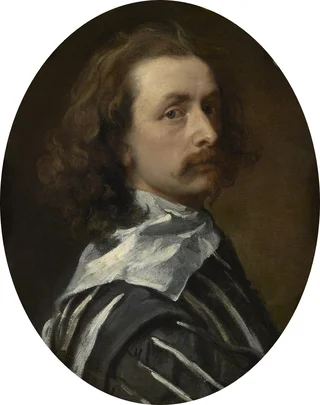
Anthony van Dyck
1599–1641 · Spanish Netherlands · Baroque painting
The story
In 1632 Charles I of England, a king obsessed with the appearance of an authority he did not quite have in Parliament, brought the Antwerp painter Anthony van Dyck to London, knighted him, and gave him rooms at Blackfriars and a boat to ferry him up the Thames to the royal palace. Van Dyck had trained years earlier in the studio of Peter Paul Rubens, the leading painter of the Southern Netherlands, and had spent much of his twenties in Italy studying Titian's portraits in Genoa. What he brought back to England was a way of painting the aristocracy that made formal portraiture look relaxed, even intimate, without losing an ounce of grandeur.
For the rest of the decade van Dyck painted almost nobody but the king, the queen, and their circle, turning out image after image of a monarchy that recorded itself, in paint, exactly as it wanted to be remembered. Charles hardly sat for anyone else again. Those portraits are still the picture most people carry of the Stuart court, elongated hands, silk, ease, a king who looks entirely secure on his throne.
Van Dyck died in London in December 1641, a year before civil war broke out between Charles and Parliament. Charles was executed outside his own Banqueting House in Whitehall in 1649, reportedly wearing two shirts against the January cold so that he would not shiver and be seen to be afraid.
More articles
Works
240 works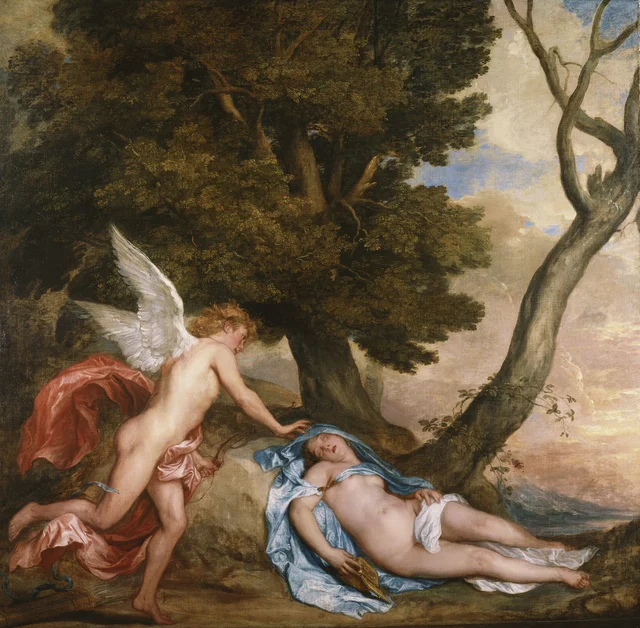 Amor and PsycheAnthony van Dyck, 1639
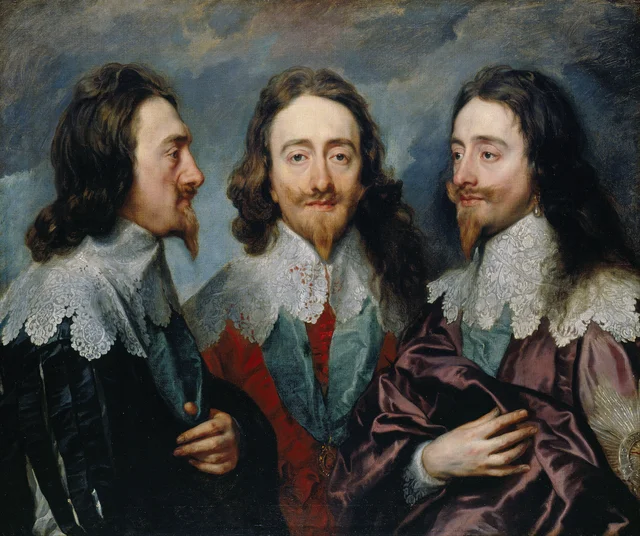 Charles I in Three PositionsAnthony van Dyck, 1635
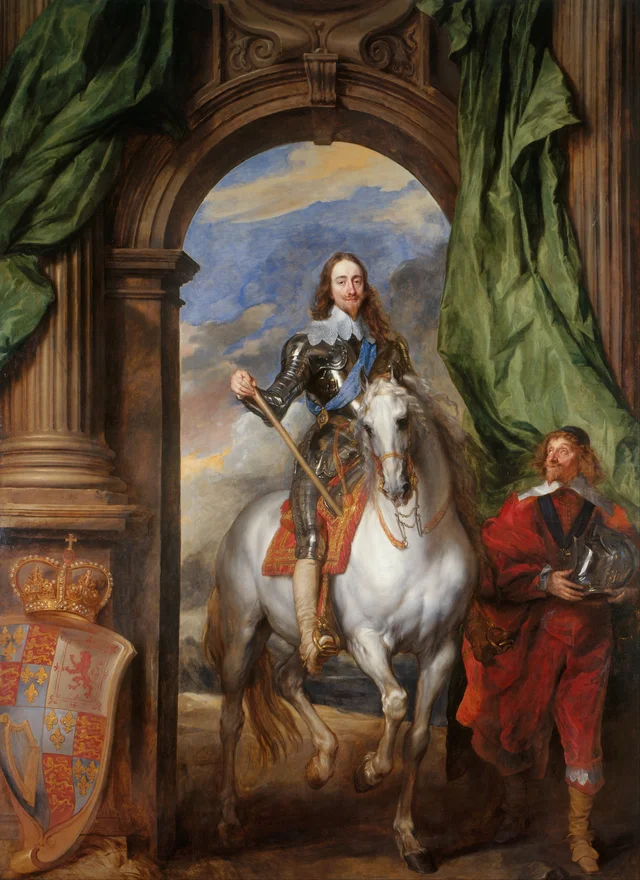 Charles I (1600-1649) with M. de St AntoineAnthony van Dyck, 1633
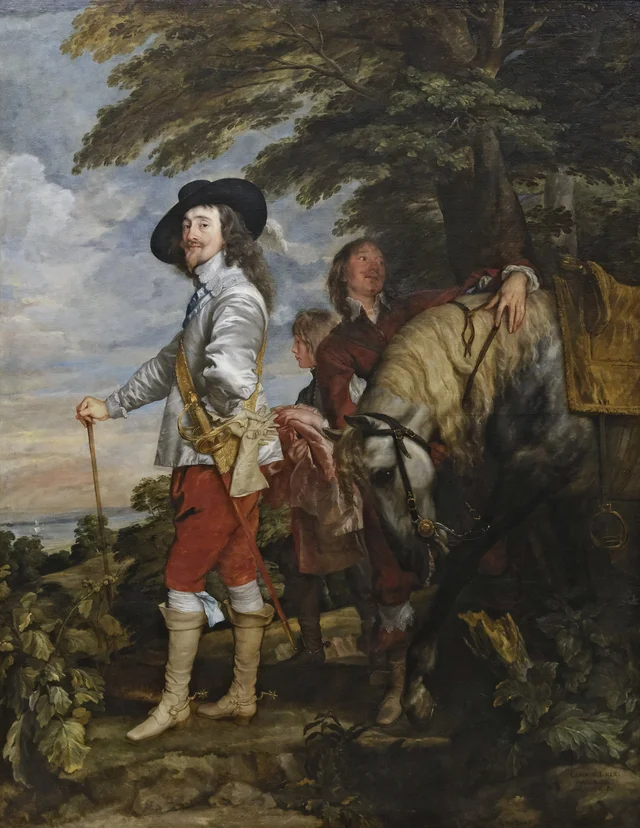 Charles I at the HuntAnthony van Dyck, 1635
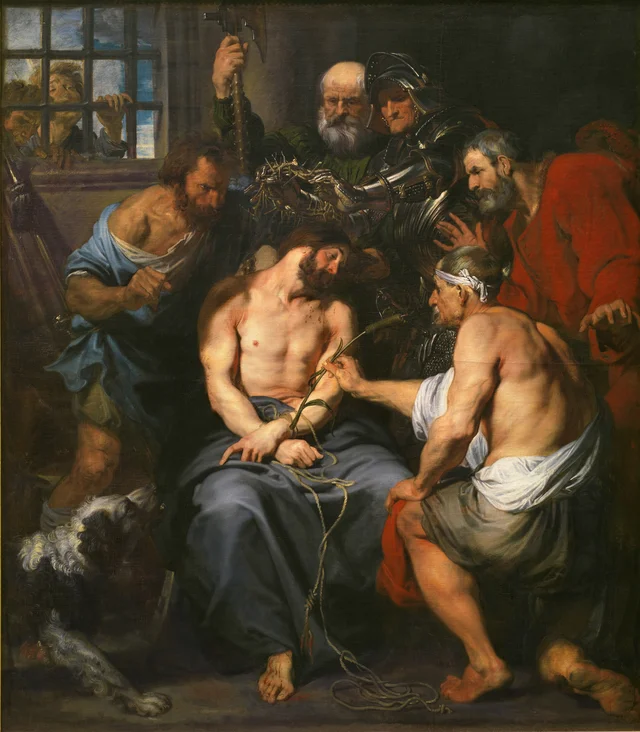 The Crown of ThornsAnthony van Dyck, 1620
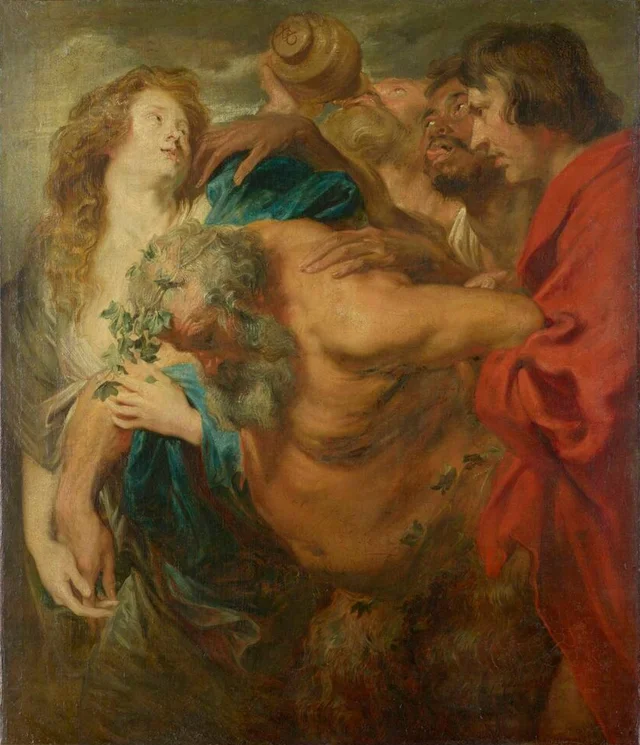 Drunken SilenusAnthony van Dyck, 1620
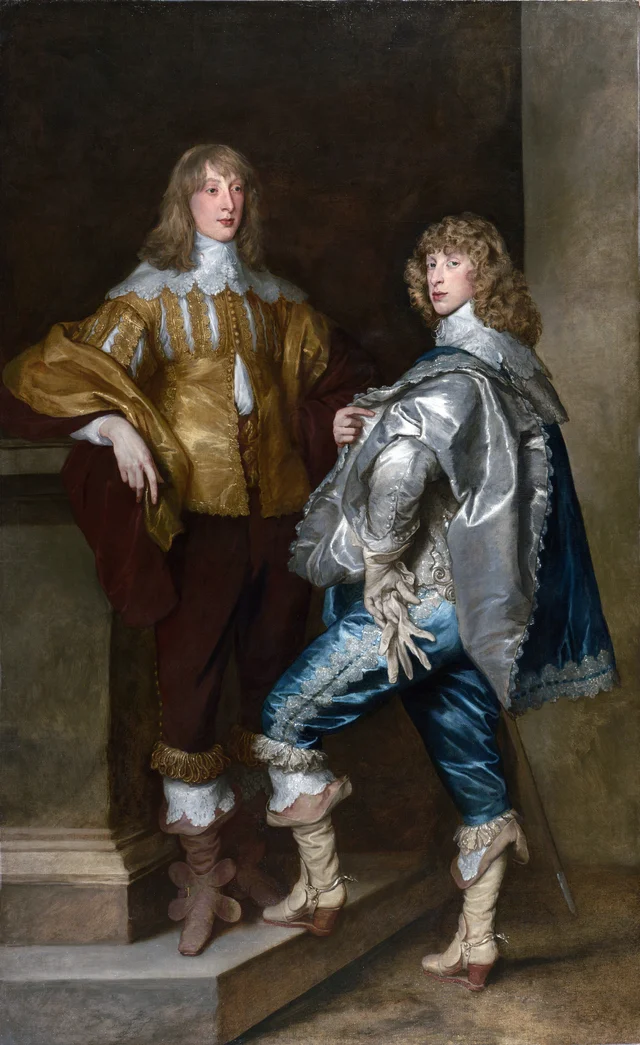 Lord John Stuart and His Brother, Lord Bernard StuartAnthony van Dyck, 1638
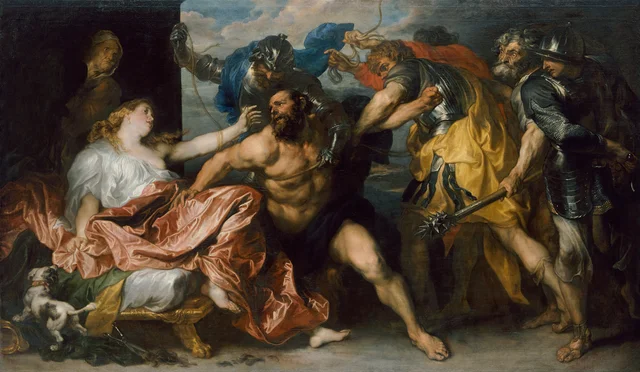 Samson and DelilahAnthony van Dyck, 1630
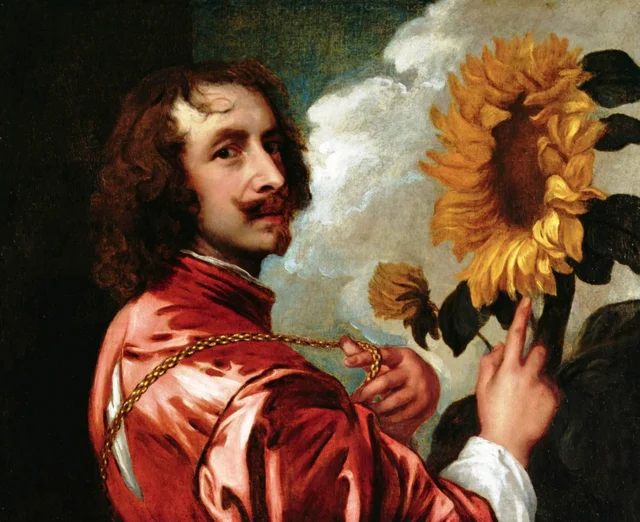 Self-portrait with a SunflowerAnthony van Dyck, 1632
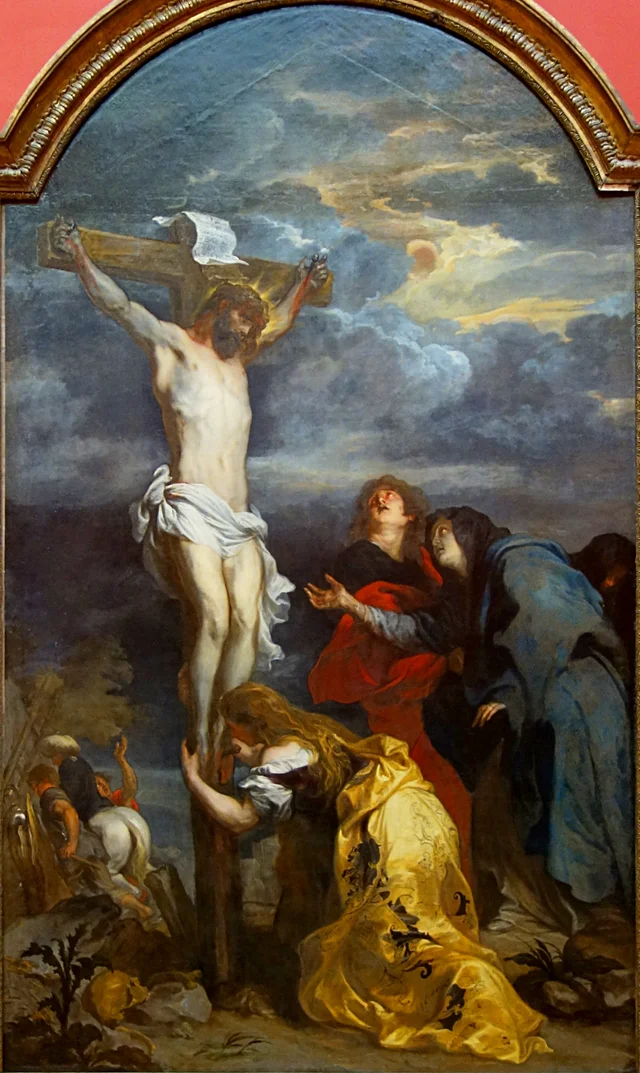 CrucifixionAnthony van Dyck, 1630
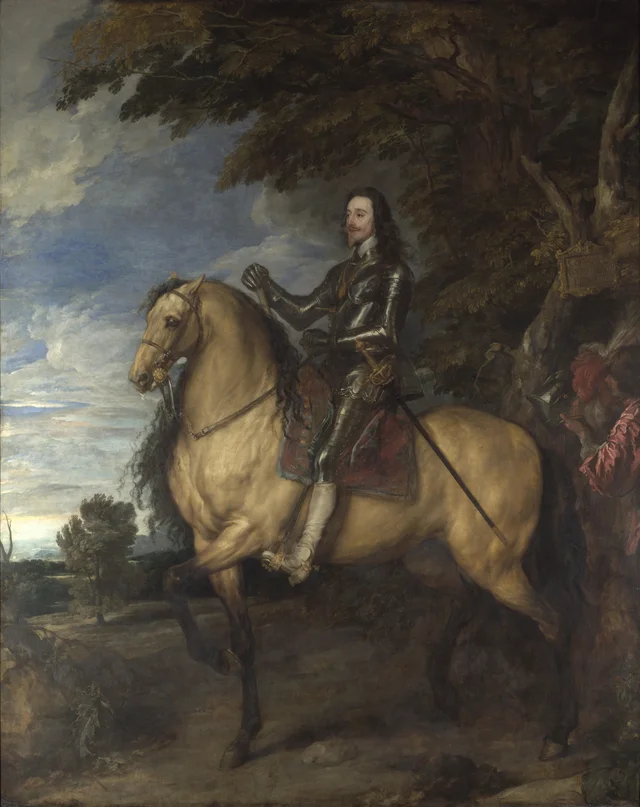 Equestrian Portrait of Charles IAnthony van Dyck, 1637
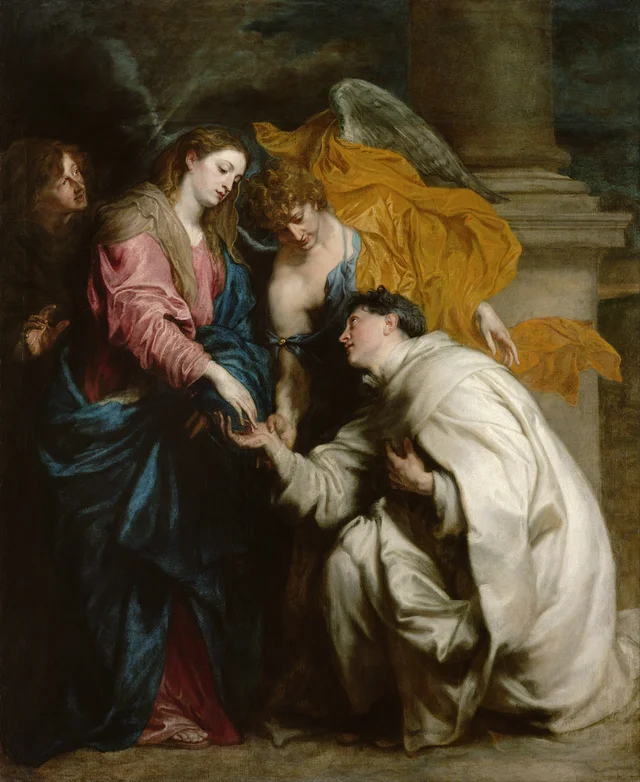 The Vision of the Blessed Hermann JosephAnthony van Dyck, 1629
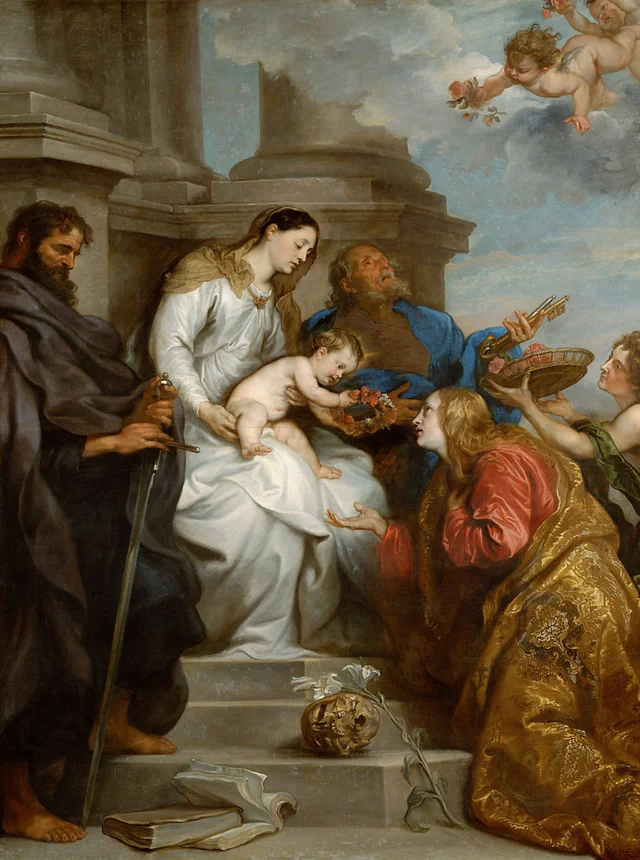 Coronation of Saint RosaliaAnthony van Dyck, 1629
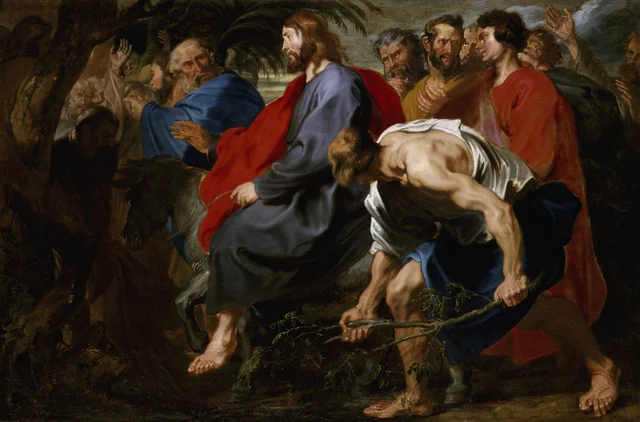 Entry of Christ into JerusalemAnthony van Dyck, 1617
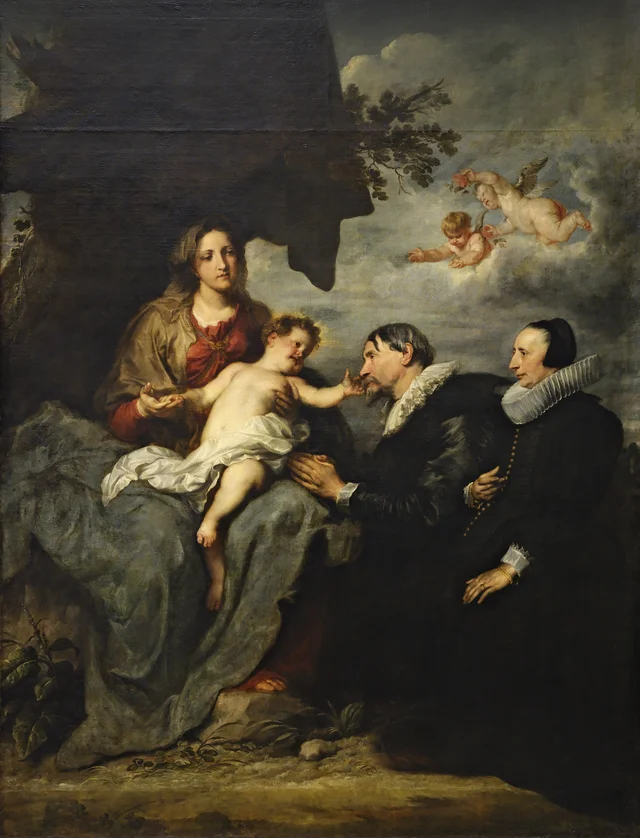 Madonna with Two DonorsAnthony van Dyck, 1630
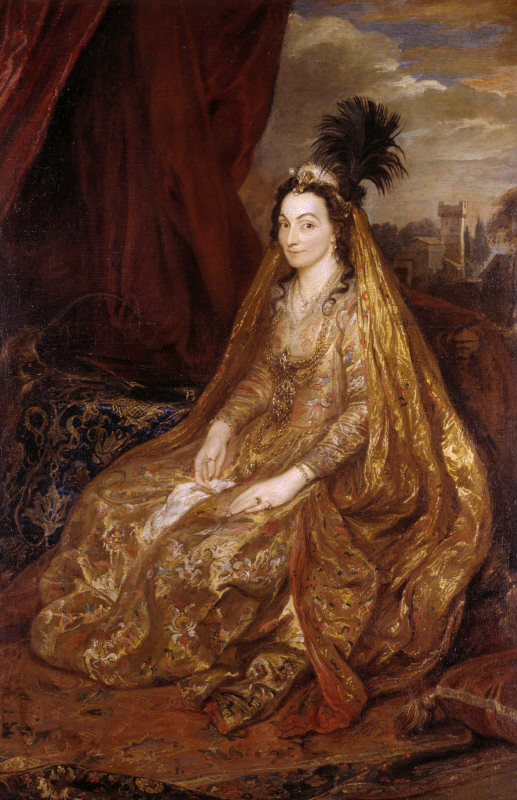 Portrait of Lady Theresa ShirleyAnthony van Dyck, 1622
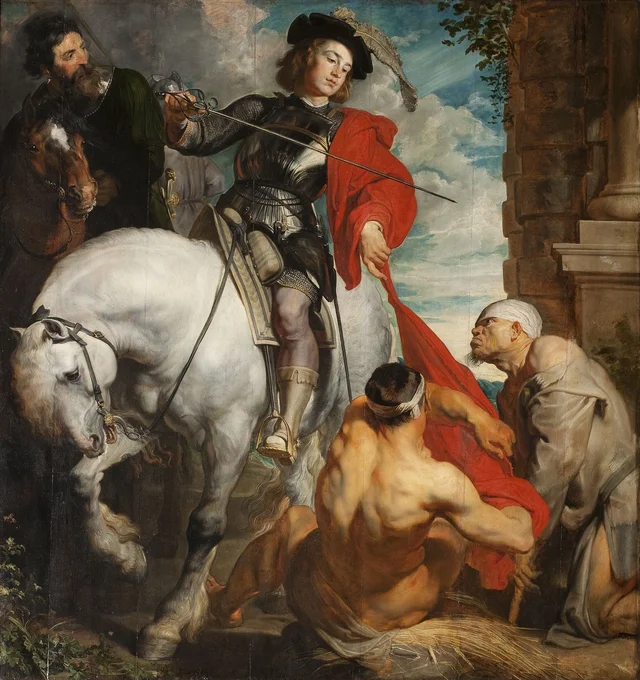 Saint Martin and the BeggarAnthony van Dyck, 1621
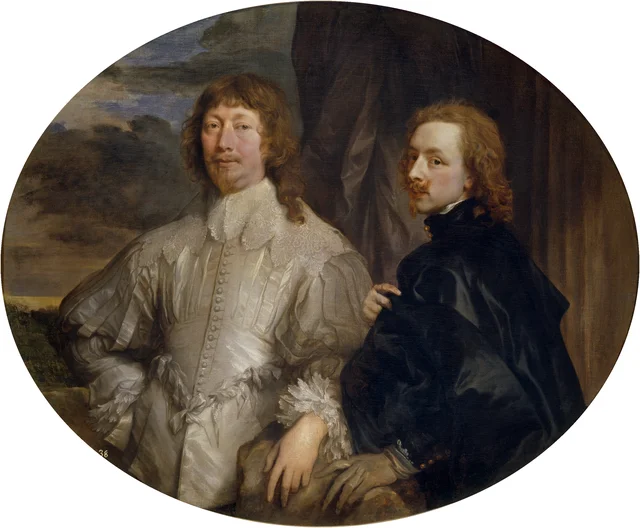 Self-portrait with Sir Endymion PorterAnthony van Dyck, 1635
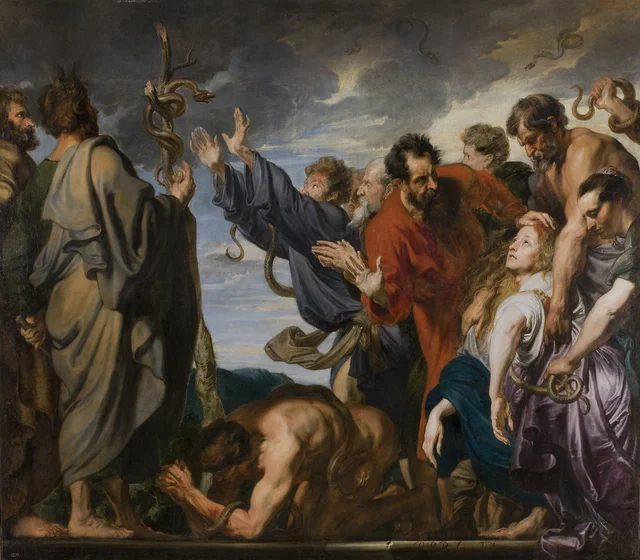 The Brazen SerpentAnthony van Dyck, 1618
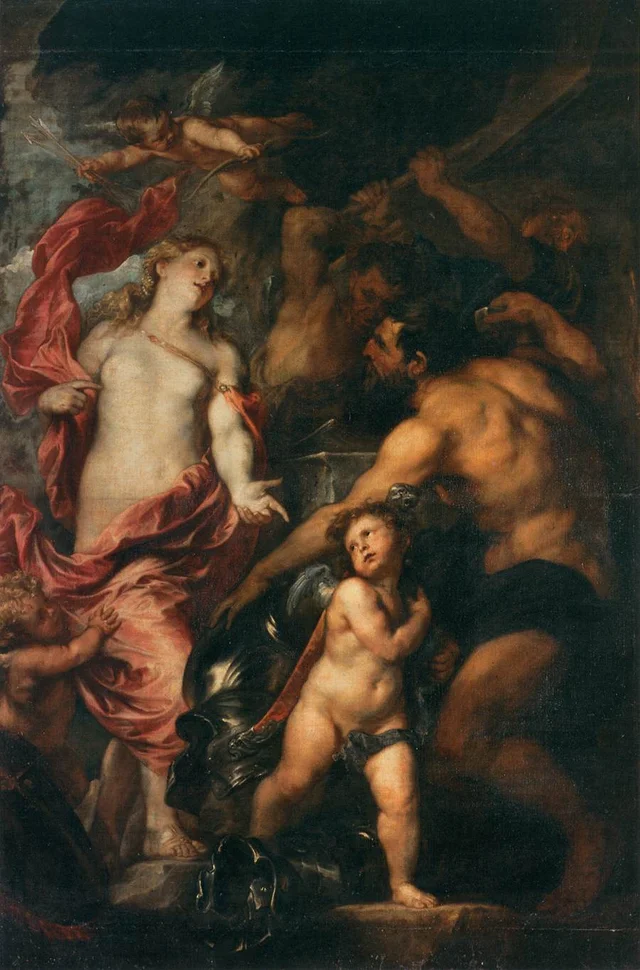 Venus Asks Vulcan to Cast Arms for her Son AeneasAnthony van Dyck, 1630
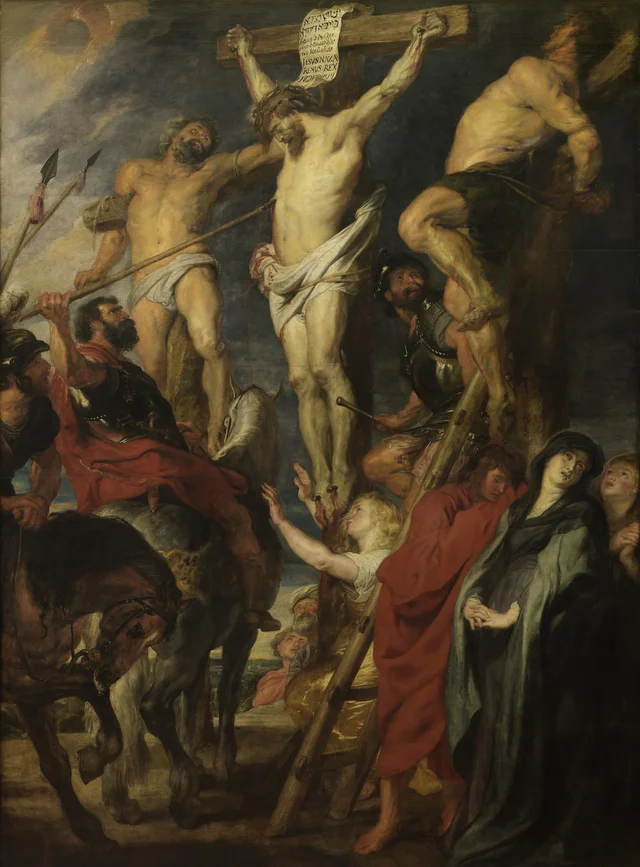 Christ on the Cross between the two criminalsAnthony van Dyck, 1620
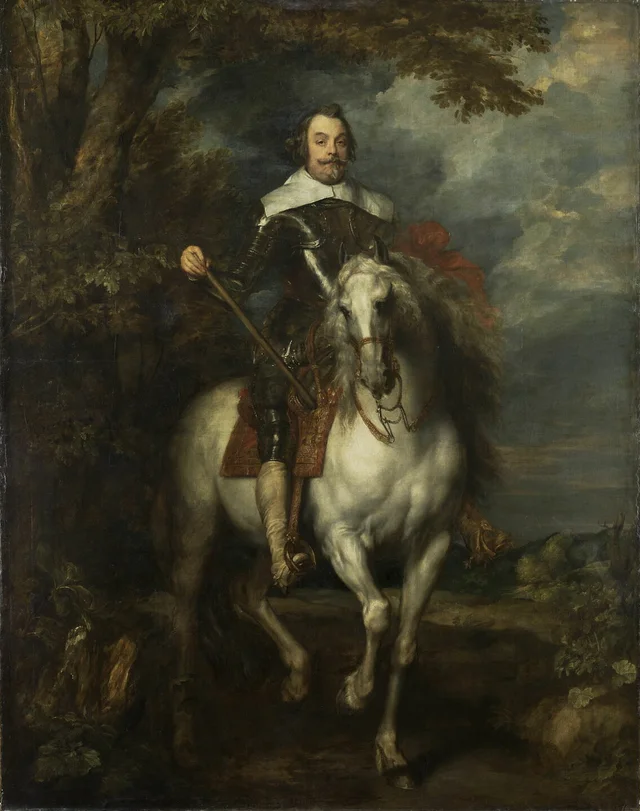 Equestrian portrait of Francisco de MoncadaAnthony van Dyck, 1634
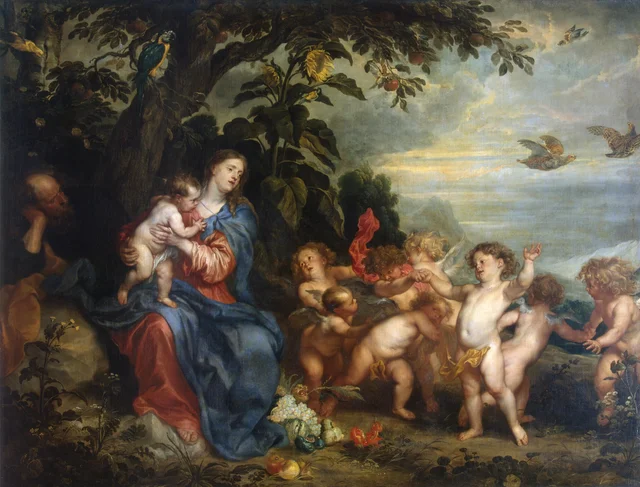 Madonna with PartridgesAnthony van Dyck, 1632
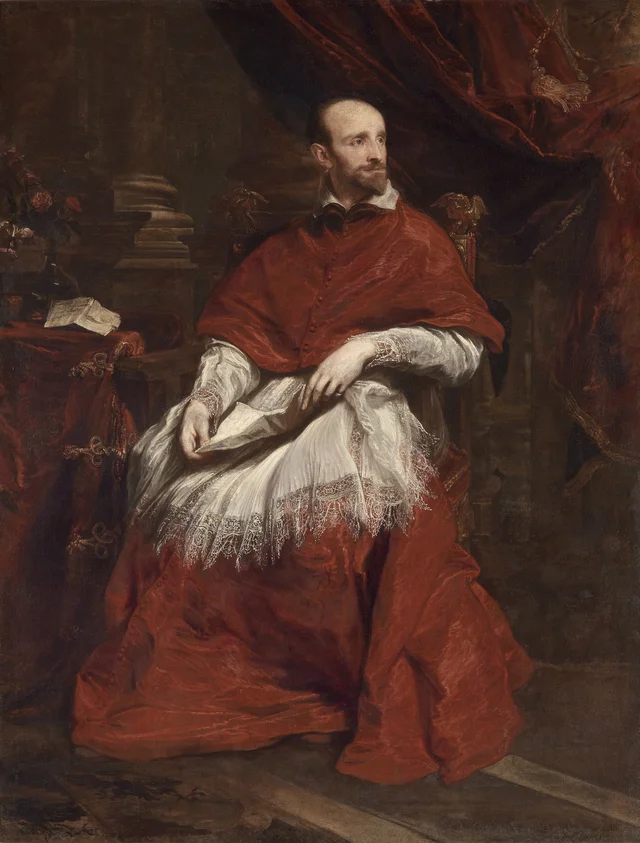 Portrait of Cardinal Guido BentivoglioAnthony van Dyck, 1623
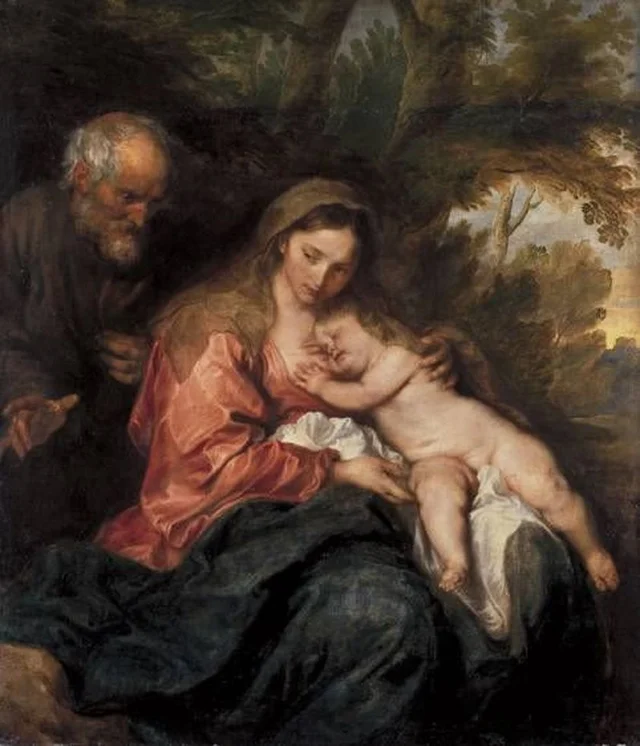 Rest on the Flight to EgyptAnthony van Dyck, 1630