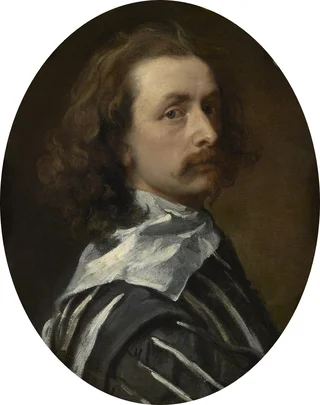
Anthony van Dyck
1599–1641 · Spanish Netherlands · Baroque painting
The story
In 1632 Charles I of England, a king obsessed with the appearance of an authority he did not quite have in Parliament, brought the Antwerp painter Anthony van Dyck to London, knighted him, and gave him rooms at Blackfriars and a boat to ferry him up the Thames to the royal palace. Van Dyck had trained years earlier in the studio of Peter Paul Rubens, the leading painter of the Southern Netherlands, and had spent much of his twenties in Italy studying Titian's portraits in Genoa. What he brought back to England was a way of painting the aristocracy that made formal portraiture look relaxed, even intimate, without losing an ounce of grandeur.
For the rest of the decade van Dyck painted almost nobody but the king, the queen, and their circle, turning out image after image of a monarchy that recorded itself, in paint, exactly as it wanted to be remembered. Charles hardly sat for anyone else again. Those portraits are still the picture most people carry of the Stuart court, elongated hands, silk, ease, a king who looks entirely secure on his throne.
Van Dyck died in London in December 1641, a year before civil war broke out between Charles and Parliament. Charles was executed outside his own Banqueting House in Whitehall in 1649, reportedly wearing two shirts against the January cold so that he would not shiver and be seen to be afraid.
More articles
Works
240 works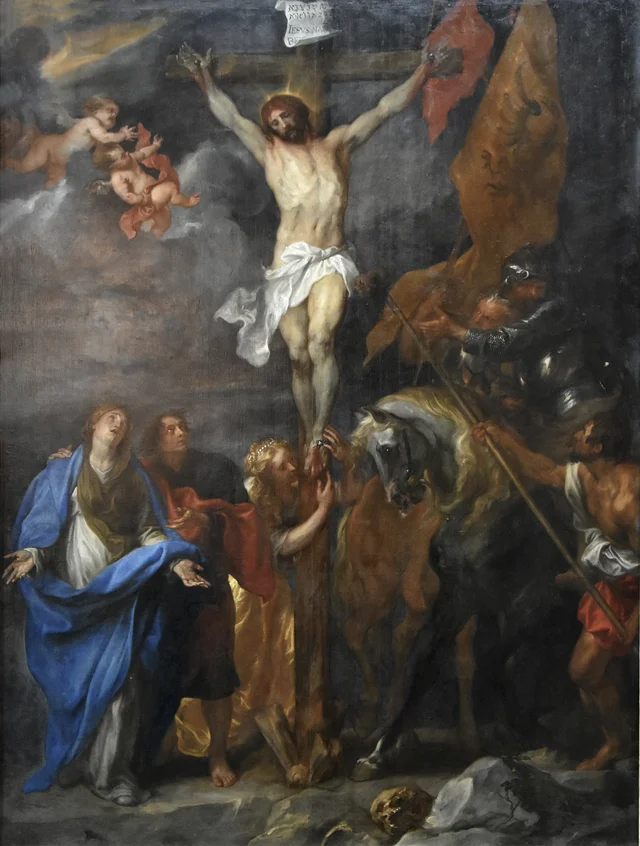 GolgothaAnthony van Dyck, 1630
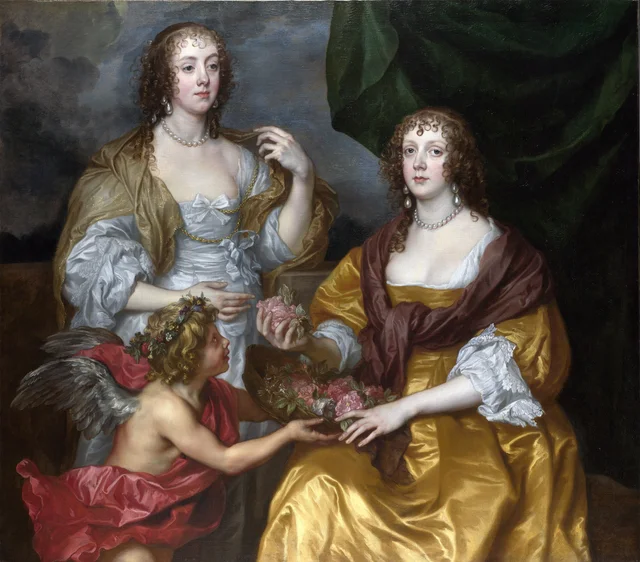 Lady Elizabeth Thimbelby and her SisterAnthony van Dyck, 1637
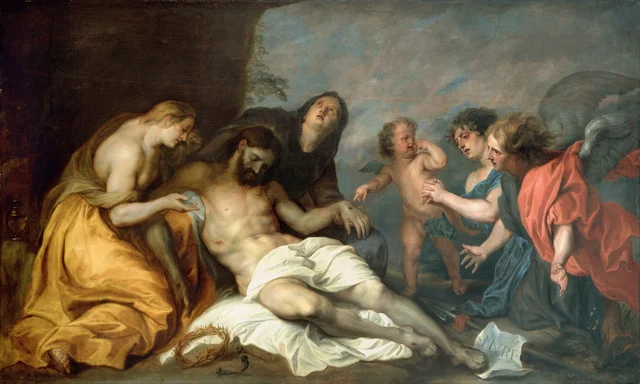 Lamentation over the Dead ChristAnthony van Dyck, 1637
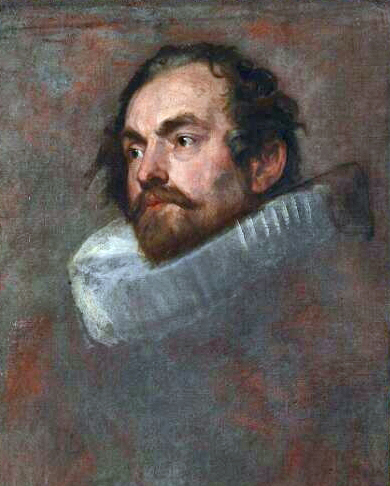 Magistrate of BrusselsAnthony van Dyck, 1634
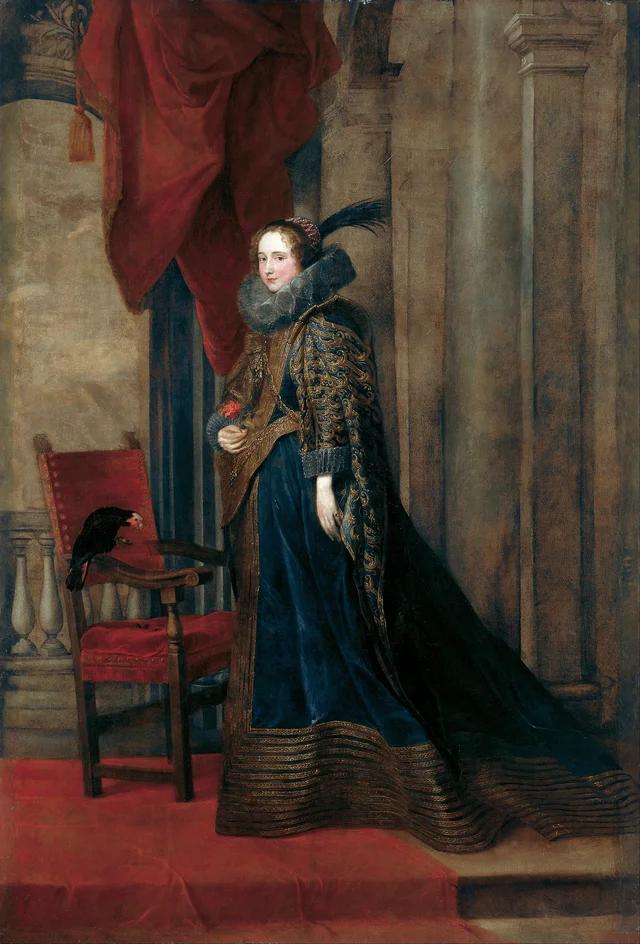 Paolina Adorno Brignole-SaleAnthony van Dyck, 1627
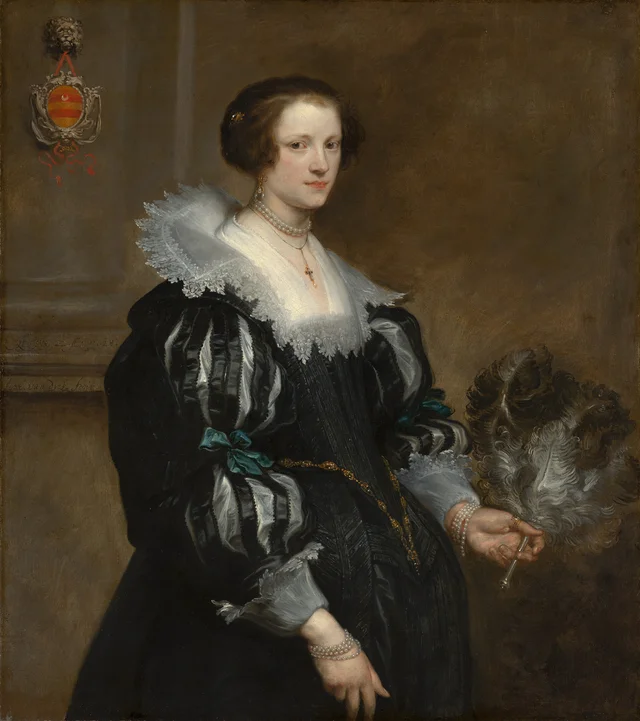 Portrait of Anna WakeAnthony van Dyck, 1628
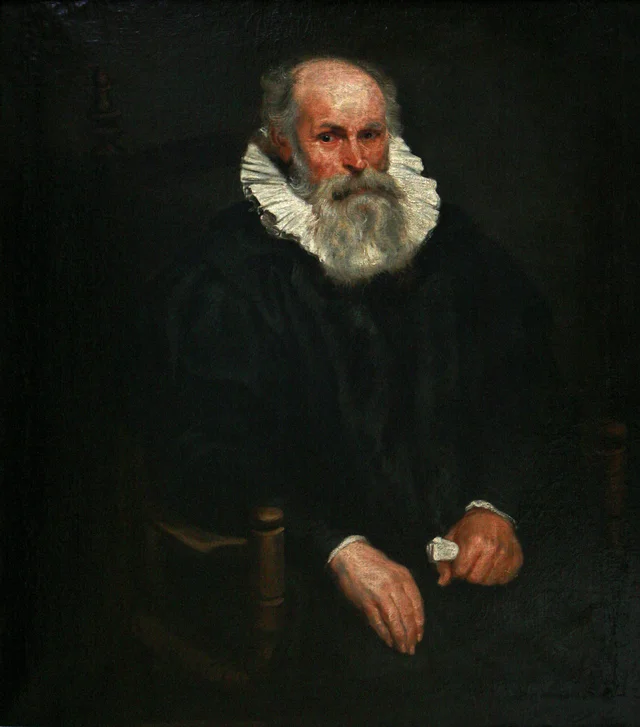 Portrait of an old manAnthony van Dyck
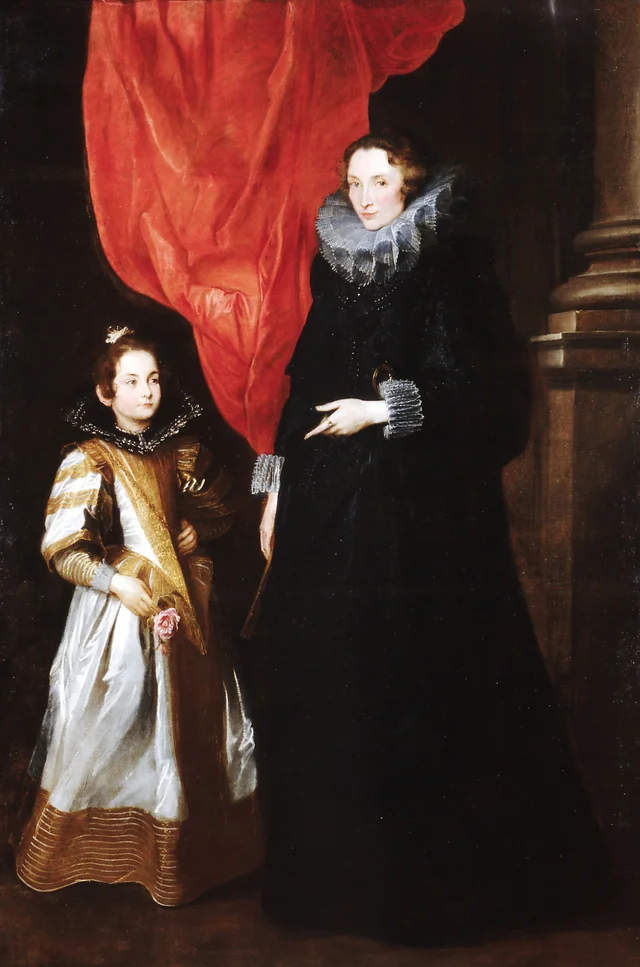 Portrait of Geronima Sale Brignole with her daughter Maria AureliaAnthony van Dyck, 1627
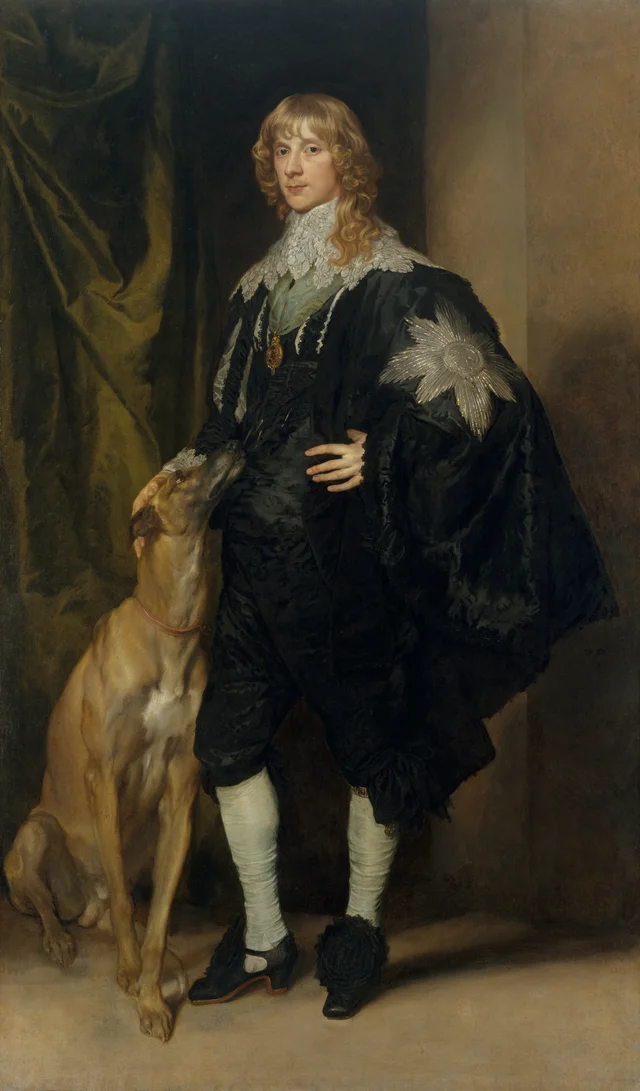 Portrait of James Stuart, Duke of Lennox and RichmondAnthony van Dyck, 1634
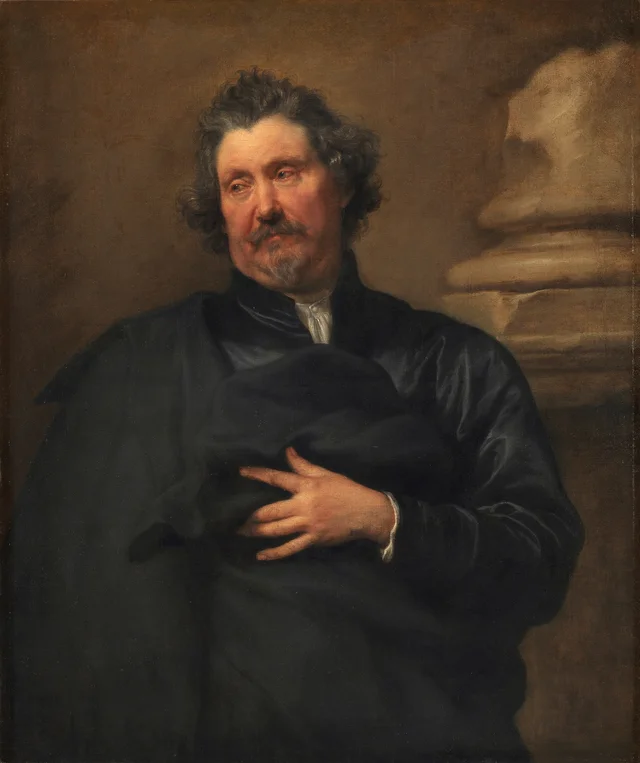 Portrait of Karel van MalleryAnthony van Dyck, 1631
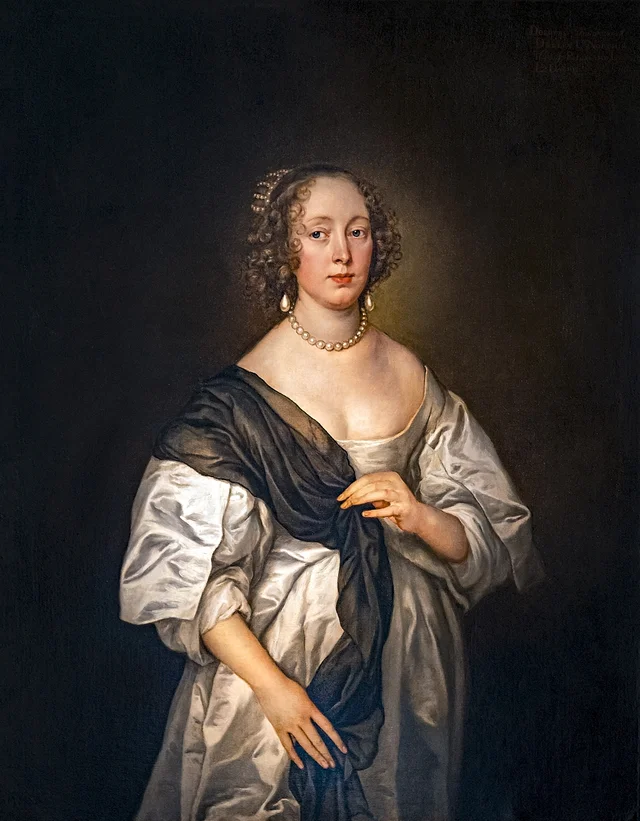 Portrait of Lady Dorothy DacreAnthony van Dyck, 1638
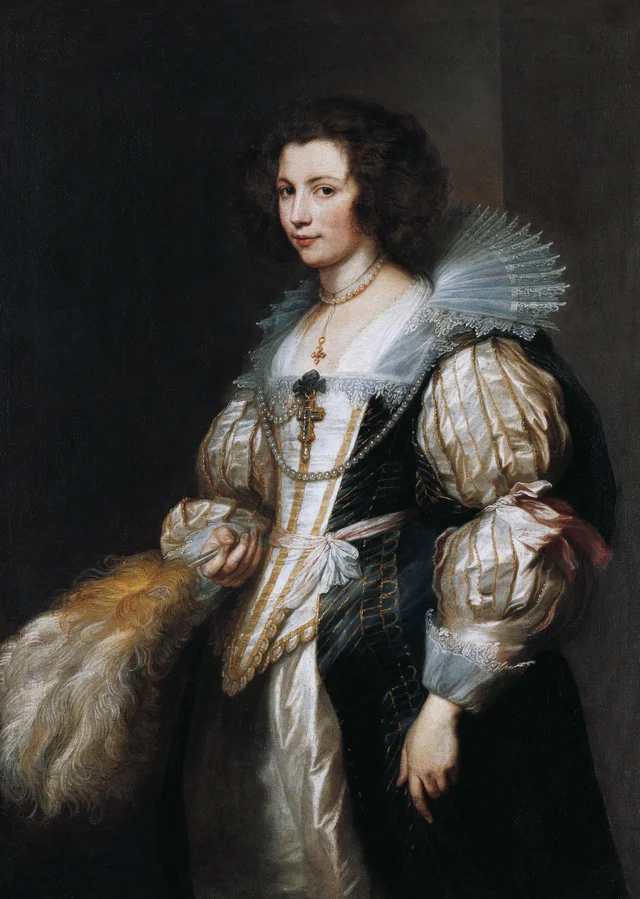 Portrait of Marie-Louise de TassisAnthony van Dyck, 1629
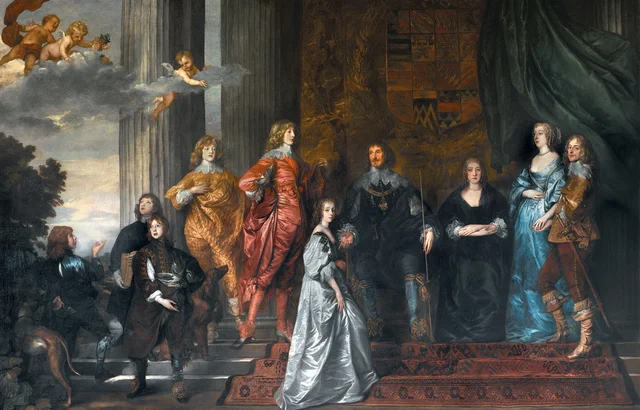 Portrait of Philip Herbert,4th Earl of Pembroke, his second wife Lady Anne Clifford,14th Baroness of Clifford and his surviving children by his first marriage and Lady Mary VilliersAnthony van Dyck, 1635
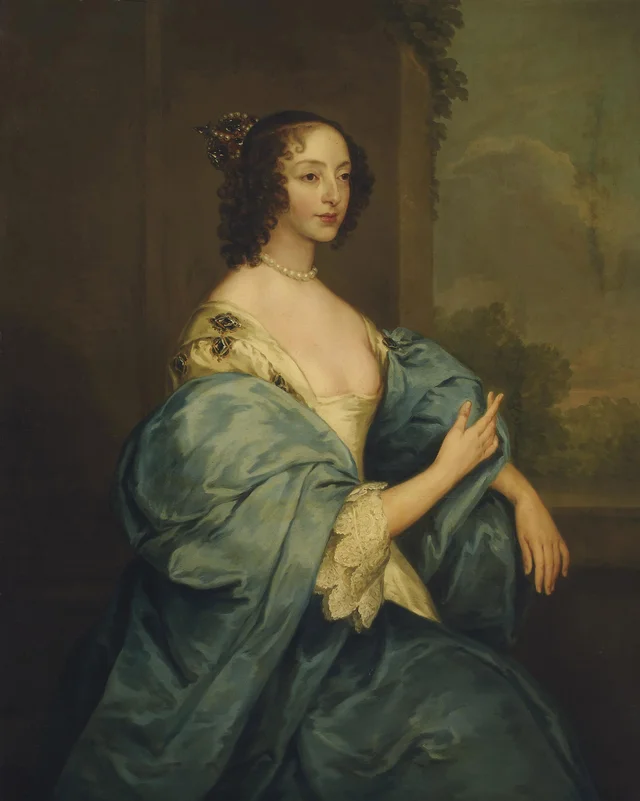 Portrait of Queen Henrietta Maria, as St CatherineAnthony van Dyck, 1639
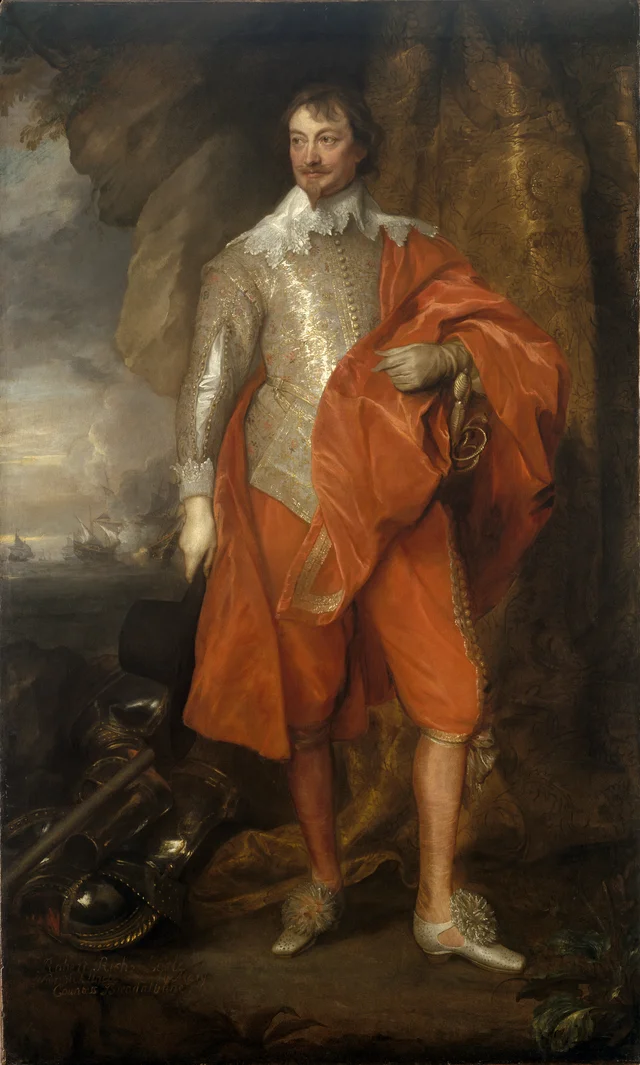 Portrait of Robert Rich, second earl of WarwickAnthony van Dyck, 1634
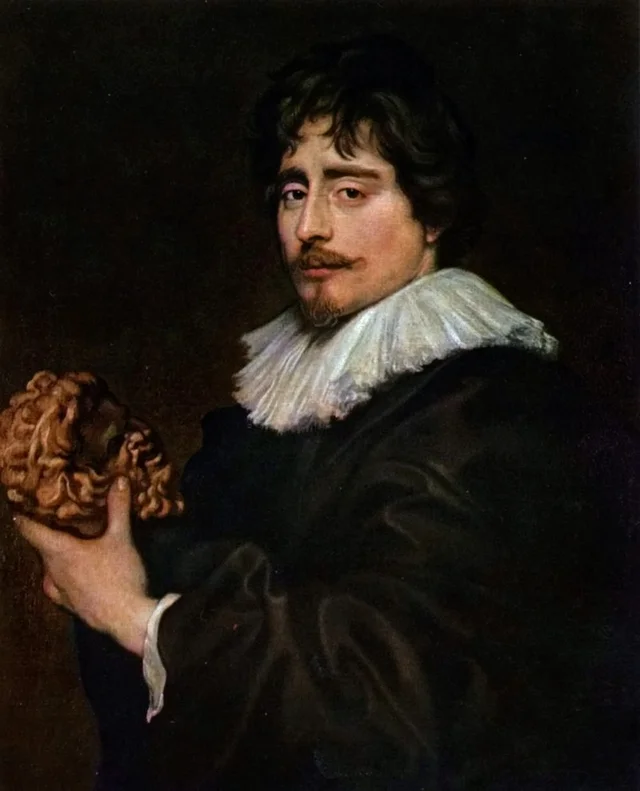 Portrait of the Sculptor François DuquesnoyAnthony van Dyck, 1622
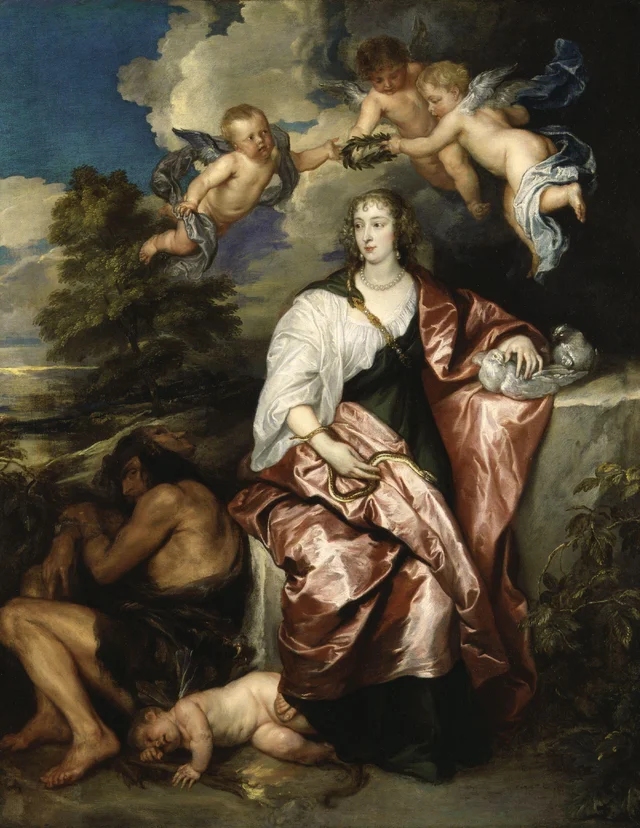 Portrait of Venetia, Lady DigbyAnthony van Dyck, 1633
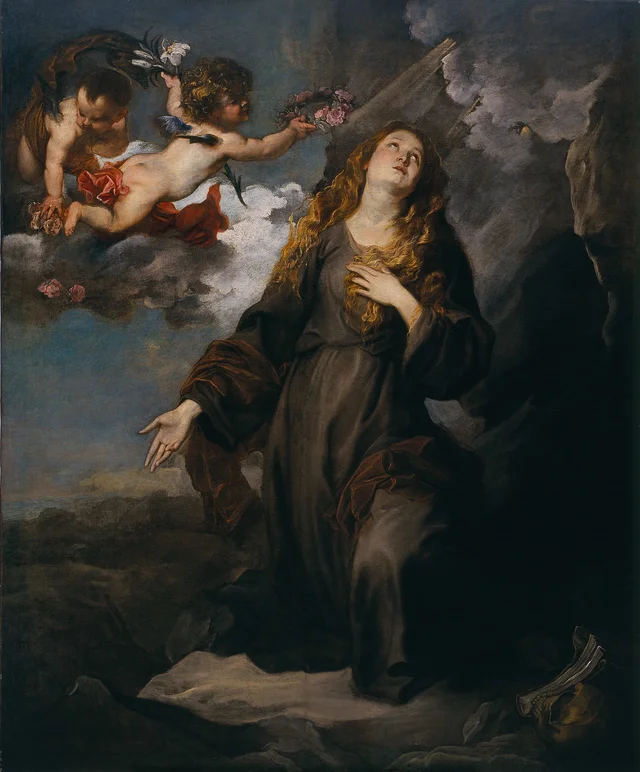 Saint Rosalie in GloryAnthony van Dyck, 1625
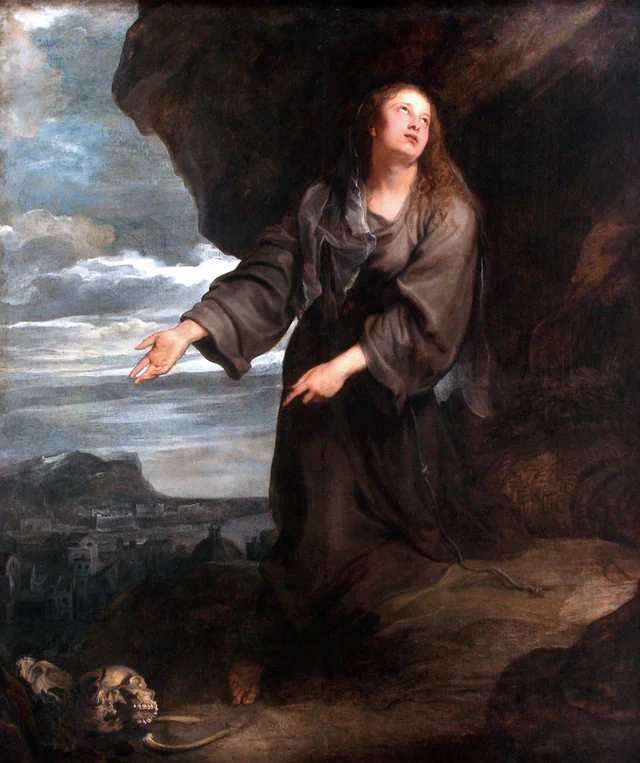 Saint Rosalie speaks for the city of PalermoAnthony van Dyck, 1624
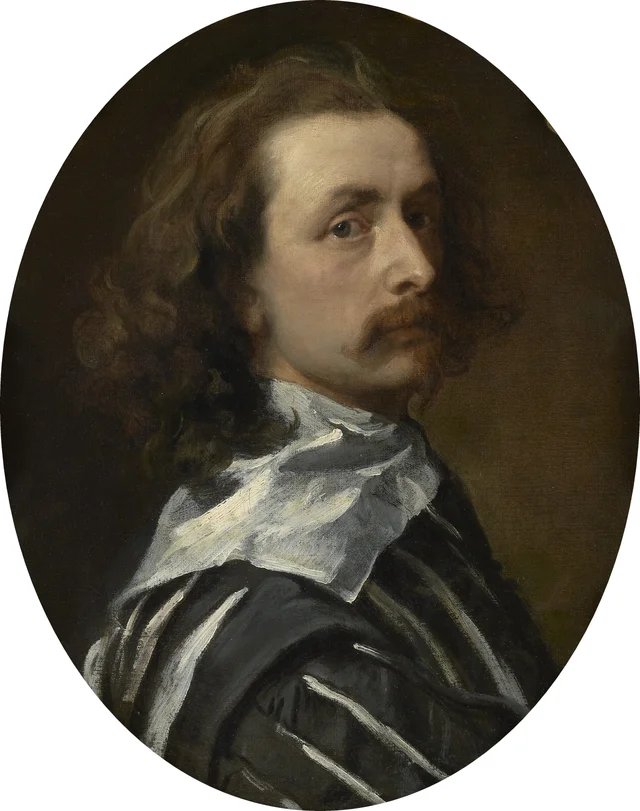 Self-portraitAnthony van Dyck, 1640
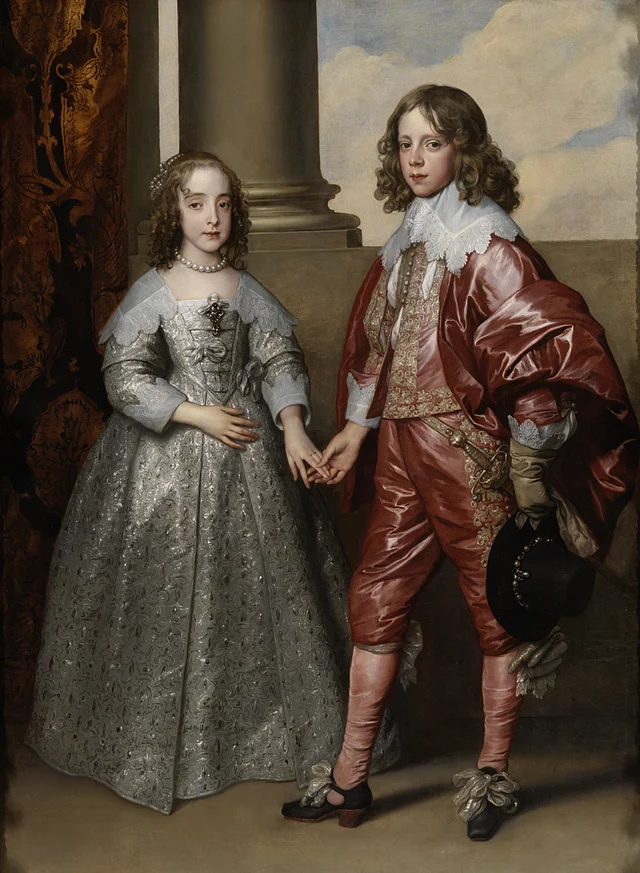 William II, Prince of Orange, and his Bride, Mary StuartAnthony van Dyck, 1641
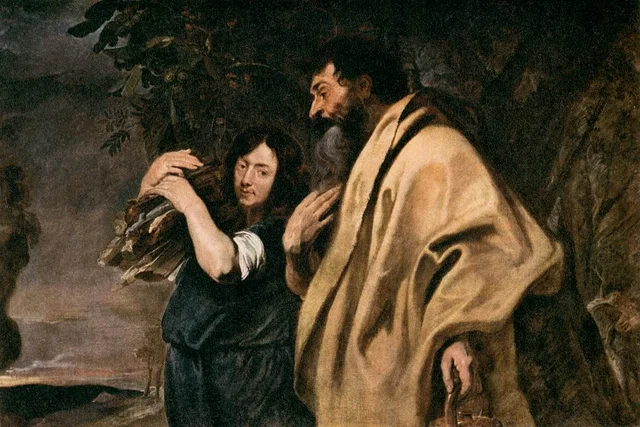 Abraham and IsaacAnthony van Dyck, 1619
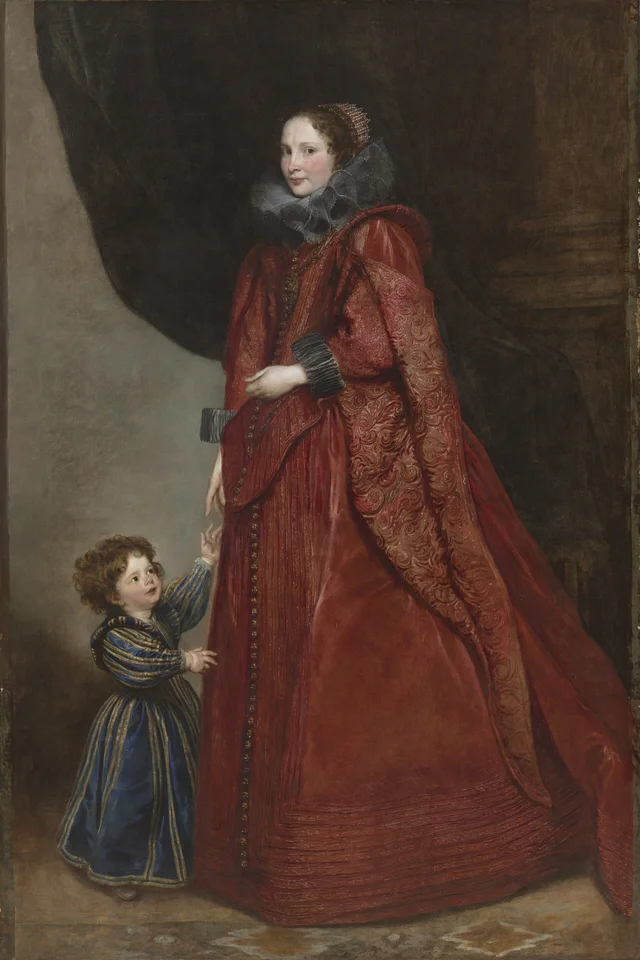 A Genoese Lady with Her ChildAnthony van Dyck, 1623
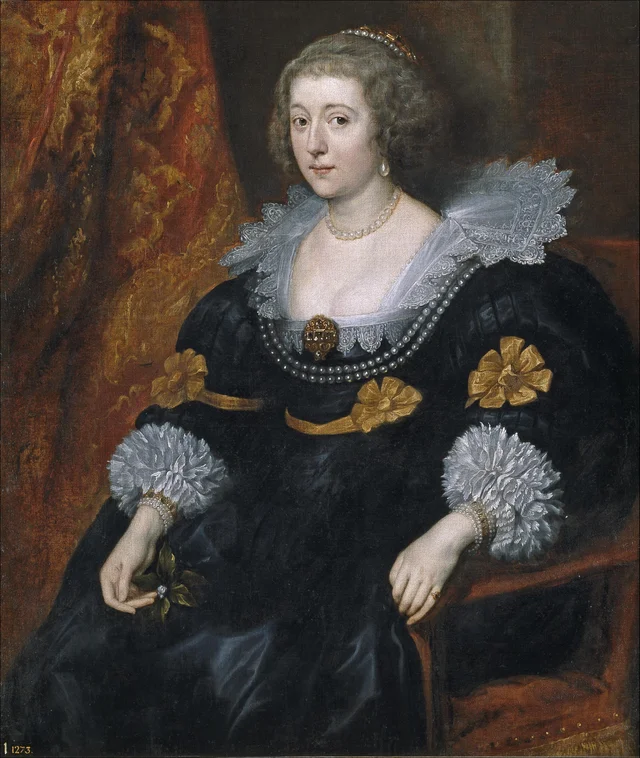 Amalia de Solms-BraunfelsAnthony van Dyck, 1631
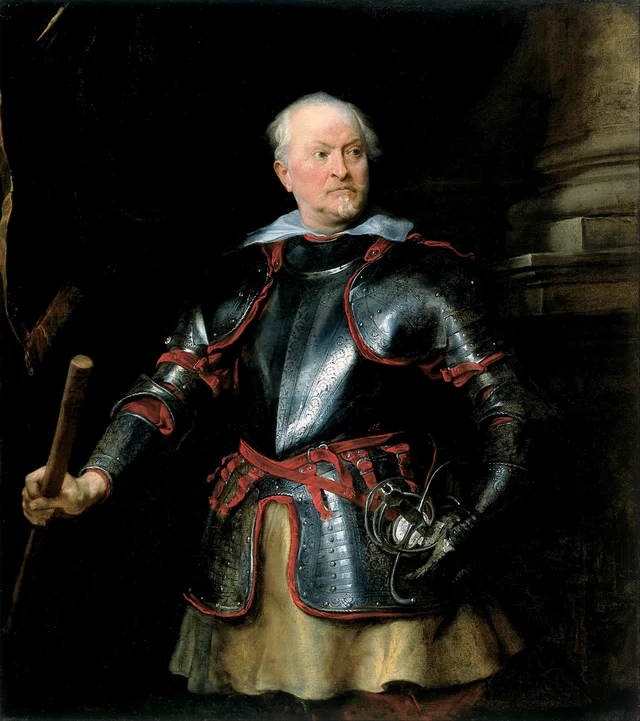 A Man in ArmorAnthony van Dyck, 1625