Antonio de Pereda
1611–1678 · Spain · Baroque
The story
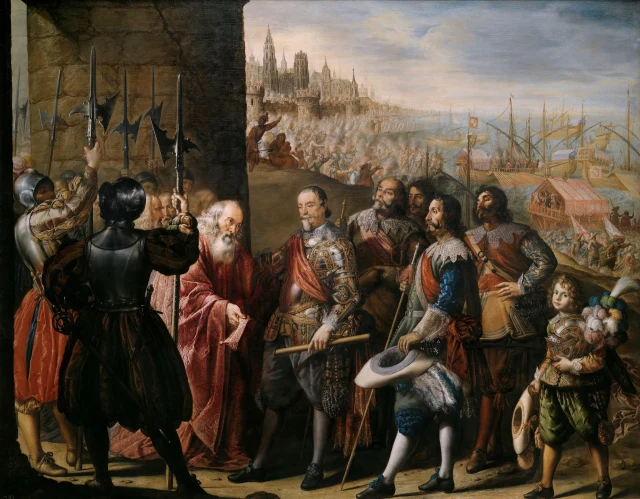
In 1635 Antonio de Pereda lost his place at the Spanish court. His protector, Giovanni Battista Crescenzi, a Roman nobleman who steered royal art commissions in Madrid, had just died, and without that backing the young painter was pushed out. Only a year earlier Pereda had been trusted with a large battle scene, the Relief of Genoa, for Philip IV's new Buen Retiro palace, where it hung in the same hall as Velázquez's Surrender of Breda. That was as near the top as he would come.
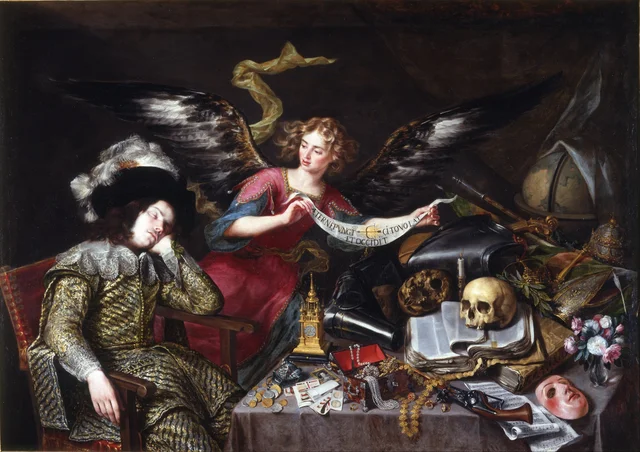
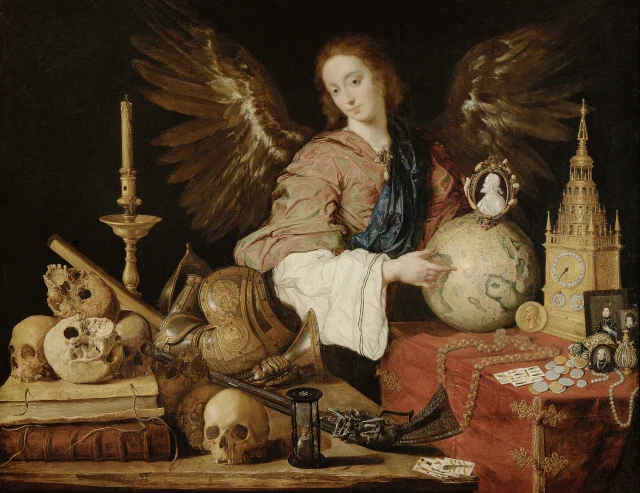
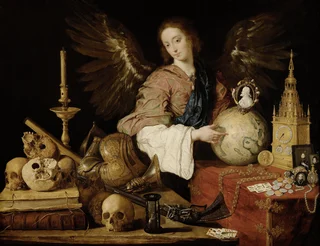
What he did next is why we still know him. Shut out of the palace, he took commissions from churches and convents and turned to a kind of picture Spain was only beginning to prize, the vanitas, a still life built to remind you that everything you own will rot. His Knight's Dream shows a well-dressed young man asleep in a chair while an angel holds up a banner over a spilled heap of the good life: coins, a crown, jewels, books, a skull, a guttering candle, armour, a mask.
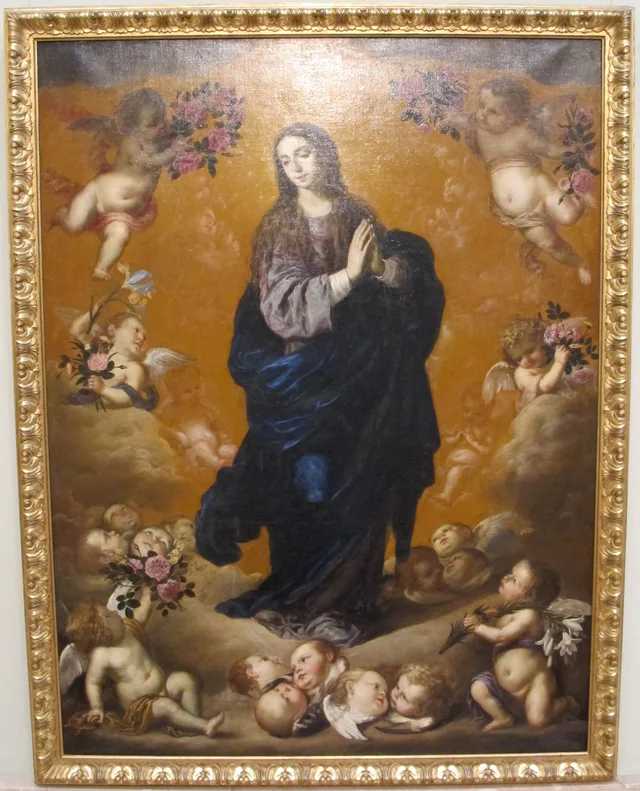
Every object is painted with real appetite, gleaming and almost touchable, and that is the trick, since the pleasures look most solid at the very moment you are told they are a dream. This moralizing still life fed straight into the work of Valdés Leal, the Sevillian painter who a generation later filled a Seville hospital chapel with images of death. Pereda went on working in Madrid until he died there in 1678, more steadily paid for saints and small still lifes than he had ever been at court.