Antonio Vivarini
1415–1480 · Republic of Venice · Early Renaissance, Late Gothic
The story
The Vivarini were glassmakers on Murano, the island in the Venetian lagoon famous for its furnaces, before one of them picked up a brush. Working from about 1440, Antonio Vivarini turned the family name into a painting dynasty that ran for three generations, through his brother Bartolomeo and later his son Alvise.
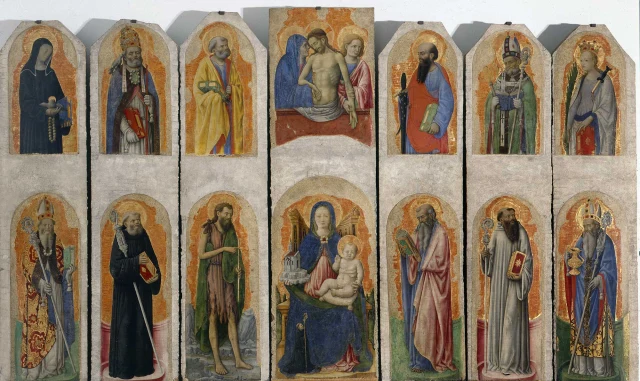
At first he rarely worked alone. For years he painted large gold-ground altarpieces together with his brother-in-law, a German settled in Italy and known there as Giovanni d'Alemagna, the two signing side by side until Giovanni died around 1450. Their saints stand stiff and richly gilded, still half in the Gothic world while Florence was inventing something else.
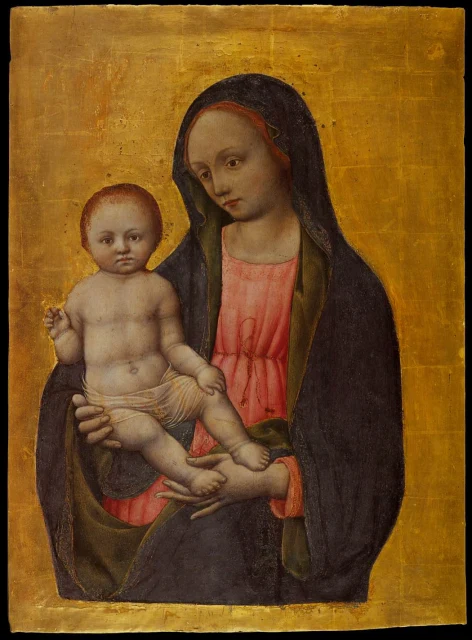
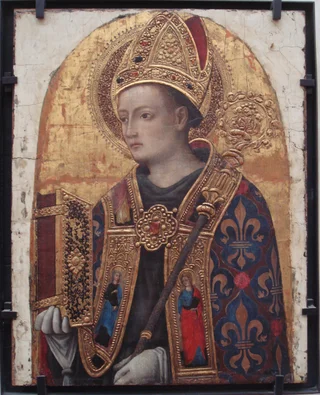
Antonio kept that older, decorative manner as younger Venetians moved on, and it was his son Alvise who would carry the family into the new Renaissance style. His dated works run from 1440 into the 1460s. A large altarpiece he signed with Giovanni d'Alemagna in 1446 still stands in the Accademia gallery in Venice.