Aristeas and Papias of Aphrodisias
Roman Empire
The story
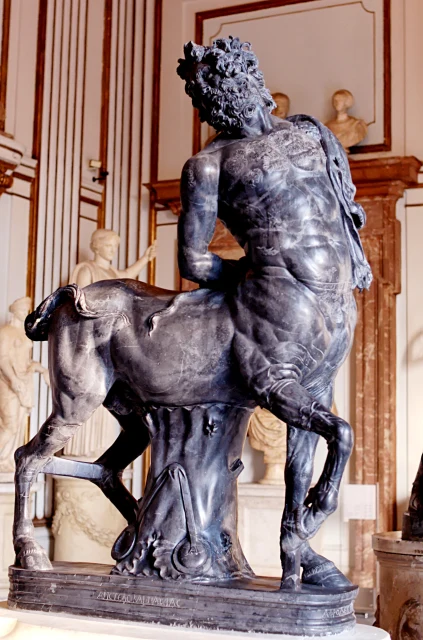
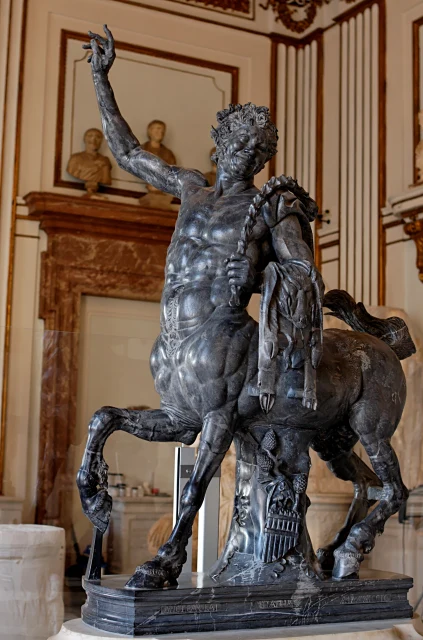
These two sculptors are known only from their signatures. Both centaurs found at Hadrian's Villa near Tivoli carry on the plinth the names Aristeas and Papias, with the name of their home city, Aphrodisias. Nothing else about their lives has come down to us, and how the two shared the work is not recorded.
Aphrodisias, in Caria in the south-west of present-day Turkey, lay close to quarries of fine marble and was known for a school of highly skilled carvers, many of them makers of copies and variants of famous Greek statues. Some moved to Rome in the last decades of the 1st century AD, where emperors and wealthy patrons offered steady, well-paid work. Long before the city itself was excavated, signed statues like these were what revealed the school. The names of two later Aphrodisians, Flavius Zeno and Flavius Andronicus, are cut on the plinths of statues found on the Esquiline hill in Rome. Most of the known works of the school, the centaurs included, date from the reign of Hadrian, emperor from 117 to 138.