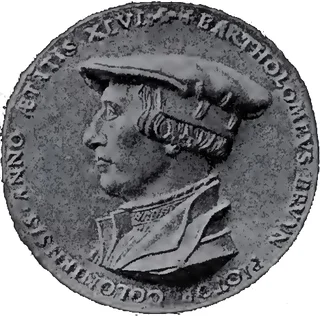
Bartholomaeus Bruyn the Elder
1493–1555 · Holy Roman Empire · German Renaissance
The story
In the first half of the 16th century Cologne, then one of the largest cities of the Holy Roman Empire, had no real tradition of portrait painting. Bartholomaeus Bruyn changed that. He began with altarpieces in the older Rhineland manner, then built a busy workshop turning out likenesses of the city's merchants and their wives.
His portraits follow a steady formula: the sitter at half length against a plain background, the face lit as the centre of attention, the costume and the hands rendered with crisp precision. Later in his career he picked up Italian ideas at second hand, through engravings after Raphael. Two of his sons carried on the trade, and the family kept Cologne supplied with portraits for the rest of the century.
Works
6 works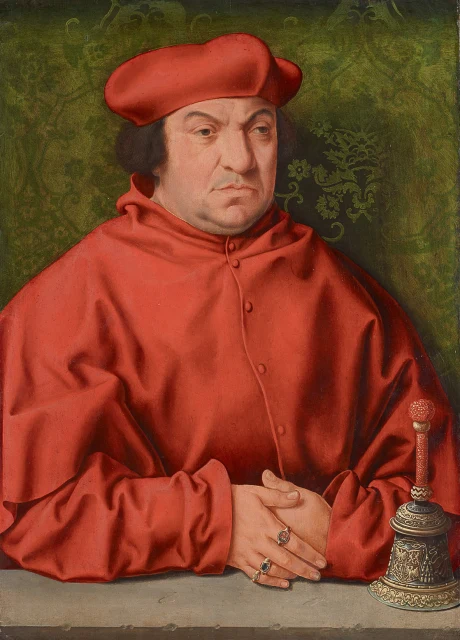 Cardinal Bernhard ClesiusBartholomaeus Bruyn the Elder, 1531
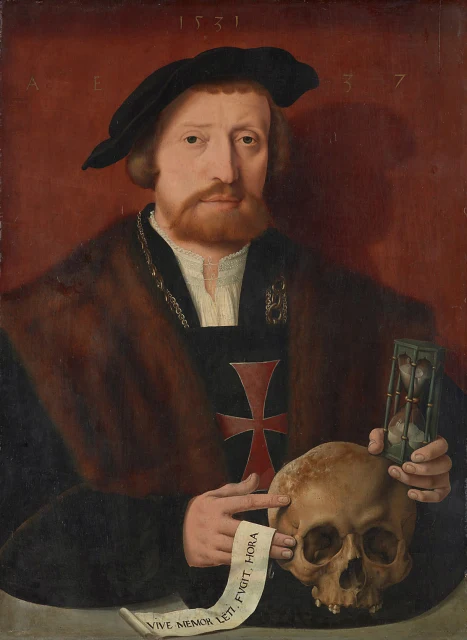 Portrait of a Knight of an OrderBartholomaeus Bruyn the Elder, 1531
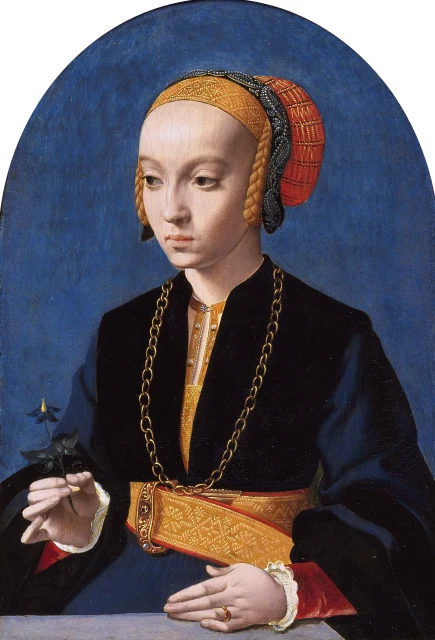 Portrait of Elisabeth BellinghausenBartholomaeus Bruyn the Elder, 1538
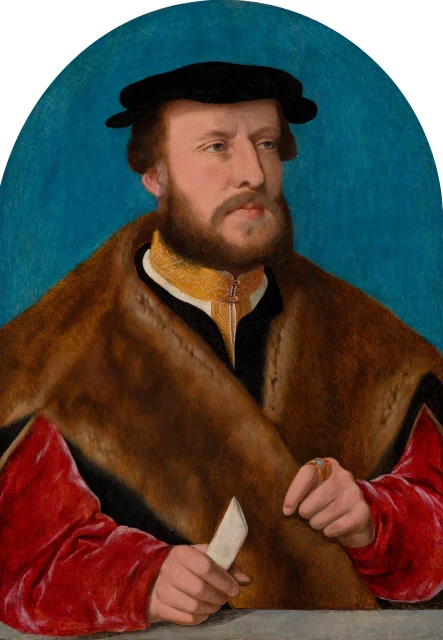 Portrait of Jakob OmphaliusBartholomaeus Bruyn the Elder, 1538
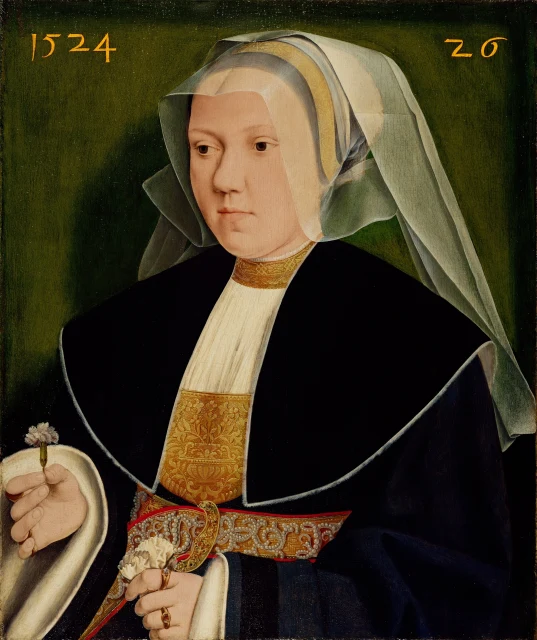 Portrait of Margaretha von Mochau, Wife of Gerhard von WesterburgBartholomaeus Bruyn the Elder, 1524
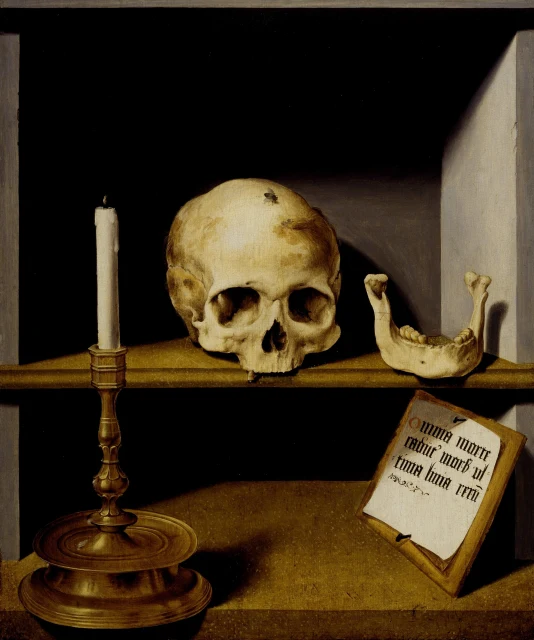 Vanitas Still-LifeBartholomaeus Bruyn the Elder, 1524