Bartholomäus Zeitblom
1460–1519 · Holy Roman Empire · Renaissance
The story
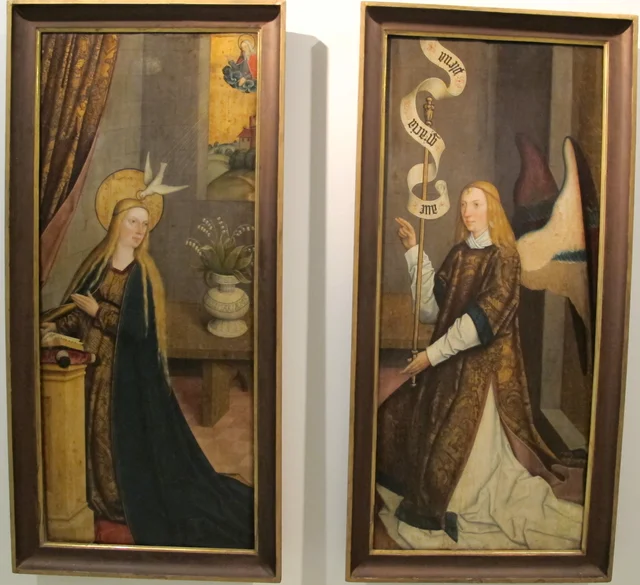
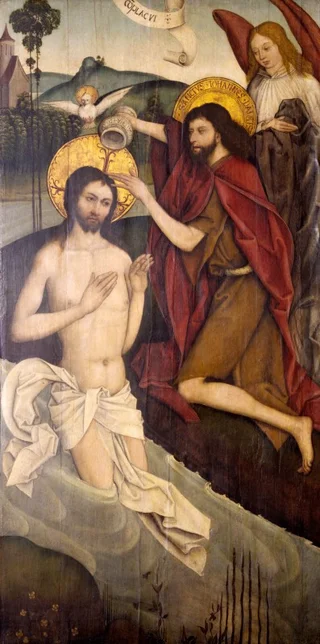
In the abbey church of Blaubeuren, a Benedictine monastery near Ulm, a great winged altarpiece finished in 1494 still stands in the choir it was made for. Its carved figures came from the sculptors Michel and Gregor Erhart, father and son. Its painted wings, with scenes of the Passion and the life of John the Baptist, were made in Ulm by a team of painters that included Bartholomäus Zeitblom and the young Bernhard Strigel, later a court painter to the emperor Maximilian.
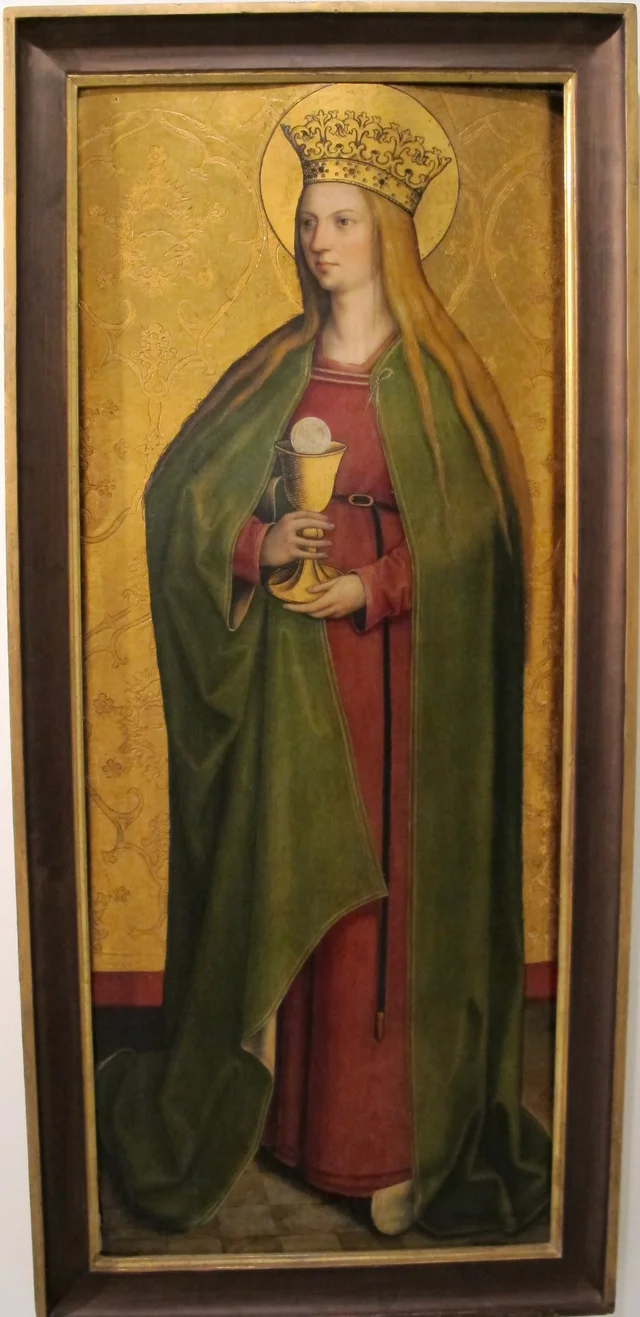
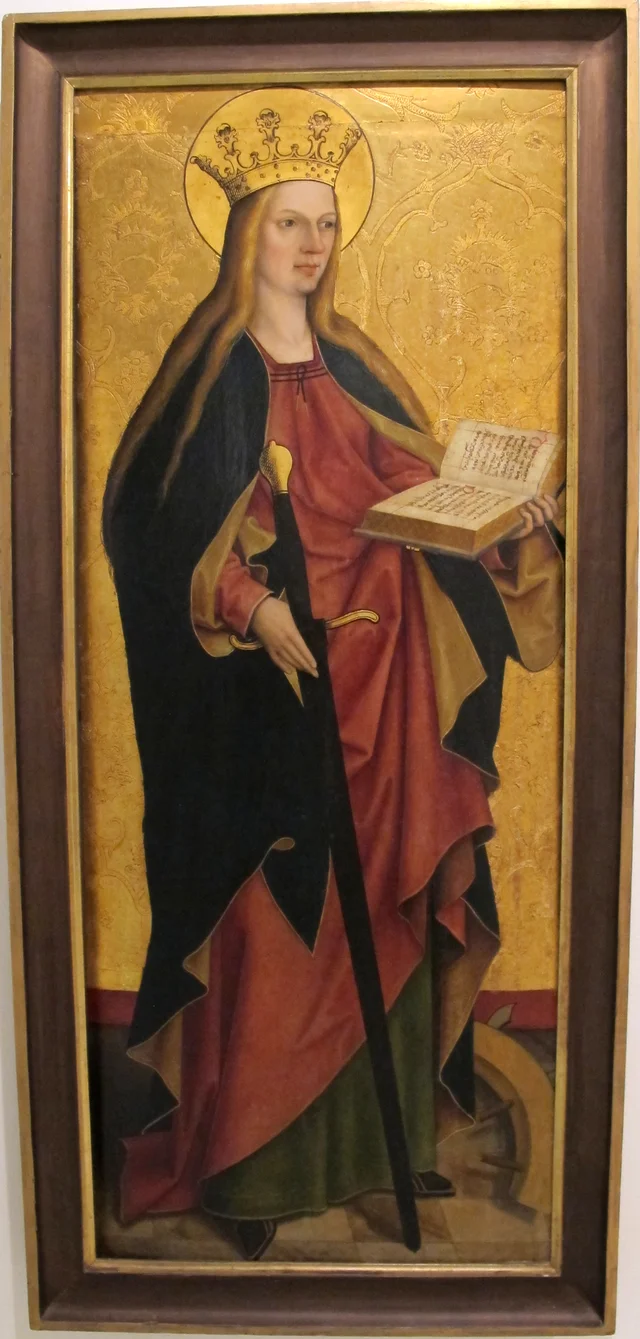
Ulm was then a wealthy free city of the Holy Roman Empire, and its workshops supplied altarpieces across Swabia, the region of south-west Germany. Zeitblom came from Nördlingen, another free imperial city to the north-east, and is recorded in Ulm from 1482. He married the daughter of the painter Hans Schüchlin, his teacher, and took over his father-in-law's workshop. His saints stand calm and upright, in clear, cool colours, with little drama. His altarpiece for the village church of Heerberg, dated 1497, is now in the Staatsgalerie in Stuttgart. The last record of him in Ulm dates from 1518, and he probably died around 1520.