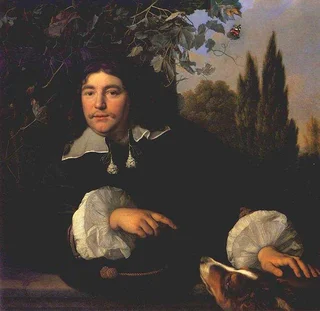
Bartholomeus van der Helst
1613–1670 · Dutch Republic · Dutch Golden Age painting
The story
By the 1640s Amsterdam's most sought-after portrait painter was Bartholomeus van der Helst, an innkeeper's son from Haarlem, and the man he had overtaken was Rembrandt. Van der Helst's smooth, flattering, beautifully dressed likenesses suited the city's rich merchants far better than Rembrandt's darker, more searching faces, and Rembrandt's own gifted pupils, Ferdinand Bol and Govert Flinck, quietly dropped their master's manner to paint in van der Helst's instead.
His great showpiece came in 1648. To mark the Peace of Münster, the treaty that ended 80 years of war with Spain and made Dutch independence official, he painted the militiamen of an Amsterdam civic guard company at their celebration banquet. It is a wide, bright, sociable canvas, every guardsman clearly recognisable, shaking hands and raising a drinking horn, and it hangs today in the Rijksmuseum a few rooms from Rembrandt's "Night Watch".
That banquet piece sealed his reputation for centuries. For a long stretch after his death, travellers to Amsterdam were told to see the van der Helst first and Rembrandt second.
Works
8 works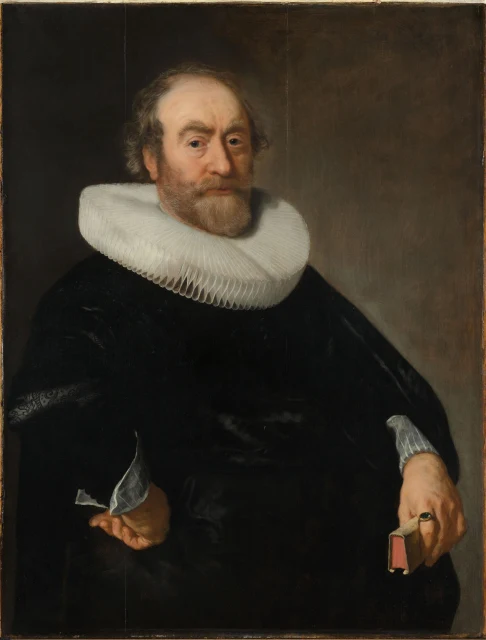 Andries Bicker (1586-1652). Trader with Russia and Burgomaster of AmsterdamBartholomeus van der Helst, 1642
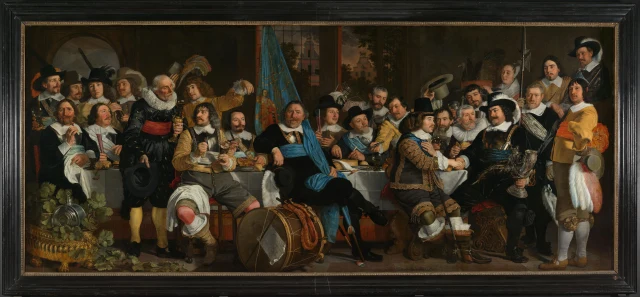 Banquet at the Crossbowmen’s Guild in Celebration of the Treaty of MünsterBartholomeus van der Helst, 1648
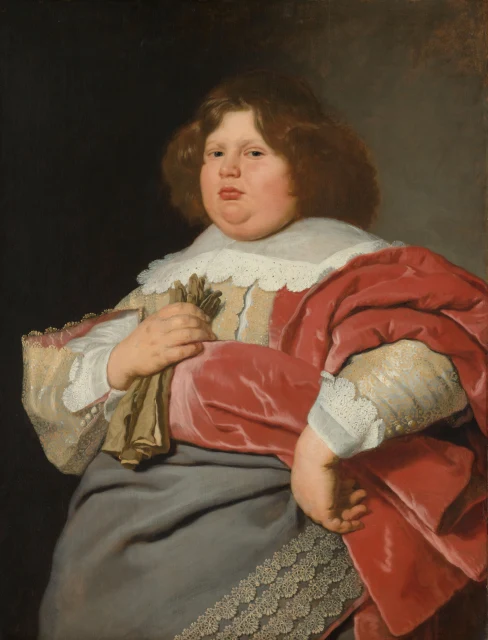 Gerard Andriesz Bicker (1622-66), Lord of Engelenburg. High Bailiff of MuidenBartholomeus van der Helst, 1642
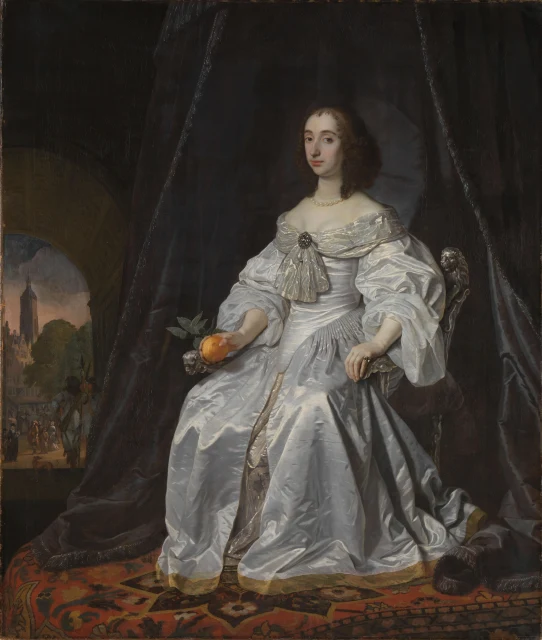 Mary Stuart, Princess of Orange, as Widow of William IIBartholomeus van der Helst, 1652
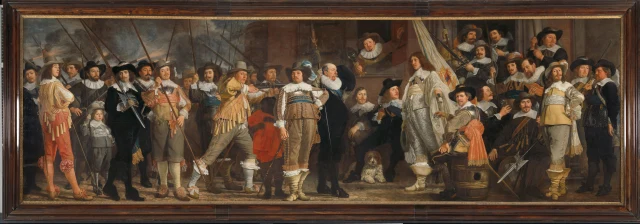 Militia Company of District VIII in Amsterdam under the Command of Captain Roelof BickerBartholomeus van der Helst, 1641
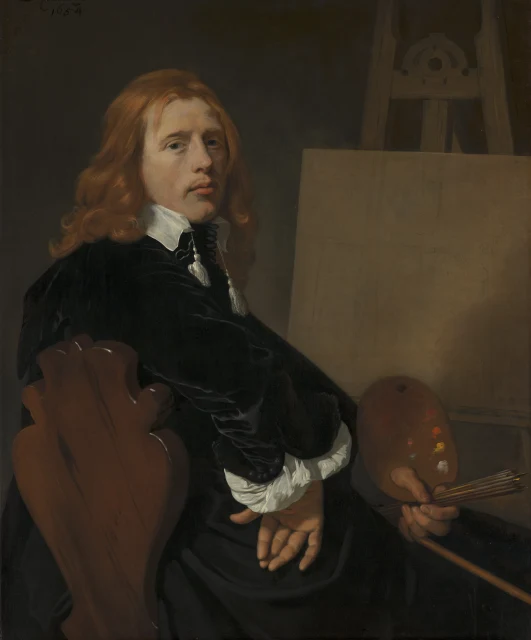 Portrait of Paulus Potter (1625-1654)Bartholomeus van der Helst, 1654
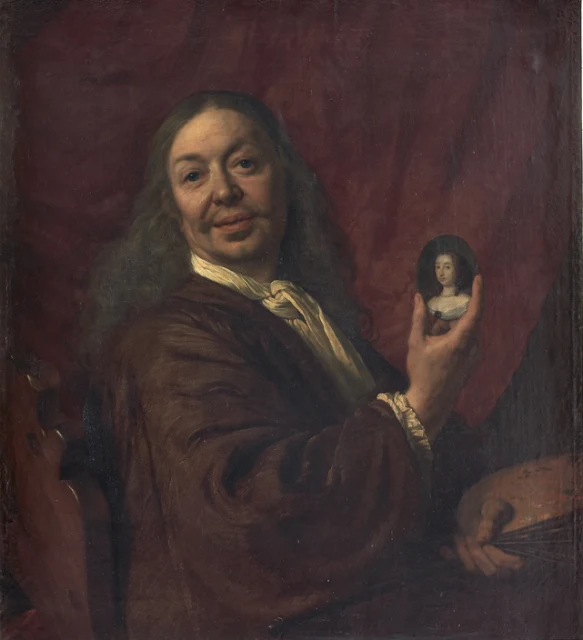 Self-portraitBartholomeus van der Helst, 1667
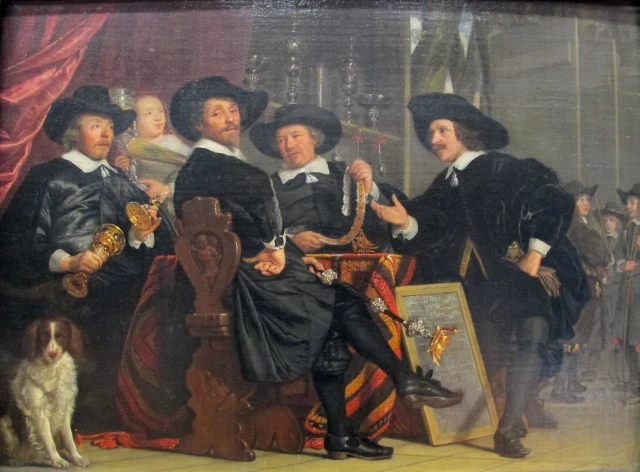 The Governors of the Archers' Civic Guard of Amsterdam (Guild of Saint Sebastian)Bartholomeus van der Helst, 1653