Bartolomeo della Gatta
1448–1502 · Republic of Florence · Renaissance, Italian Renaissance
The story
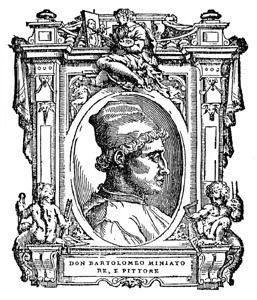
When the walls of the Sistine Chapel were being frescoed around 1481, years before Michelangelo touched the ceiling, one of the hands at work belonged to a Camaldolese monk. He had been born in Florence as Pietro di Antonio Dei, the son of a goldsmith, and took the name Bartolomeo when he entered the order in 1468. Today we know him as Bartolomeo della Gatta.
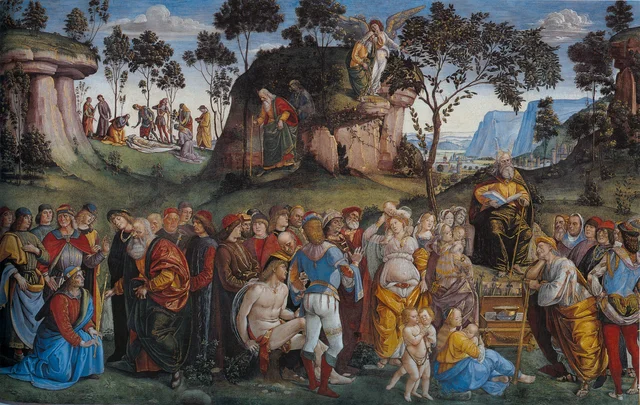
Life in a monastery did not keep him from the trade. He had learned it in the crowded Florentine world around Andrea del Verrocchio's workshop, among rising painters like Perugino and Luca Signorelli, and he worked as painter, manuscript illuminator, architect and organist all at once. In Rome he painted beside Signorelli on the chapel walls, and the two worked so closely that scholars still argue over which figures belong to which man.
Back in Tuscany he rose to become abbot of the abbey of San Clemente in Arezzo, where he was buried in 1502. One of his surviving panels shows Saint Roch, the pilgrim invoked against plague, kneeling before God to beg that an outbreak be lifted from Arezzo, the city Bartolomeo served.