Bartolomeo Manfredi
1582–1622 · Duchy of Mantua · Caravaggism, Baroque
The story
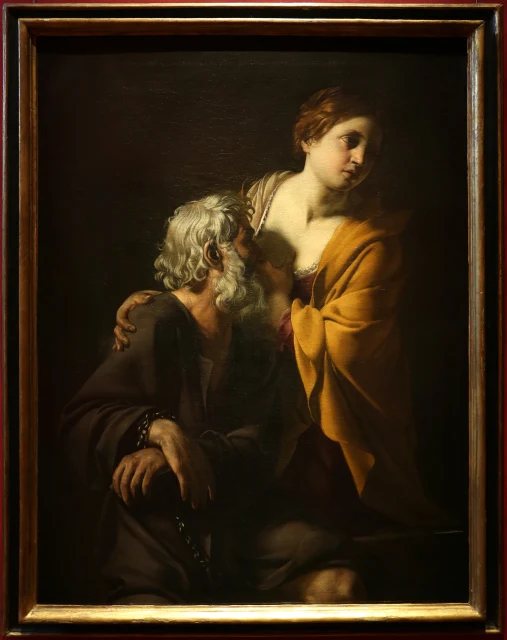
Not one signed painting by Bartolomeo Manfredi is known to survive, and for centuries several of his canvases hung under Caravaggio's name. Yet among the young painters who poured into Rome around 1610, chasing the shock of Caravaggio's raw naturalism, it was Manfredi they actually copied. He had come south from near Cremona in Lombardy, and he may have known Caravaggio himself before the older man fled the city in 1606.
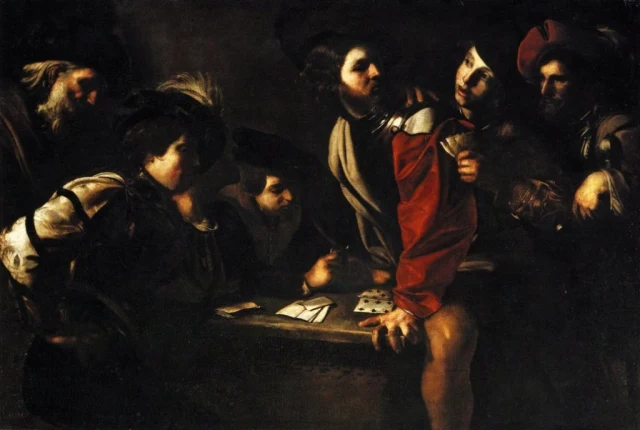
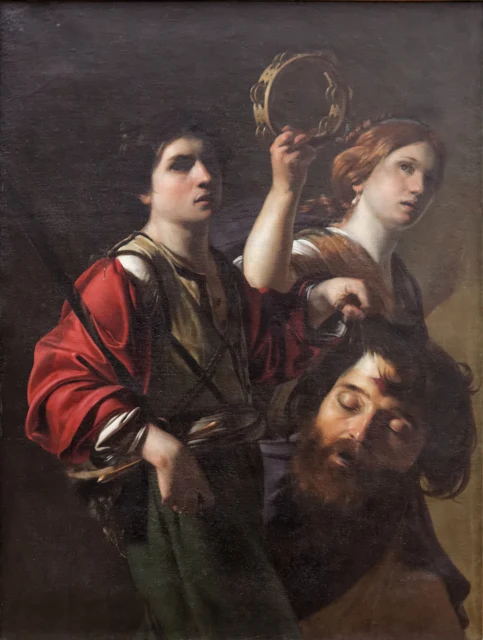
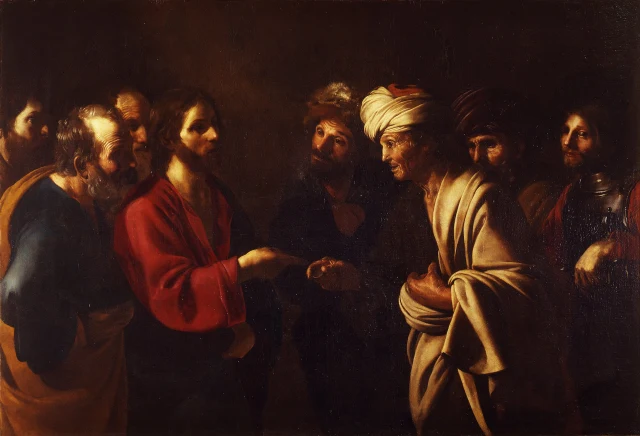
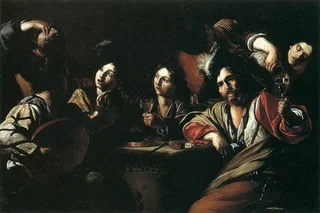
What Manfredi did was turn a wild style into something a student could learn. Later writers called it the Manfrediana Methodus, the Manfredi method. Half-length figures pushed close to the front, a single hard light raking across them, and everyday subjects in place of saints. He filled his scenes with cardplayers, fortune-tellers and drinking soldiers in guardrooms, the low life of the streets. Caravaggio had painted a handful of such pictures. Manfredi made them a whole genre.
Through him the manner travelled north. Frenchmen like Valentin de Boulogne, and Dutch and Flemish visitors, picked it up in his workshop and carried it back over the Alps. About 40 works are given to him today, most reconstructed by matching hands rather than by documents. He died in Rome in 1622, only about 40 years old.