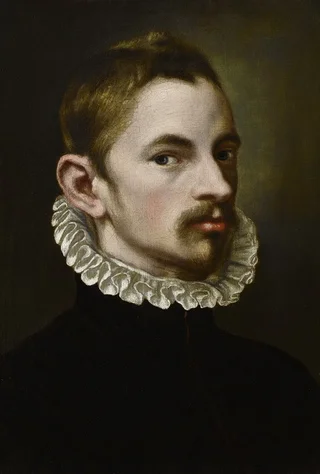
Bartolomeo Passarotti
1529–1592 · Papal States · Mannerism
The story
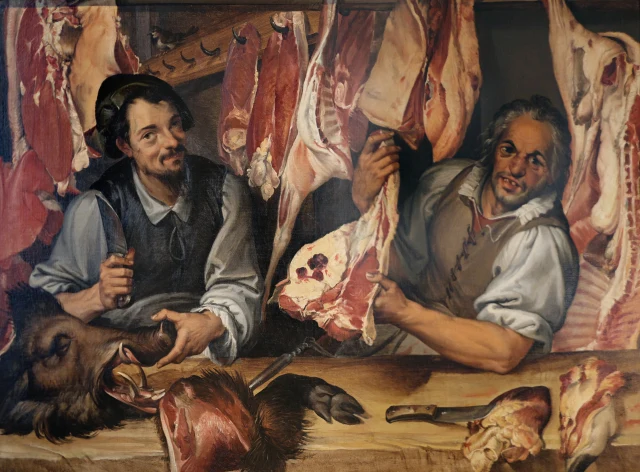
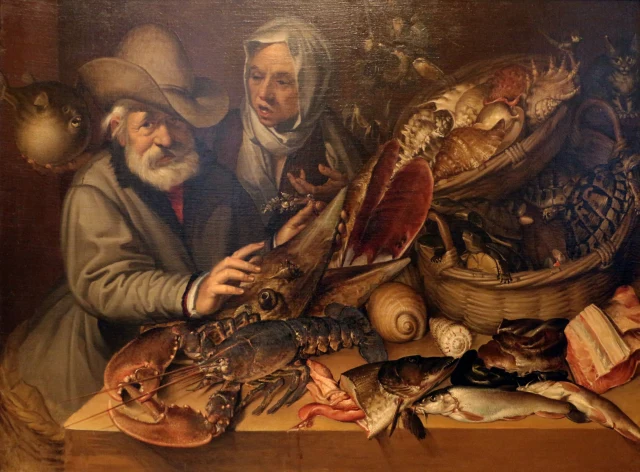
Sometime in the 1570s a well-established Bologna portraitist began painting butchers' shops: slabs of meat, plucked poultry, and grinning workmen crowding the front of the canvas. For Italian art this was close to new. Bartolomeo Passarotti had picked up the idea from Netherlandish market pictures, and he painted these scenes with a blunt, close-up relish that had little to do with the elegant Mannerism around him.
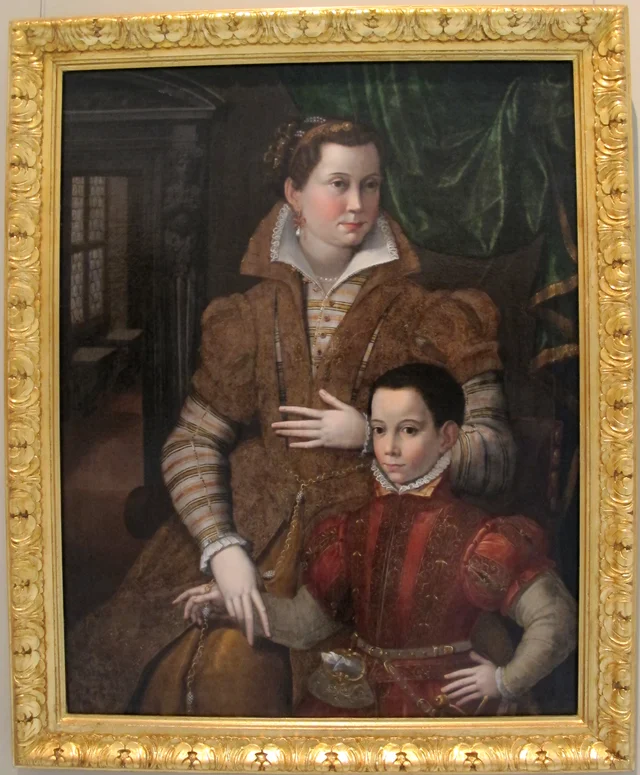
Passarotti had trained in Rome under the architect Vignola and the painter Taddeo Zuccari, then come home to Bologna and built one of the busiest studios in the city, turning out altarpieces and sharp, dignified portraits, including cardinals and Pope Gregory XIII.
The lasting mark, though, was on the young men next door. Agostino Carracci studied with him, and his brother Annibale looked hard at Passarotti's meat stalls before painting his own Butcher's Shop, a picture once given to Passarotti himself. Through that workshop the plain observation Passarotti liked passed straight into the Carracci, the Bolognese painters who opened the Baroque.