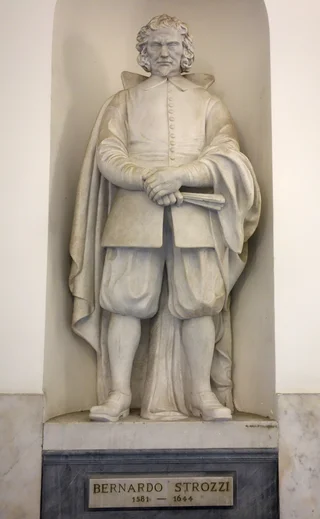
Bernardo Strozzi
1644 · Republic of Genoa · Baroque, Venetian painting
The story
At 17 Bernardo Strozzi took vows as a Capuchin friar in Genoa, and the name stuck for life: everyone called him il Cappuccino, the Capuchin. Then, around 1608, his father died, and Strozzi won permission to leave the cloister to support his widowed mother and unmarried sister, earning their keep with his brush.
That brush was extraordinary. He worked with thick, loaded strokes and warm, glowing color, giving cooks and old women and saints alike the same earthy solidity. When his mother died and the order pressed him to return to monastic life, he refused, and around 1631 slipped away to Venice. The city had lost its great colorists and took him in, and there he became one of the founders of the Venetian Baroque, feeding the tradition of Titian and Veronese into a new century.
He kept the priest's title il prete genovese, the Genoese priest, and died in Venice in 1644, having never returned to Genoa.
Works
8 works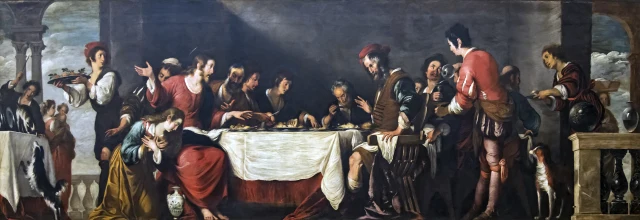 Banquet at the House of SimonBernardo Strozzi, 1630
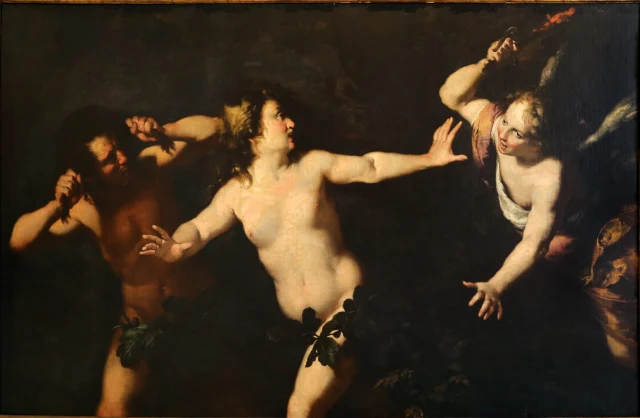 Expulsion from EdenBernardo Strozzi
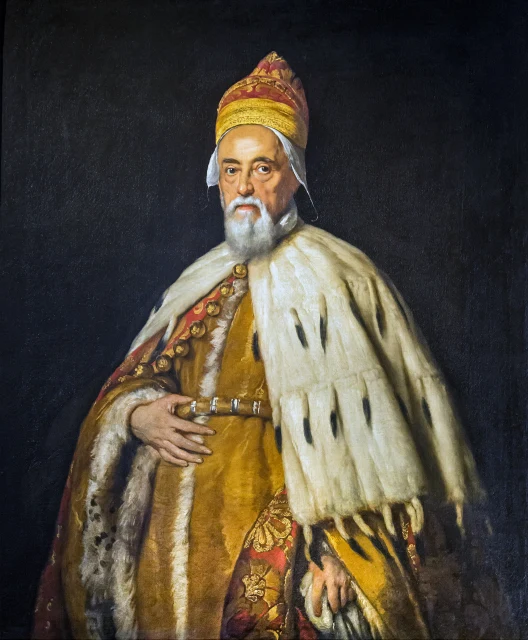 Portrait of Doge Francesco ErizzoBernardo Strozzi
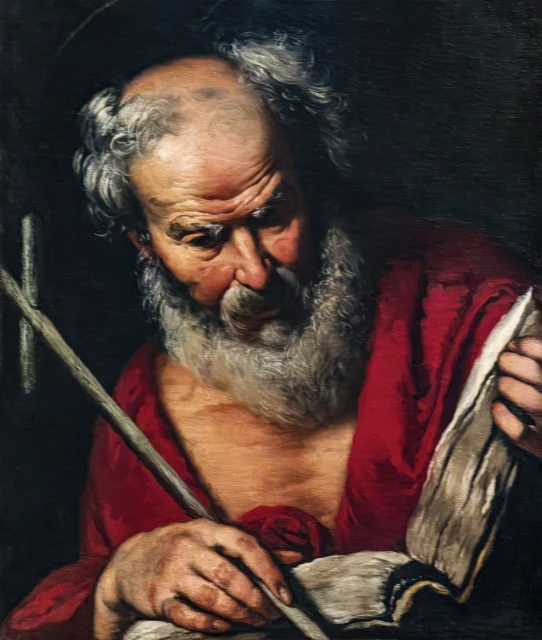 St. JeromeBernardo Strozzi, 1640
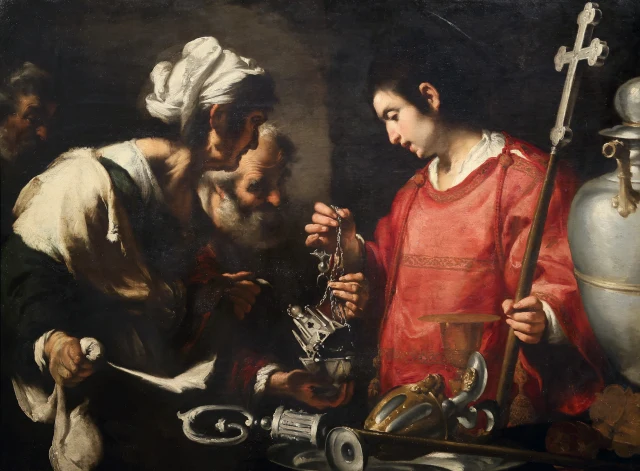 The Charity of Saint LawrenceBernardo Strozzi, 1617
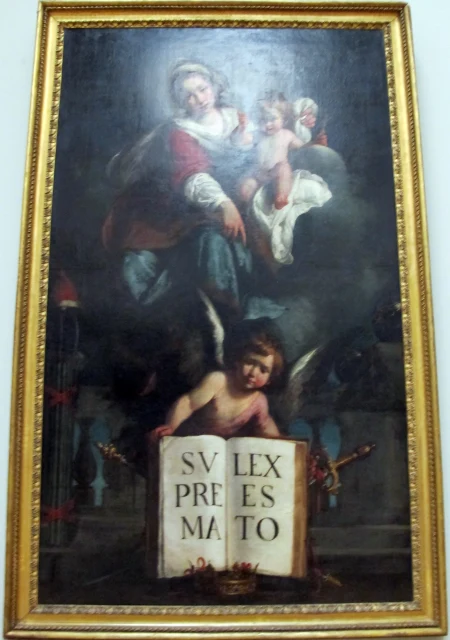 The Madonna of JusticeBernardo Strozzi, 1612
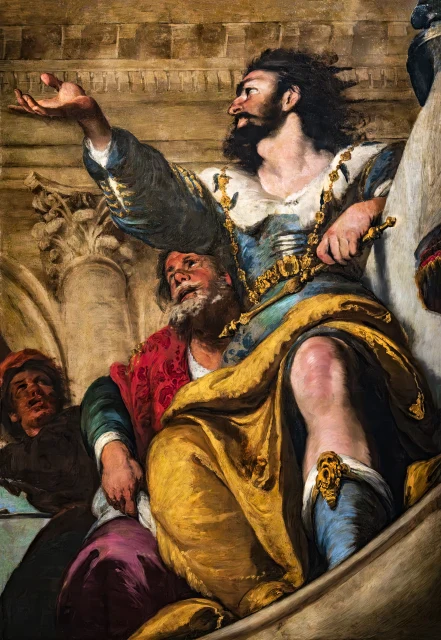 The Parable of the Wedding BanquetBernardo Strozzi, 1636
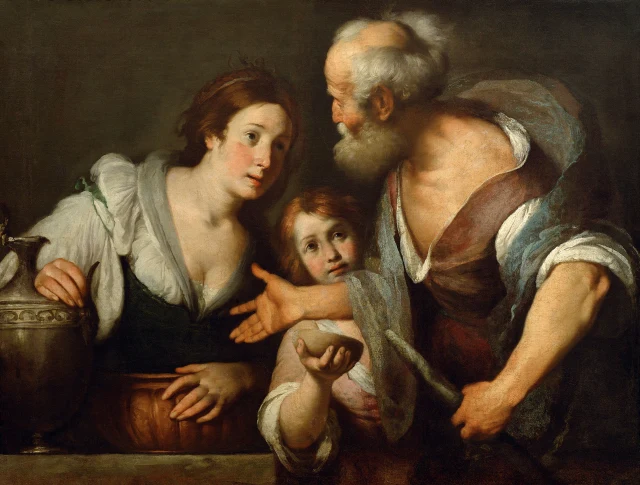 The Prophet Elijah and the Widow of ZarephathBernardo Strozzi, 1642