Caesar van Everdingen
1678 · Dutch Republic · Dutch Golden Age, Baroque
The story
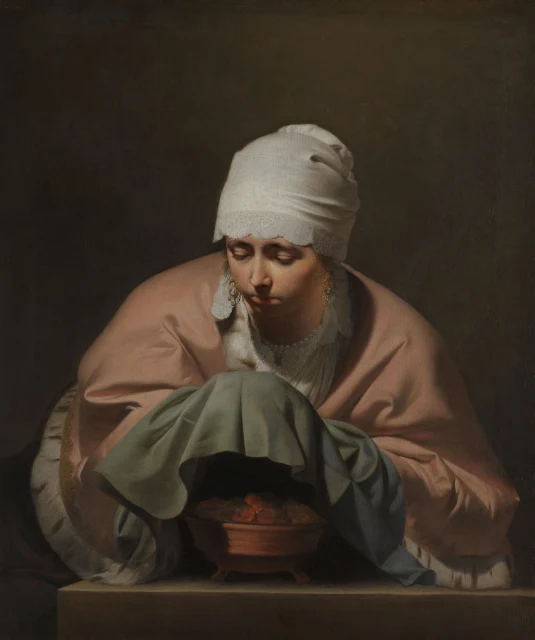
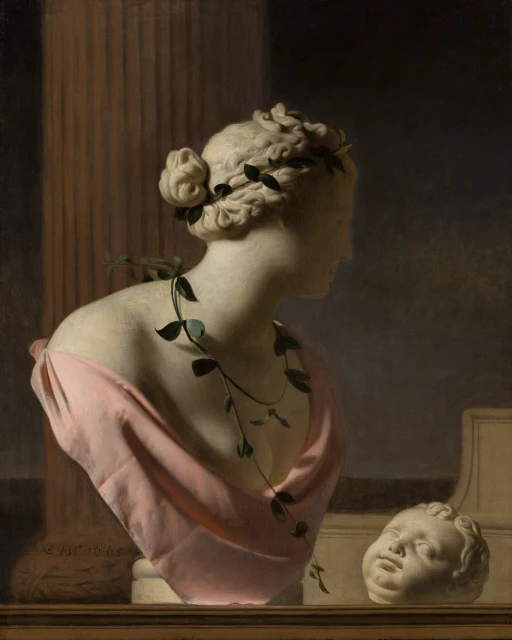
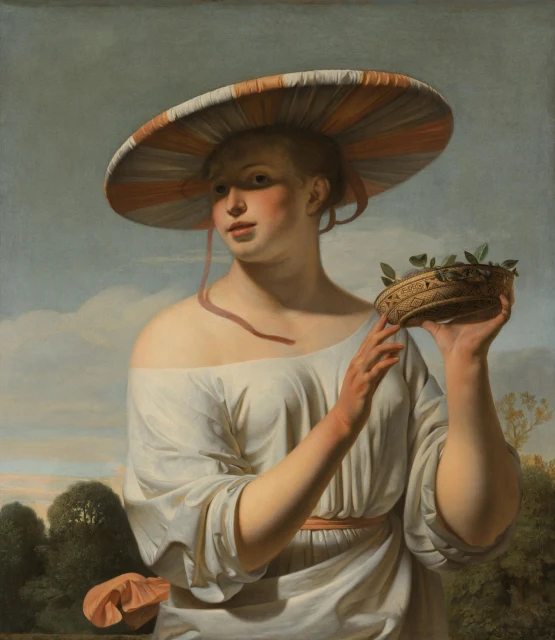
When the widow of the Dutch stadtholder Frederick Henry decided to turn a hall of her new palace outside The Hague into a painted monument to her late husband, she gathered the best history painters of the day, and one of them was Caesar van Everdingen. For the Oranjezaal, the Orange Hall of the Huis ten Bosch, he painted large allegories including The Four Muses with Pegasus, working alongside Flemish and Dutch masters on a single grand scheme around 1650.
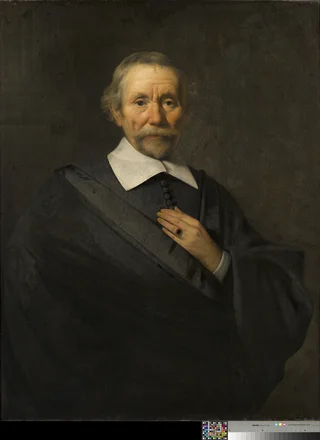
Everdingen came from Alkmaar, a town in the north of Holland, and had learned his trade in Utrecht. His manner was cool, smooth and classical, with clear light and carefully finished skin, closer to Italian ideals than to the loose brushwork of many contemporaries, which is why he is often called the leading figure of Dutch classicism.
In 1658 he went back to Alkmaar and opened a workshop there; the register of the town's Guild of St Luke records him taking on pupils in the years that followed.