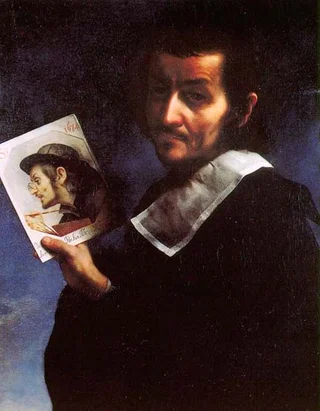
Carlo Dolci
1616–1686 · Grand Duchy of Tuscany · Baroque
The story
In 17th-century Florence, while the Medici court filled its galleries with grand mythologies, Carlo Dolci painted almost nothing but prayer. He worked so slowly that his biographer Baldinucci said he could spend weeks on a single foot, and claimed the painter murmured 'ora pro nobis' — pray for us — between brushstrokes.
The results are small, close-up devotional pictures: a half-length Virgin, a saint, a Christ, lit against deep shadow and finished to an almost enamel smoothness. He repeated his best compositions many times, and his daughter Agnese made copies too, so the same tender face turns up in collections across Europe.
Dolci was a favourite of the Medici, the banking family who ruled Tuscany, and the leading Florentine painter of his century, though the fashion for that intense, polished piety faded after him. He was said to fall into deep melancholy when he saw how quickly younger, looser painters worked. One of his signed self-portraits, made in 1674, shows him holding a drawing of his own aged face, a picture within the picture.
Works
11 works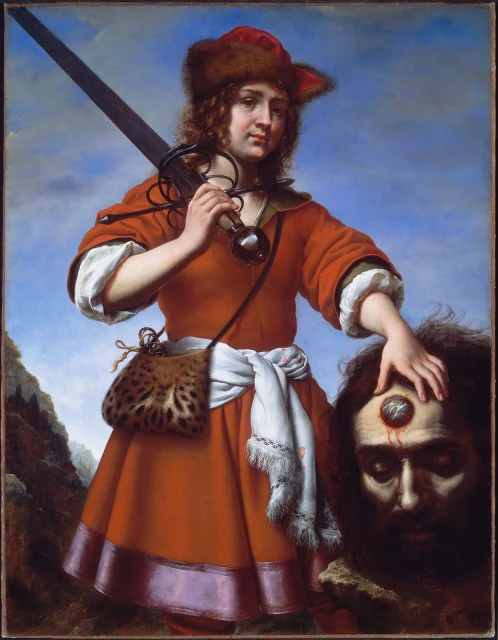 David with the Head of GoliathCarlo Dolci, 1680
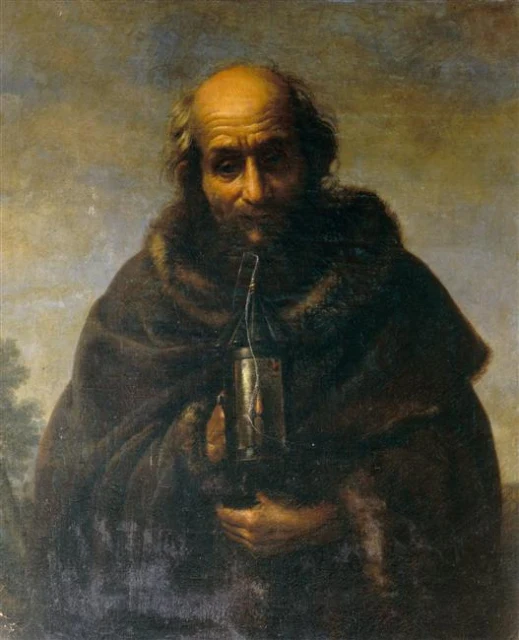 DiogenesCarlo Dolci, 1650
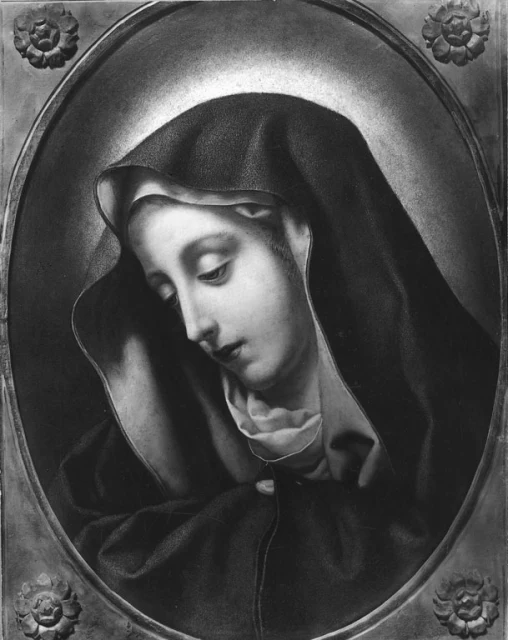 Madonna del DitoCarlo Dolci, 1678
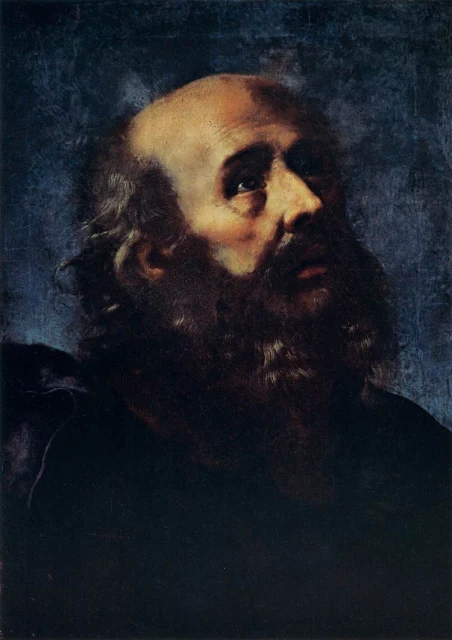 MosesCarlo Dolci, 1650
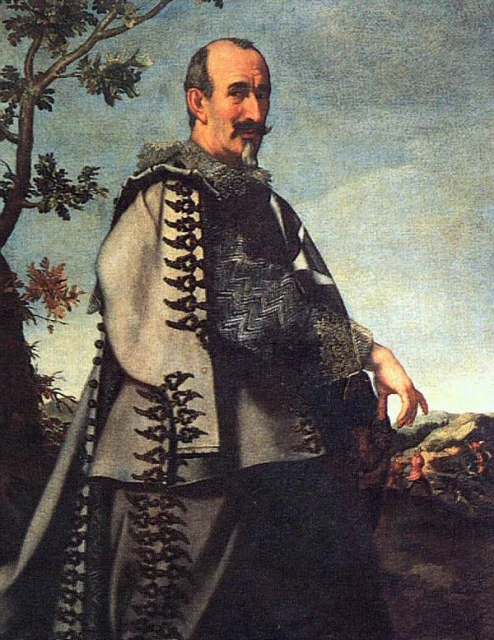 Portrait of Ainolfo de' BardiCarlo Dolci, 1632
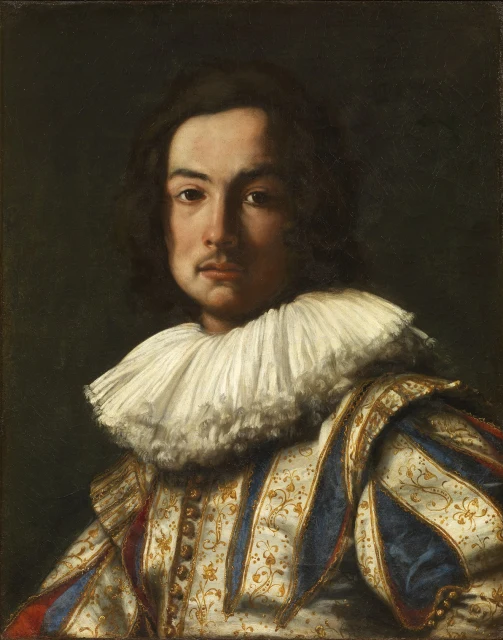 Portrait of Stefano della BellaCarlo Dolci, 1631
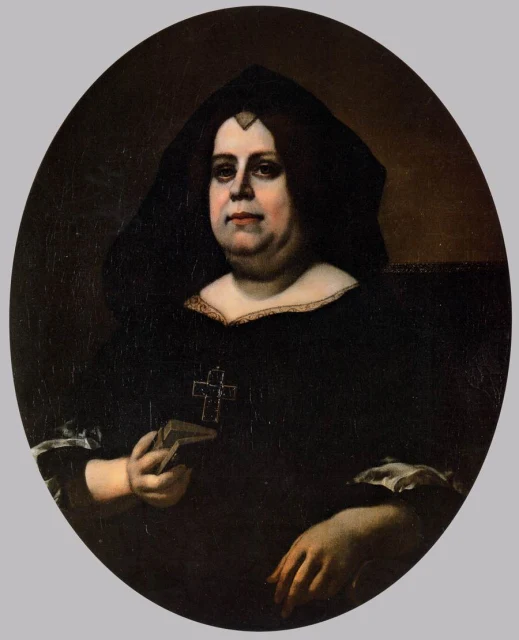 Portrait of the Grand Duchess Vittoria della RovereCarlo Dolci, 1675
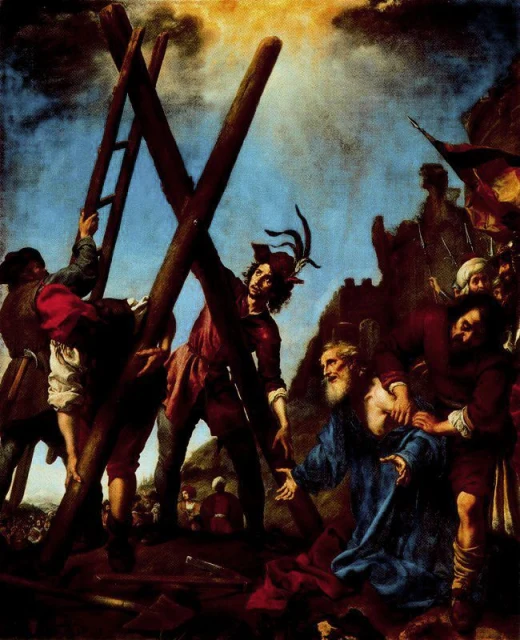 The Martyrdom of Saint AndrewCarlo Dolci, 1646
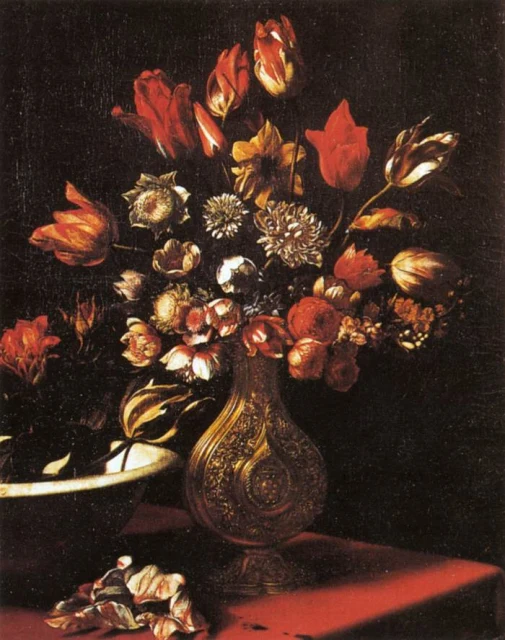 Vase of flowers and a basinCarlo Dolci, 1662