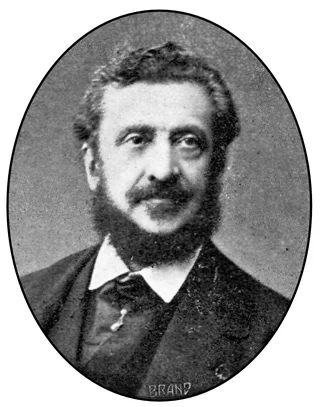
Carol Szathmari
1812–1887 · Austrian Empire, Hungary, Principality of Wallachia · Realism, Romanticism, Documentary photography
The story
In 1853, as Russian and Ottoman armies faced each other on the Danube at the start of the Crimean War, a Bucharest painter loaded a wagon fitted out as a darkroom and drove to the front. Carol Szathmari photographed soldiers, equipment and commanders on both sides, and he is often counted among the first photographers of war. Two years later he took the pictures west. Queen Victoria received an album and gave him a gold medal, Napoleon III looked through his photographs in a private meeting, and the Paris Exposition of 1855 awarded him a medal.
Szathmari was born in Cluj, in Transylvania, and lived in Bucharest from the age of 18. He painted portraits for Wallachian boyars, the local landed nobility, and made lithographs and watercolours of costumes and military scenes. In 1863 Prince Alexandru Ioan Cuza, ruler of the newly united Romanian principalities, made him court painter and photographer, and Carol I, prince from 1866, kept him in the post.
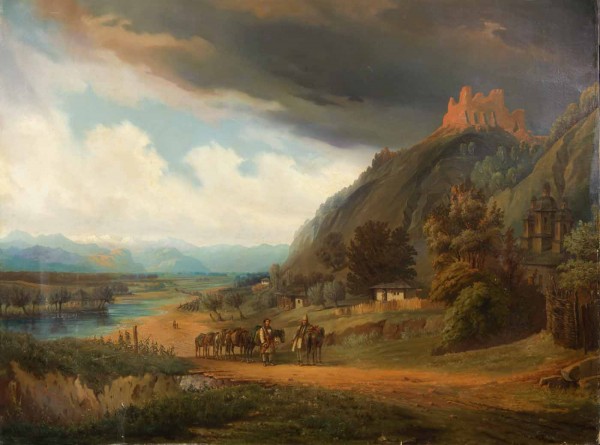
That role sent him along on the new prince's journeys across the country. His painting of Carol I's 1868 visit to Neamț Monastery and Fortress, in the hills of Moldavia, comes from that work as an official chronicler and is now in the National Museum of Art of Romania in Bucharest.