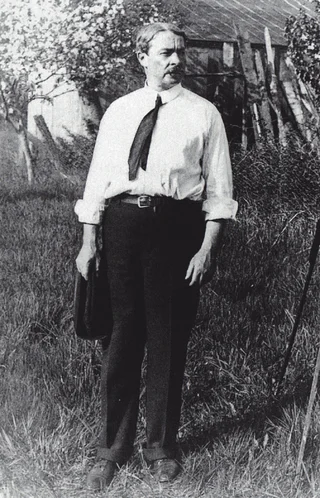
Childe Hassam
1859–1935 · United States · Impressionism
The story
In the autumn of 1916, with the First World War raging in Europe and America not yet in it, New York started hanging flags. Fifth Avenue filled with them for one patriotic parade after another, and Childe Hassam, already the best-known Impressionist painter in the country, began climbing to upper-floor windows to paint the avenue as a river of banners. Over about three years he made some 30 of these flag pictures. The most famous, Allies Day, May 1917, shows the Stars and Stripes flying beside the British and French colours after the United States finally joined the war.
Hassam had spent decades learning to catch exactly this kind of shimmering, broken light. Almost every summer for close to 30 years he sailed out to Appledore, a rocky island off the New England coast, where the poet Celia Thaxter kept a famous seaside garden and a salon of writers and musicians. His paintings of her flowers against the blue Atlantic are among his most loved works.
Late in life he grew hostile to the modern art arriving from Europe and argued for a purely American painting. He left the several hundred works still in his studio to the American Academy of Arts and Letters, with instructions to sell them and fund prizes for younger artists.
Works
25 works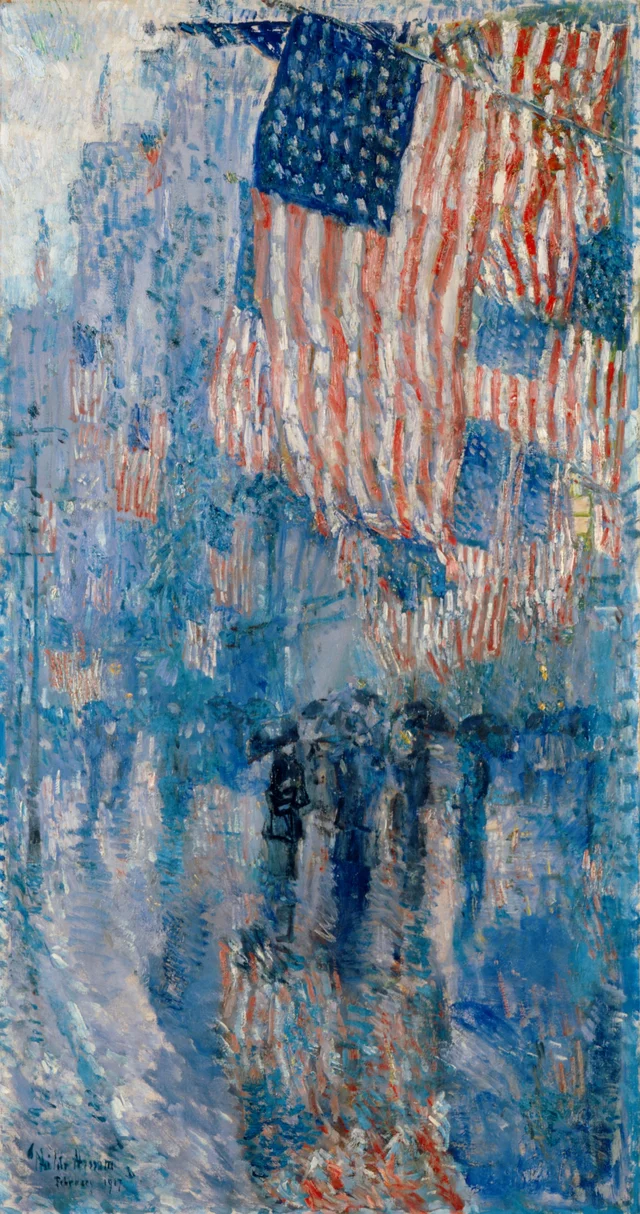 The Avenue in the RainChilde Hassam, 1917
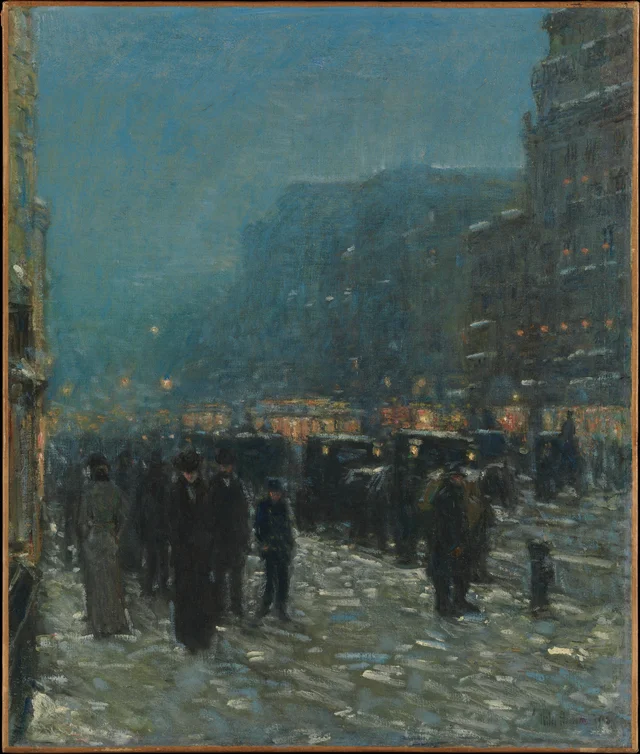 Broadway and 42nd StreetChilde Hassam, 1902
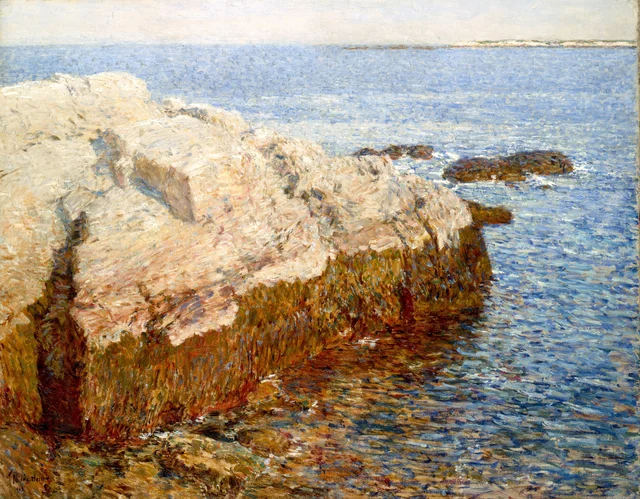 Cliff Rock--AppledoreChilde Hassam, 1903
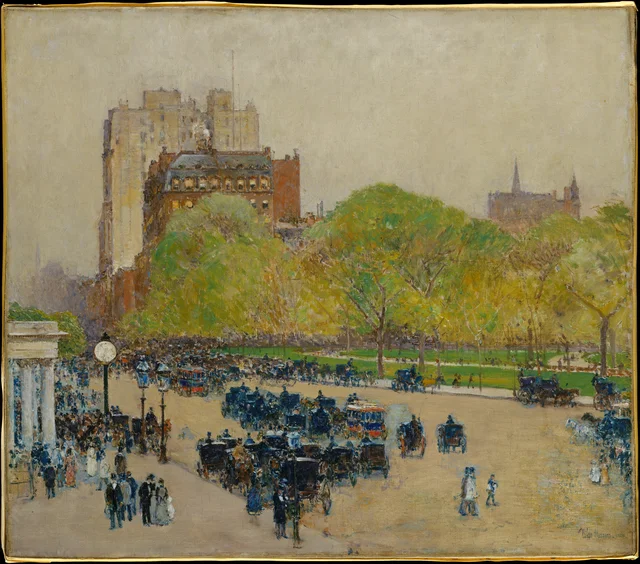 Spring Morning in the Heart of the CityChilde Hassam, 1890
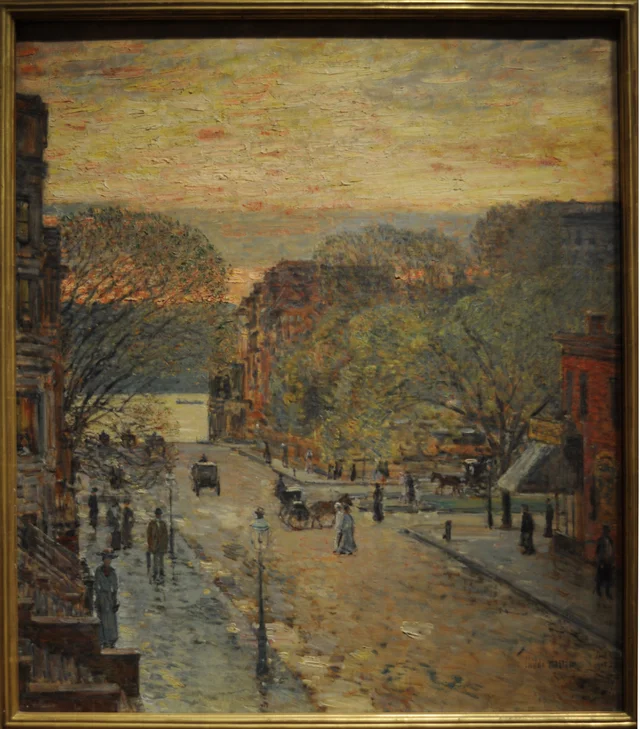 Spring on West 78th StreetChilde Hassam, 1905
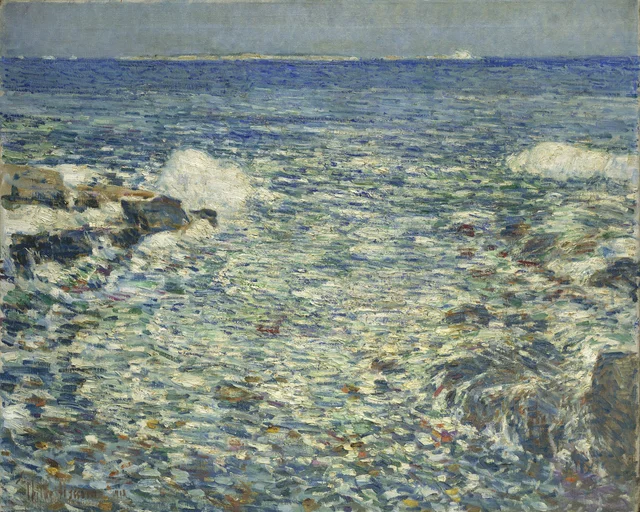 Surf, Isles of ShoalsChilde Hassam, 1913
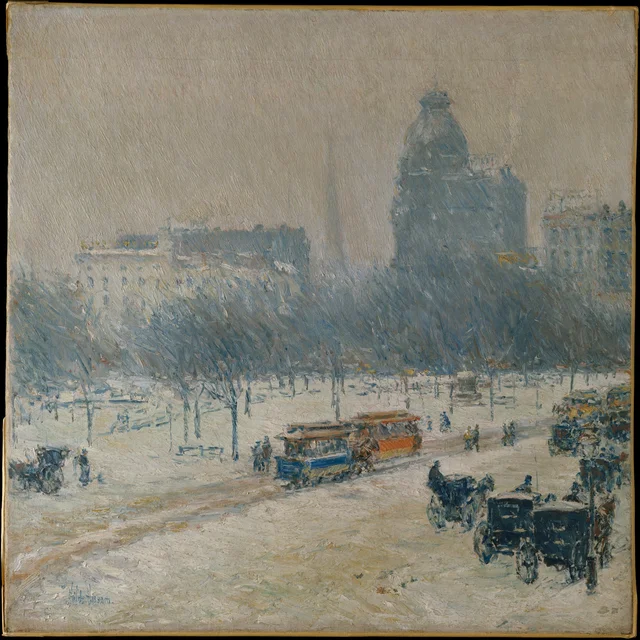 Winter in Union SquareChilde Hassam, 1890
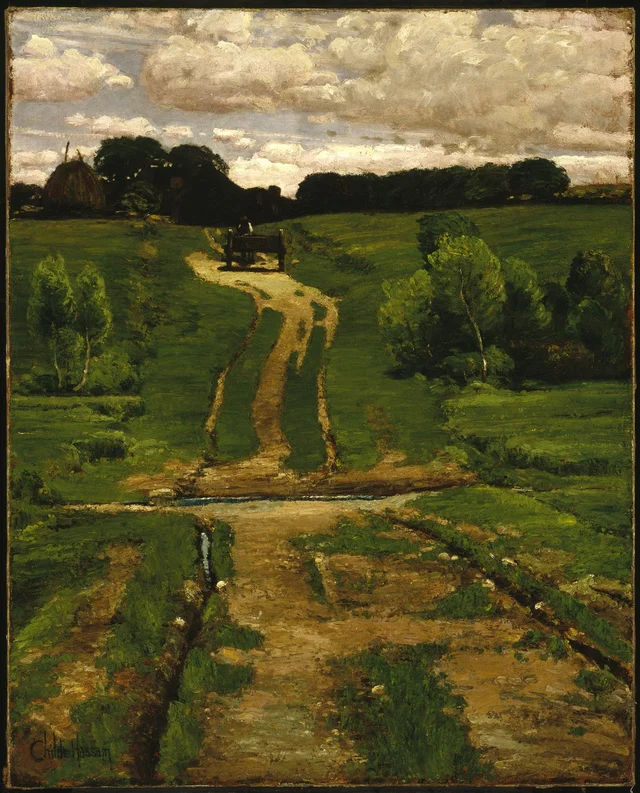 A Back RoadChilde Hassam, 1884
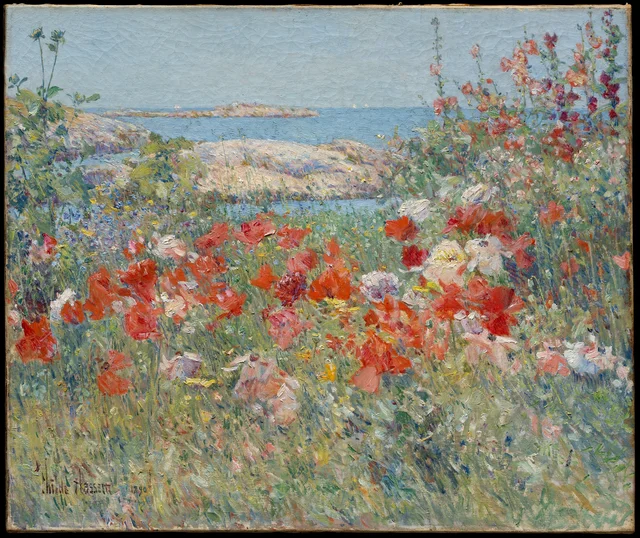 Celia Thaxter's Garden, Isles of Shoals, MaineChilde Hassam, 1890
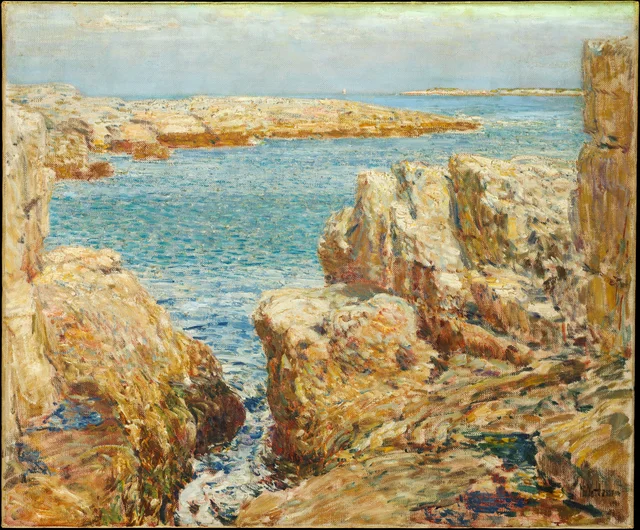 Coast Scene, Isles of ShoalsChilde Hassam, 1901
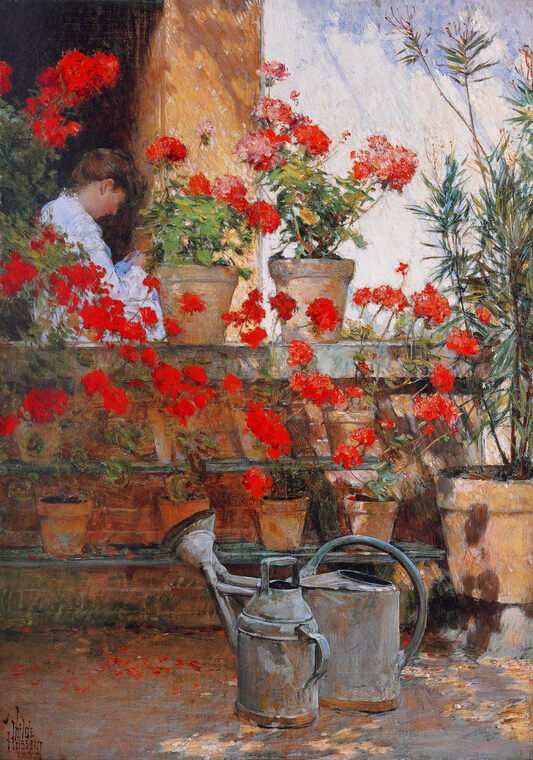 GeraniumsChilde Hassam, 1888
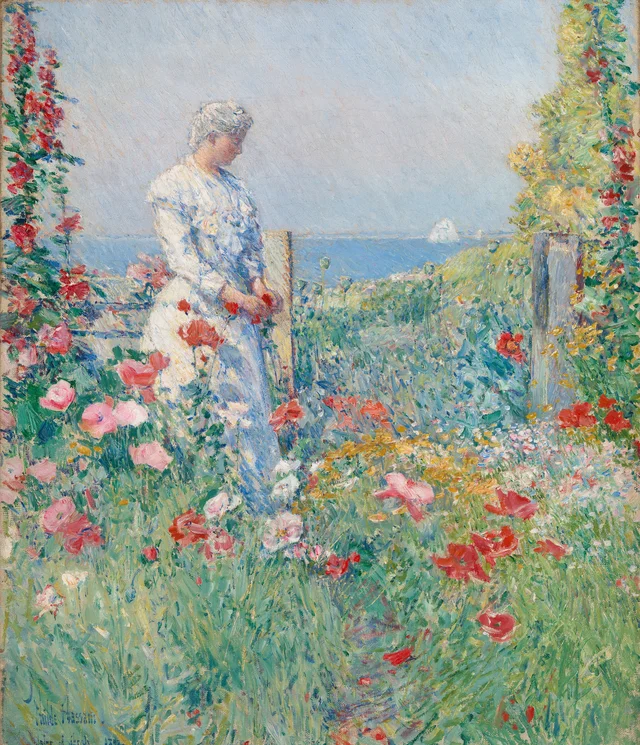 In the Garden (Celia Thaxter in Her Garden)Childe Hassam, 1892
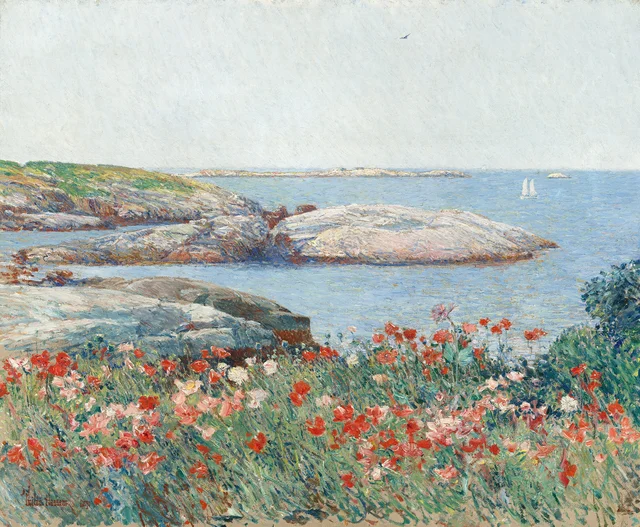 Poppies, Isles of ShoalsChilde Hassam, 1891
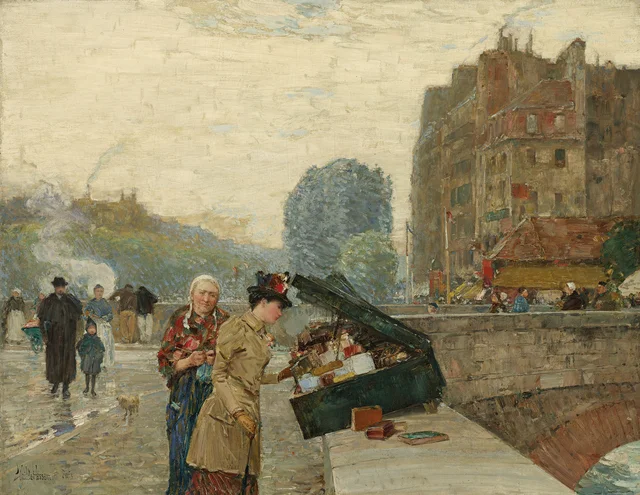 Quai de St. MichelChilde Hassam, 1888
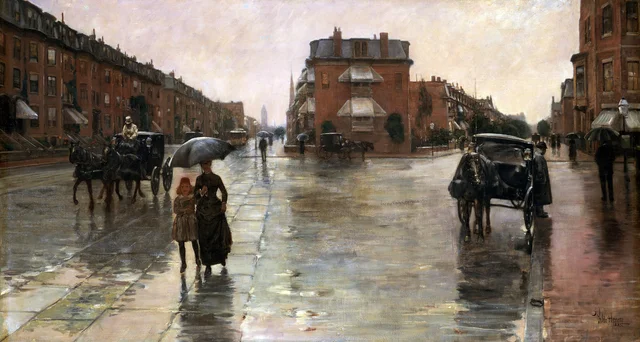 Rainy Day, BostonChilde Hassam, 1885
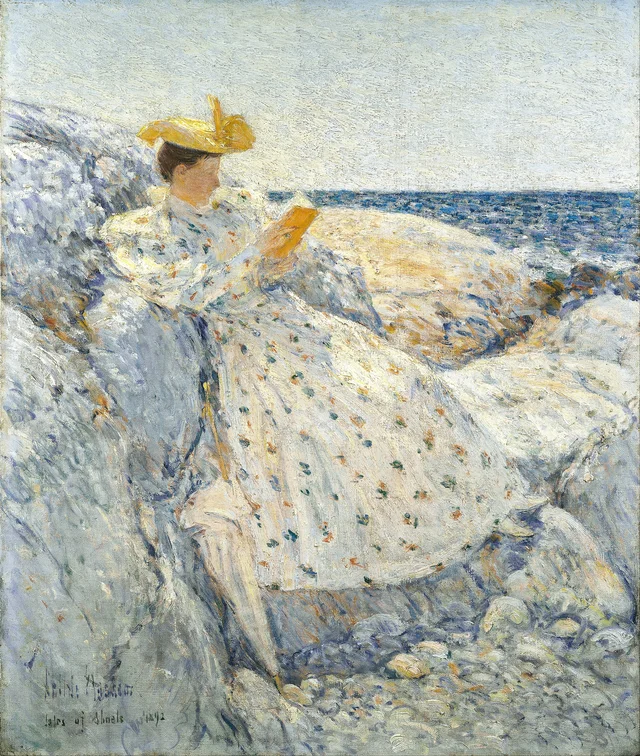 Summer Sunlight (Isles of Shoals)Childe Hassam, 1892
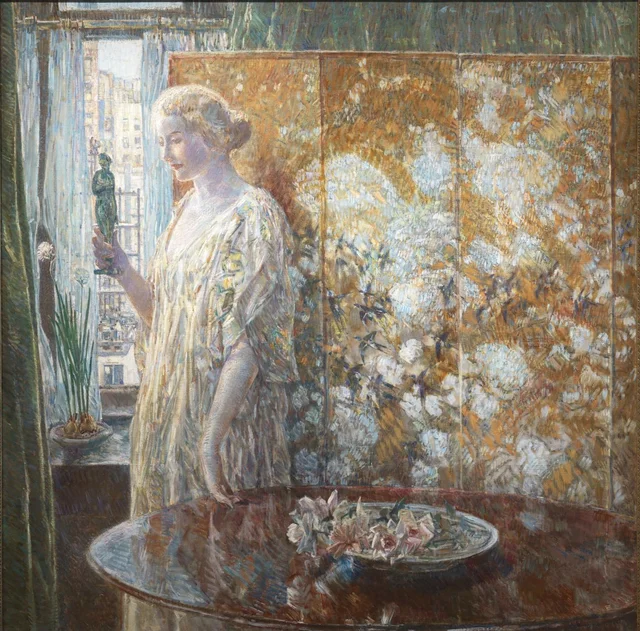 Tanagra (The Builders, New York)Childe Hassam, 1918
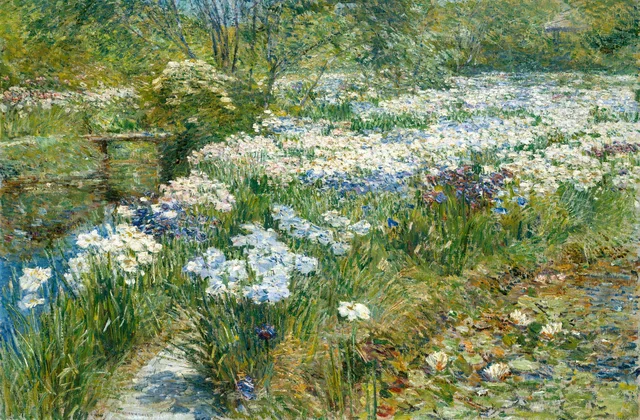 The Water GardenChilde Hassam, 1909
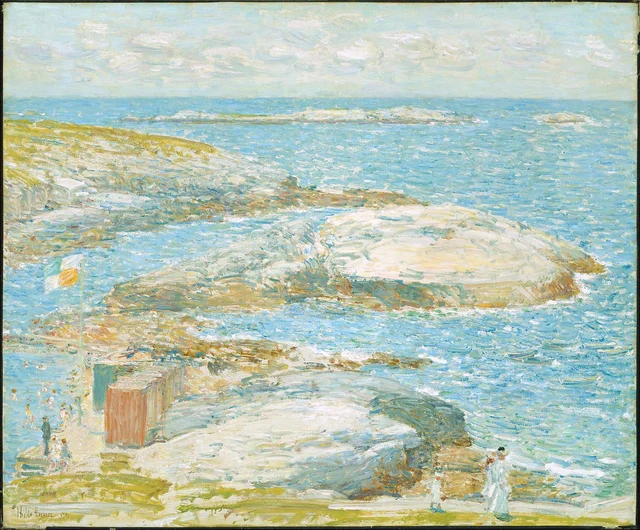 Bathing Pool, AppledoreChilde Hassam, 1907
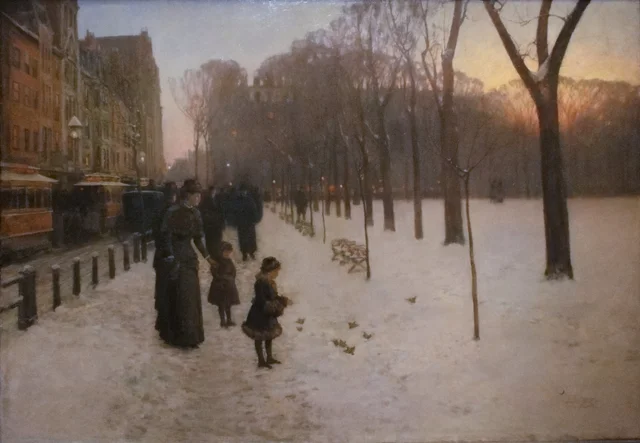 Boston Common at TwilightChilde Hassam, 1885
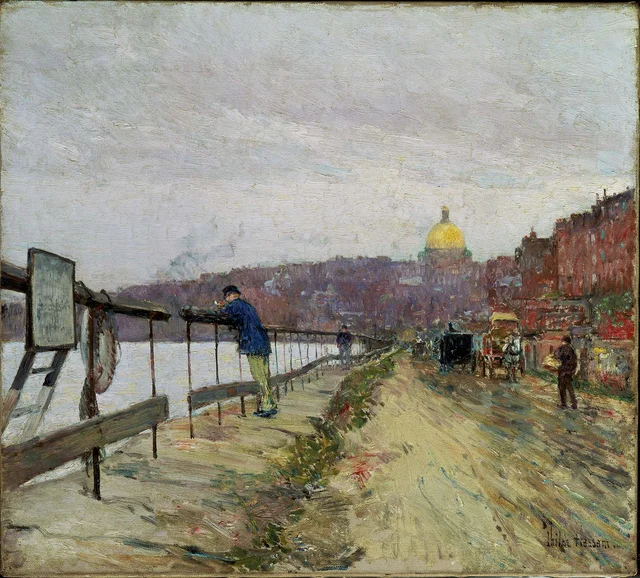 Charles River and Beacon HillChilde Hassam, 1892
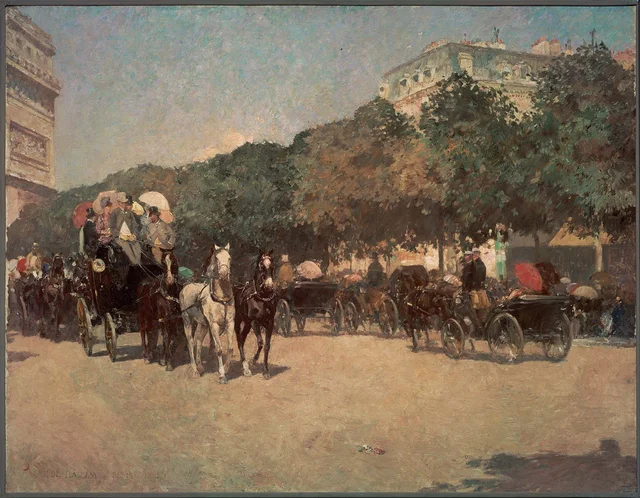 Grand Prix DayChilde Hassam, 1887
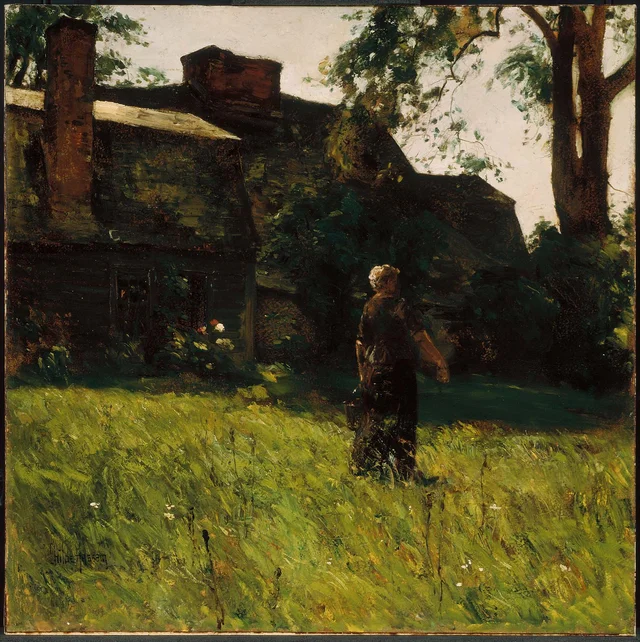 Old Fairbanks House, Dedham, MassachusettsChilde Hassam, 1884
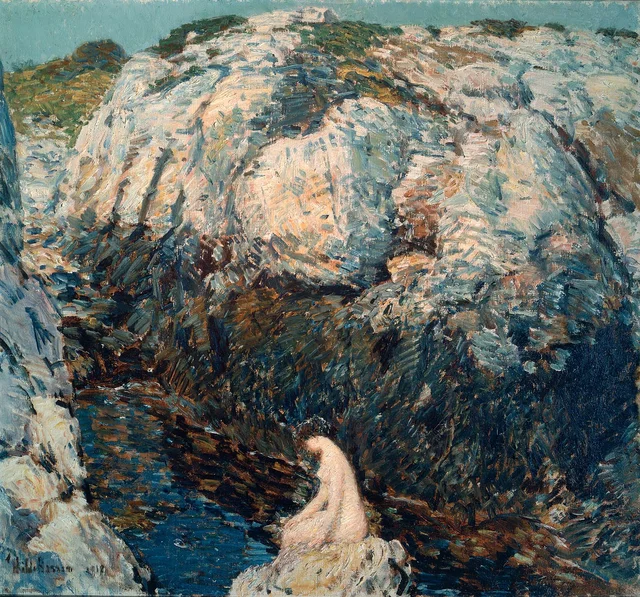 The Lady of the GorgeChilde Hassam, 1912
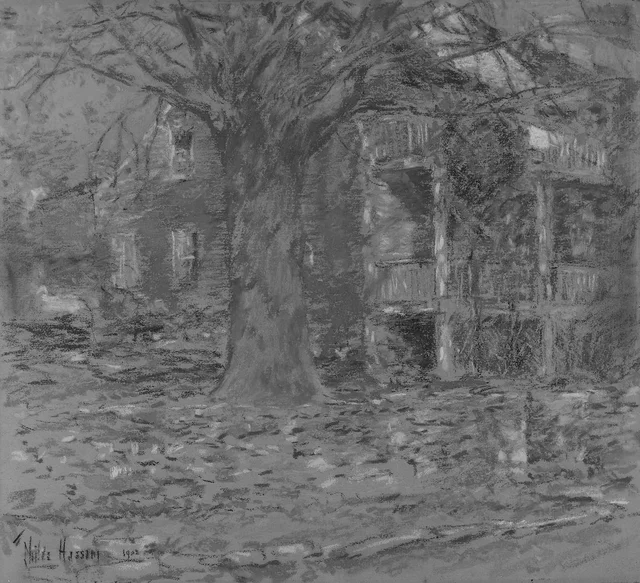 The Old Holley HouseChilde Hassam, 1902