Cigoli
1559–1613 · Grand Duchy of Tuscany · Baroque
The story
Look up into the dome of the Pauline Chapel in the basilica of Santa Maria Maggiore in Rome, and the Virgin stands on a moon that is pitted and shadowed, its surface rough with craters. For centuries the moon beneath the Virgin's feet had been painted as a flawless silver sphere, the perfect heavenly body of old philosophy. This one, finished in 1612, is different, and the reason is a friendship.
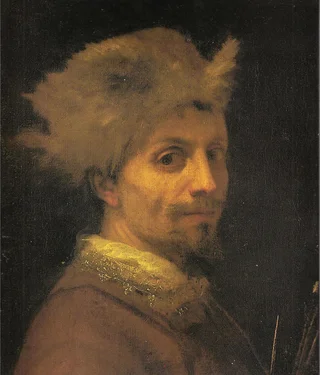
The painter was Ludovico Cardi, called Cigoli after his Tuscan birthplace, a leading figure in the shift from Mannerism toward the Baroque. He was a close friend of Galileo Galilei, whom he had known through the artists' academy in Florence. In 1610 Galileo turned his telescope on the moon and published drawings of a cratered, mountainous world in the Sidereus Nuncius, and by 1612 Cigoli had a telescope of his own and wrote to tell his friend he could see the moon 'very well'.
So he painted what Galileo had seen, high on a ceiling in a papal chapel, the first time the telescope's moon appears in art. Cigoli died the next year, in 1613, worn out by the huge fresco.