Cornelius van Poelenburgh
1667 · Dutch Republic · Baroque
The story
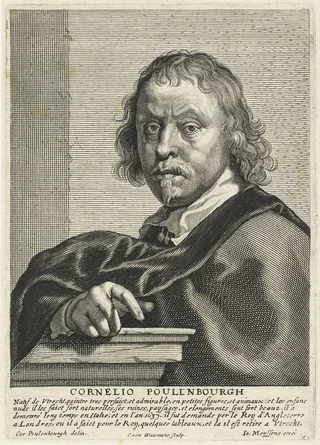
In the Rome of the 1620s a band of Dutch and Flemish painters caroused together under a mock-brotherhood they called the Bentvueghels, the birds of a feather, each given a nickname over wine. Cornelis van Poelenburgh, a young painter from Utrecht who had trained there under Abraham Bloemaert, was dubbed Satiro, the Satyr.
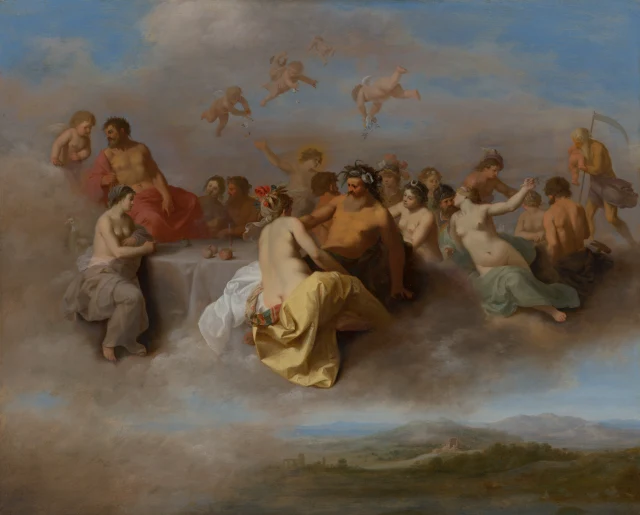
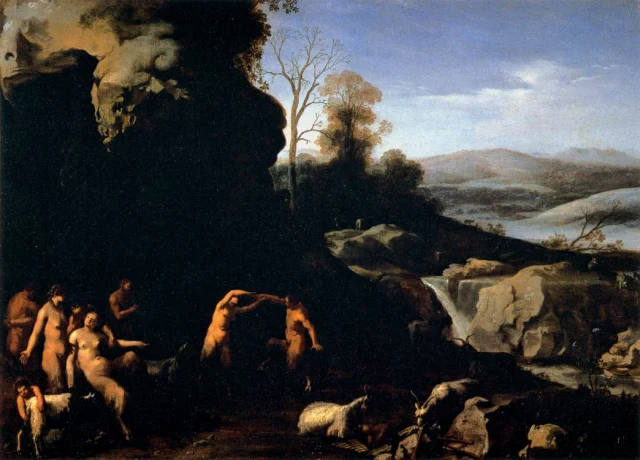
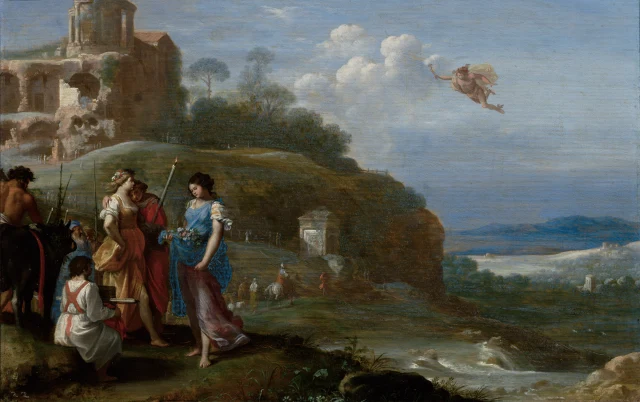
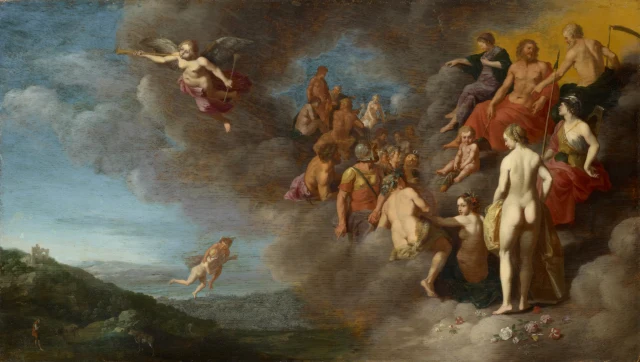
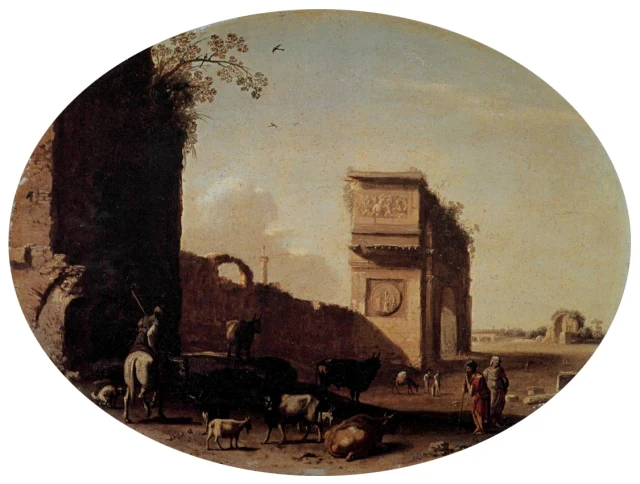
Rome made him. He spent the better part of a decade drawing its ruins and the soft hills around it, and he became a leading figure among the first Dutch painters of Italianate landscape, sunlit Arcadian scenes dotted with antique fragments and small biblical or mythological figures. He worked in miniature, often on smooth copper plates that gave his light its polish.
Back in Utrecht he prospered, and his reputation carried far enough that Charles I of England called him to London to make cabinet pictures for the royal collection. He died in Utrecht in 1667, still painting the warm southern light he had found as a young man.