Daniele Crespi
1598–1630 · Duchy of Milan · Baroque, Lombard Mannerism
The story
In 1630 a wave of plague swept through Milan and the towns around it, the same outbreak the novelist Alessandro Manzoni would later make famous in his book The Betrothed, with its carts of the dead and its overwhelmed pest houses. Among the tens of thousands it killed was one of the most promising painters in Lombardy, Daniele Crespi, only about 32.
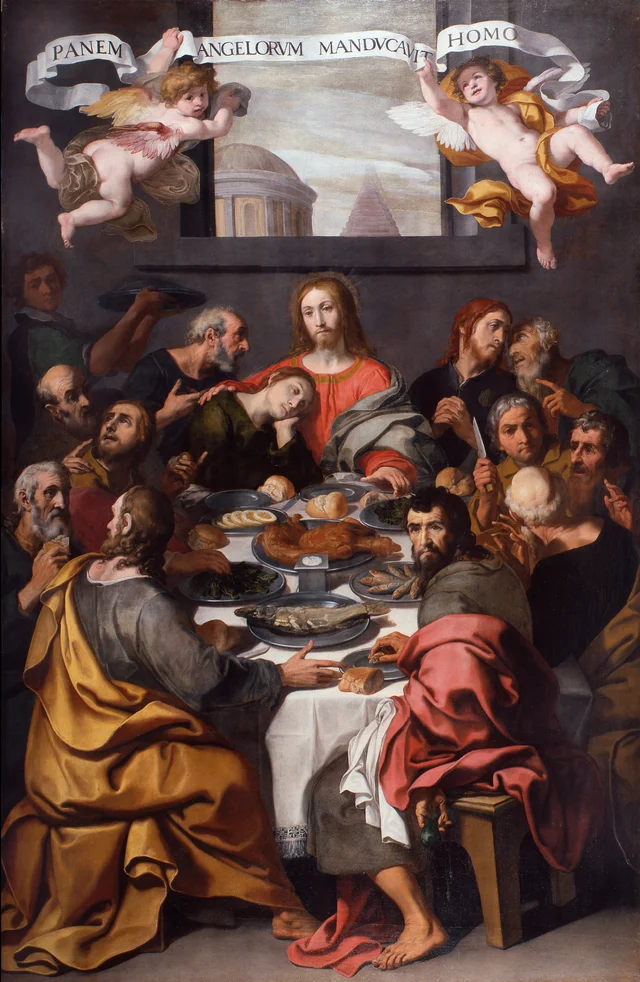
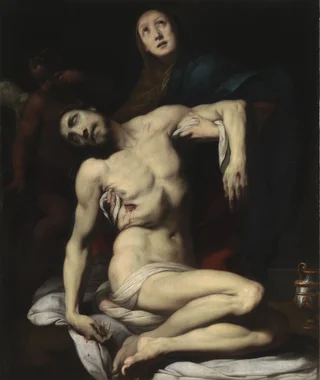
Crespi worked in the sober, direct manner the Catholic Church wanted after the Council of Trent, the reforming assembly that told religious art to move ordinary worshippers plainly rather than dazzle them. His figures are solid and quiet, the feeling held in. His best-known achievement is the fresco cycle at the Certosa di Garegnano, a Carthusian monastery on the edge of Milan, where he covered the walls and vaults with scenes from the lives of the silent monks.
He did all of it fast. Everything securely his was painted in barely a decade, and the Certosa frescoes, finished not long before he died, were among the last. The monastery still stands on the northern edge of the city, its painted halls open to visitors.