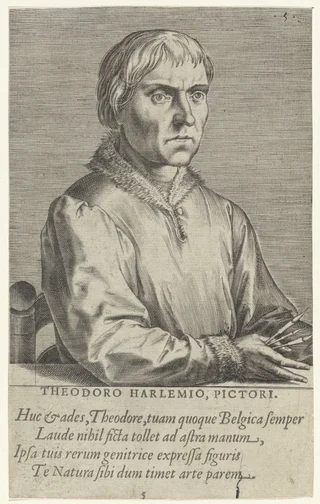
Dieric Bouts
1475 · Burgundian Netherlands · Early Netherlandish painting
The story
Dieric Bouts was the city painter of Louvain, a Flemish town near Brussels, in the third quarter of the 15th century, and his art is unusually still and grave. His figures are tall, narrow and quiet, standing in clear, deep perspective rooms and landscapes with a calm that can feel almost frozen.
His great work is the altarpiece of the Last Supper, one of the first Netherlandish paintings to put the Communion at its centre. Bouts sets Christ and the apostles in a real, tiled Flemish room with a view out the window, and theologians from the town advised him on how to arrange it correctly.
The city also asked him for justice scenes to hang in the town hall, moral warnings to its magistrates. He painted the grim story of a wrongly executed count and the ordeal by fire that proved his innocence, working on it until he died in 1475, leaving the second panel to be finished by other hands.
Works
10 works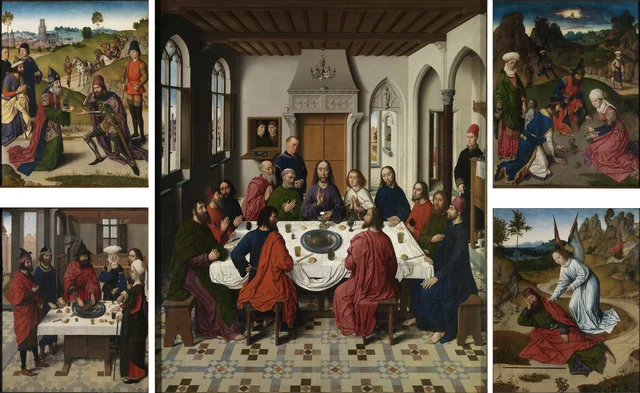 Triptych: The Last SupperDieric Bouts, 1466
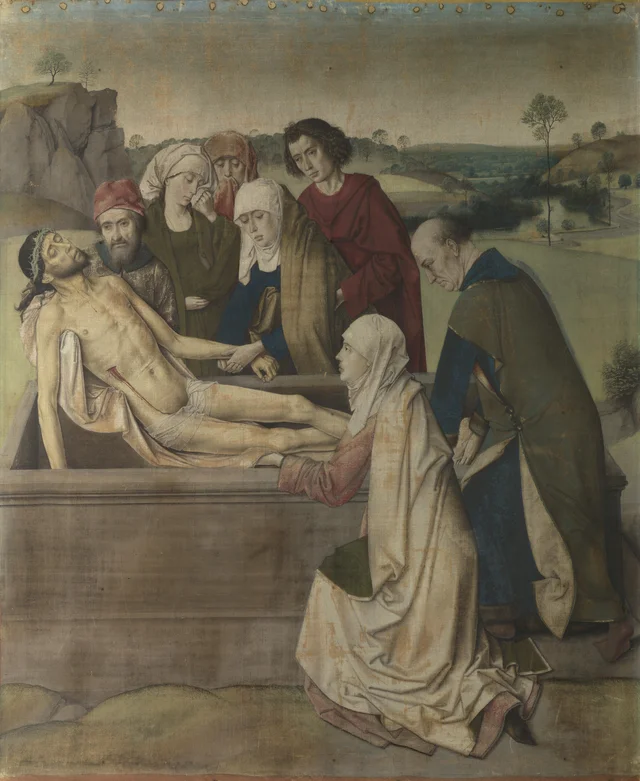 The EntombmentDieric Bouts, 1450
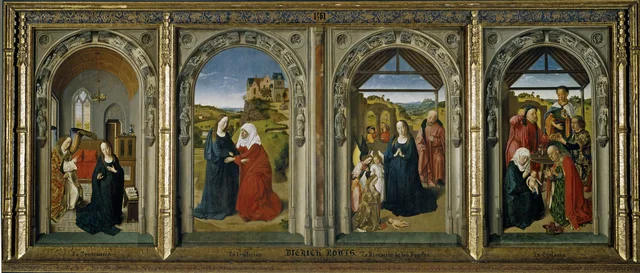 Triptych with Scenes from the Life of the VirginDieric Bouts, 1445
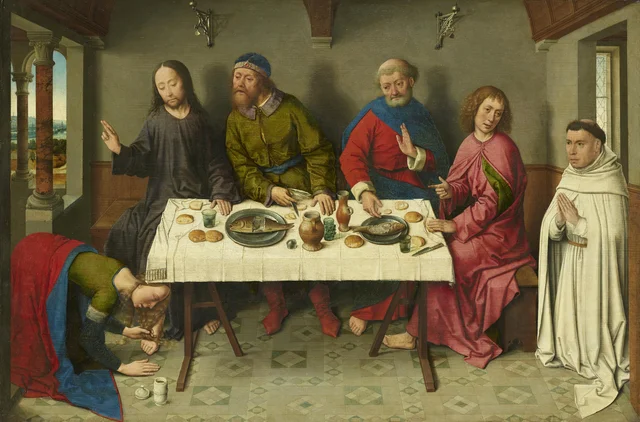 Christ in the house of the Pharisee SimonDieric Bouts, 1460
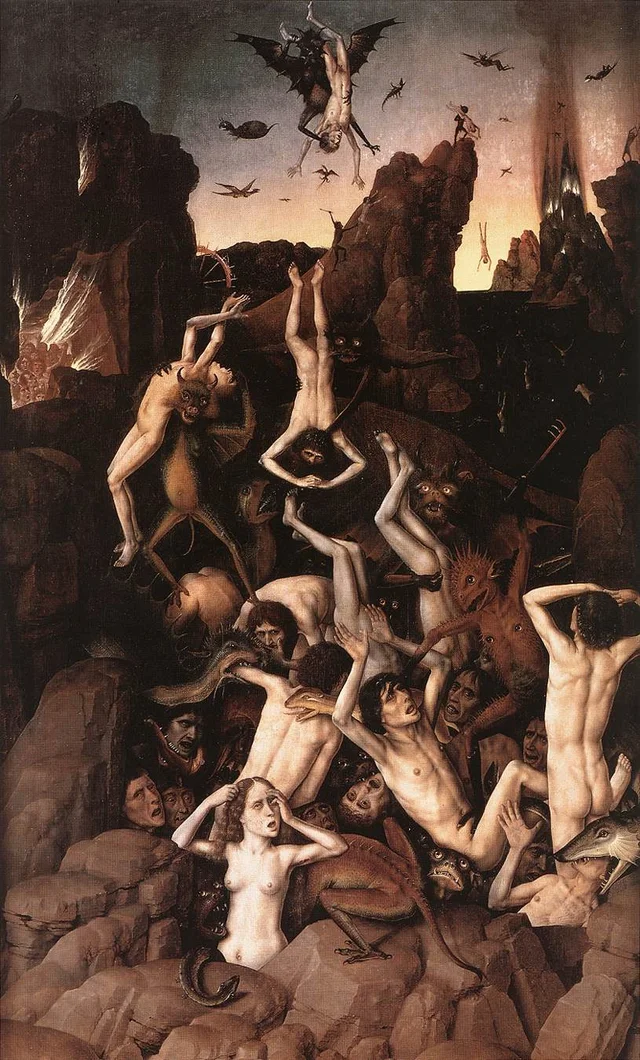 The Fall of the DamnedDieric Bouts, 1468
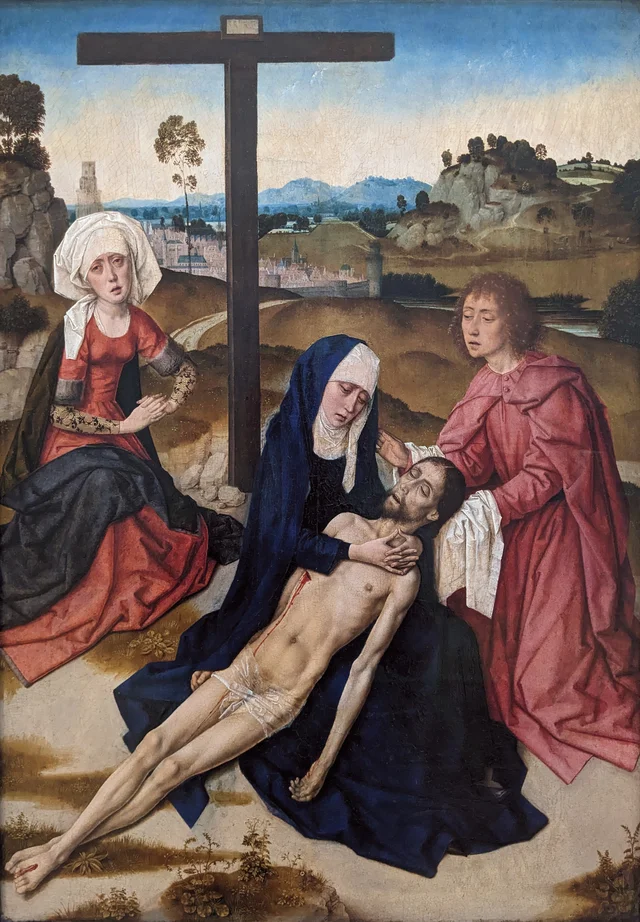 The Lamentation over the dead ChristDieric Bouts, 1460
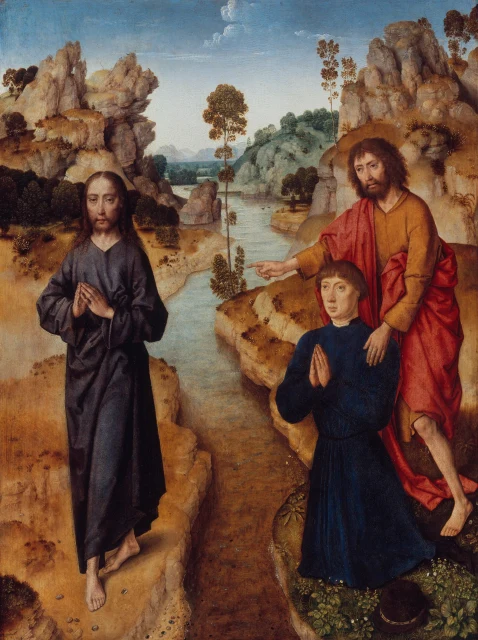 Ecce Agnus DeiDieric Bouts, 1463
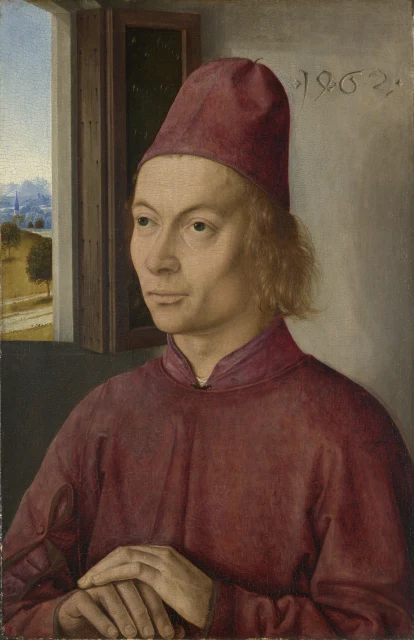 Portrait of a Man (Jan van Winckele?)Dieric Bouts, 1462
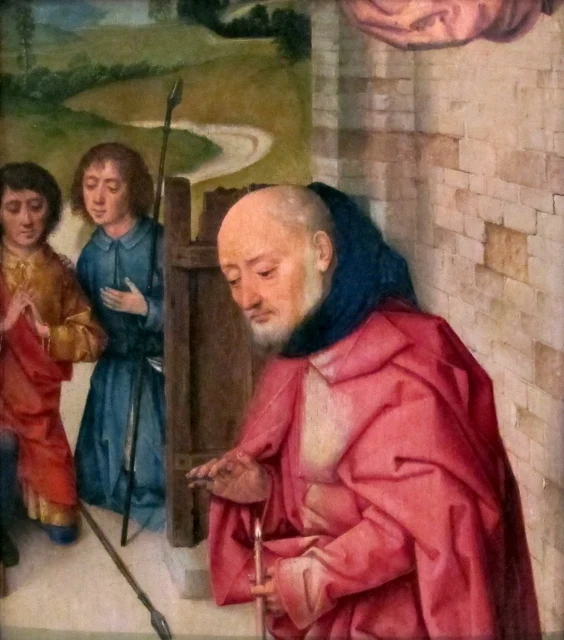 Saint Joseph and Two ShepherdsDieric Bouts, 1487
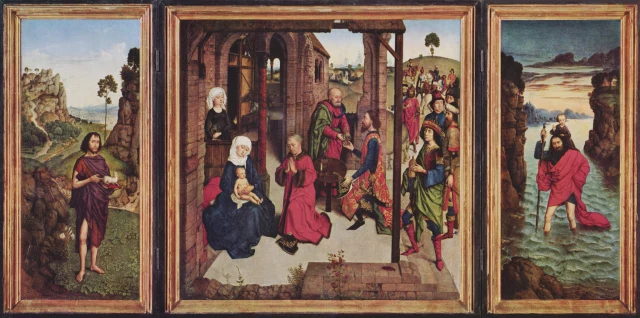 The Pearl of BrabantDieric Bouts, 1465