Emil Filla
1882–1953 · Austria–Hungary, Czechoslovakia, Protectorate of Bohemia and Moravia · Cubism
The story
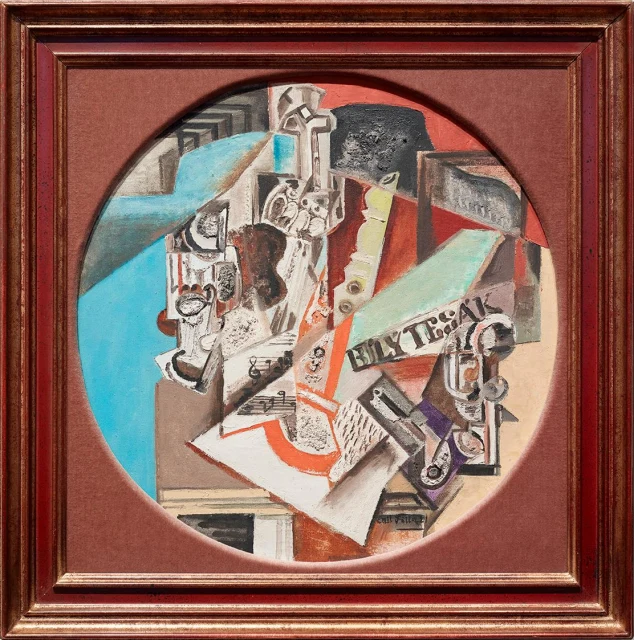
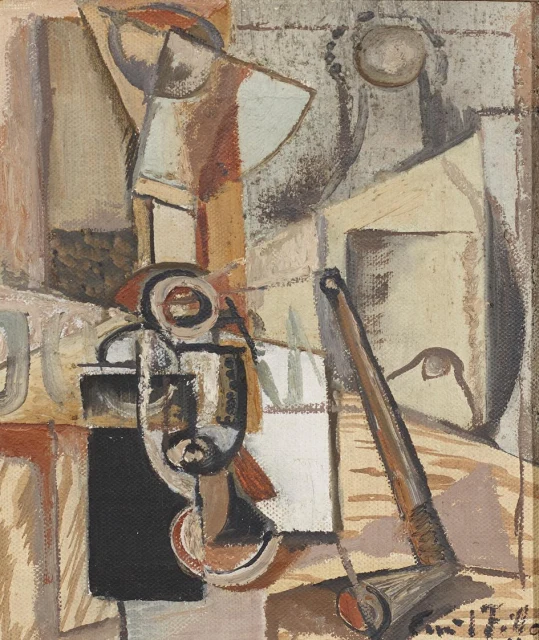
When Cubism was invented in Paris around 1908, it might easily have stayed a Paris affair. That it did not is largely the doing of Emil Filla, a Czech painter who saw what Picasso and Braque were up to, grasped it quickly, and carried it home. From about 1910 he painted in a full Cubist manner, and under his lead Prague became the second real centre of the movement anywhere.
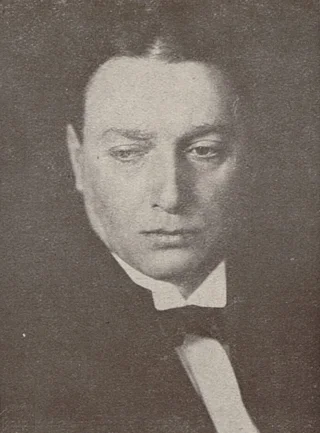
He had started out with the group Osma, "The Eight," young Prague artists close in spirit to the Fauves and to the German Expressionists of Die Brücke. When the First World War broke out Filla was in Paris. He slipped across to the neutral Netherlands and waited it out, then returned to a newly independent Czechoslovakia and spent the between-the-wars years as a leader of its avant-garde.
The second war nearly killed him. In 1939 the Gestapo arrested him for his anti-Nazi views, together with the painter Josef Čapek, and sent him first to Dachau and then to Buchenwald, where he lived through six heart attacks and, unlike so many, came out alive. He went home, taught in Prague, and turned in his last years to painting the rolling Central Bohemian Highlands north of the city.