Follower of Hieronymus Bosch
Habsburg Netherlands · Northern Renaissance
The story
Around 1560 a Spanish courtier named Felipe de Guevara sat down to write about painting and complained about a racket. Imitators of Hieronymus Bosch were signing the dead master's name on their own panels, and since they painted mostly monsters and devils, people had come to believe devils were all Bosch ever did. Bosch had died in 1516 in 's-Hertogenbosch, the Brabant town he took his name from. His pictures went on selling for the rest of the century, and painters kept supplying them.
The words follower of are a cataloguer's formula with a precise meaning. The hand belongs to someone else, working in Bosch's manner during his lifetime or soon after, with no claim that the painter ever trained with him. It is a weaker statement than attributed to, which still holds open the possibility of the master's own hand.
Look at what the formula has collected here. Two Temptations of Saint Anthony, one in Brussels and one in Utrecht barely 26 centimetres tall. Two Last Judgments, one in Munich and a triptych at Wawel Castle in Kraków. A Christ Crowned with Thorns at El Escorial, the monastery palace of Philip II, who collected Bosch harder than any other ruler in Europe. In the Prado, two tall narrow panels, paradise on one and hell on the other, following a composition of Bosch's. In Boston, a panel the museum calls Purgatory and also lists as Hell, given in 1908. The subjects repeat because those were the subjects the market wanted. The latest of those with a date is set at about 1550, 34 years after the man himself was buried.
Works
9 works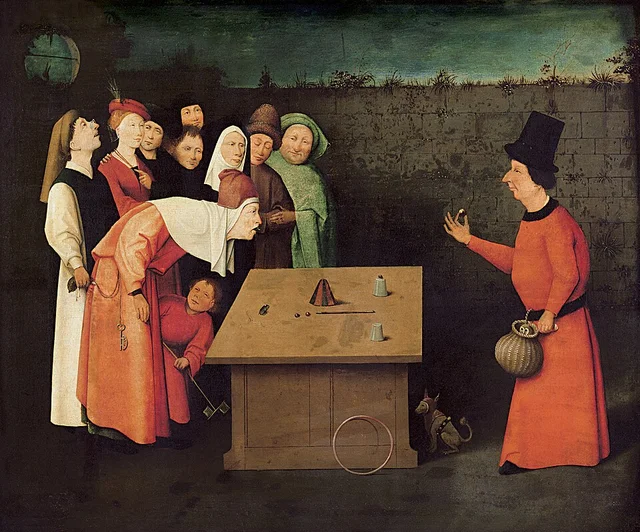 The ConjurerFollower of Hieronymus Bosch
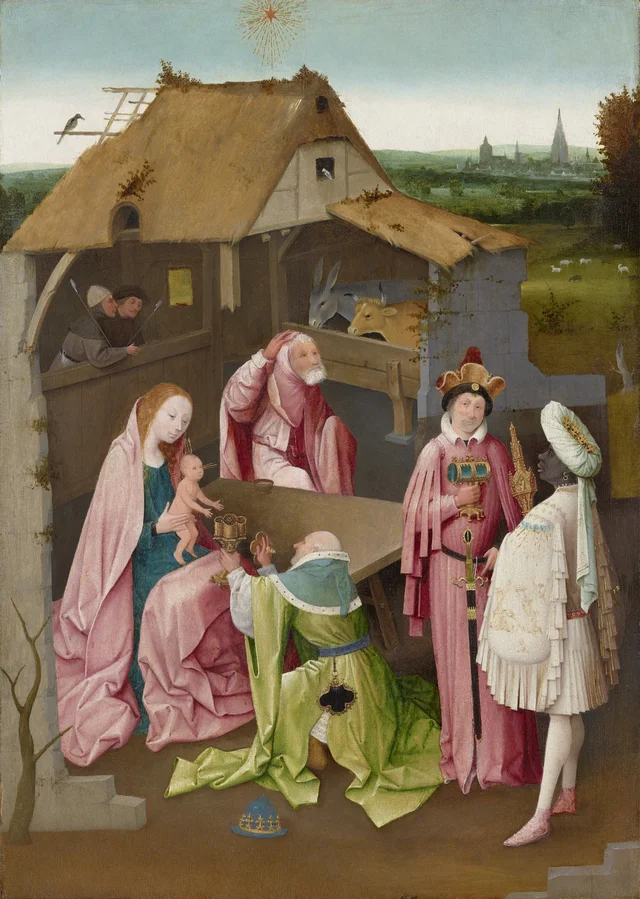 Adoration of the MagiFollower of Hieronymus Bosch, 1493
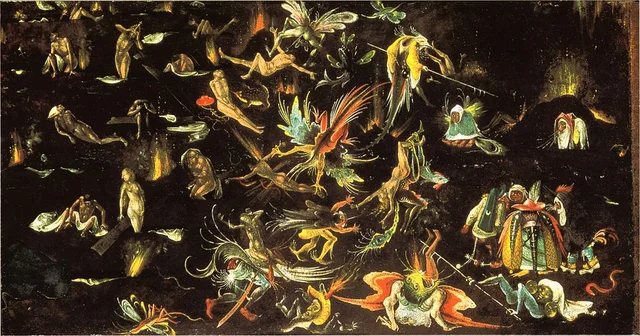 The Last JudgmentFollower of Hieronymus Bosch, 1515
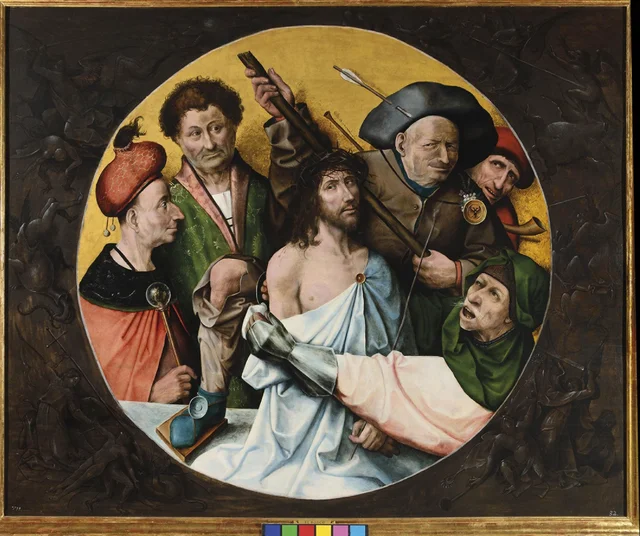 Christ Crowned with ThornsFollower of Hieronymus Bosch, 1530
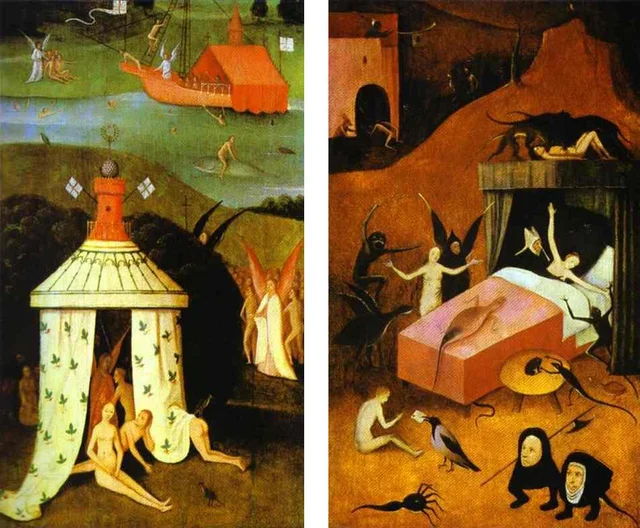 Paradise and HellFollower of Hieronymus Bosch, 1513
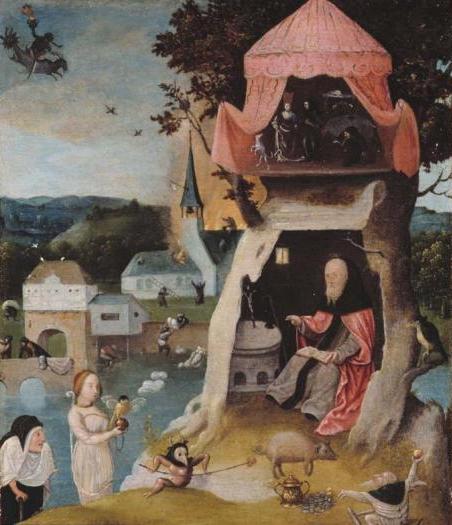 The Temptation of Saint AnthonyFollower of Hieronymus Bosch, 1525
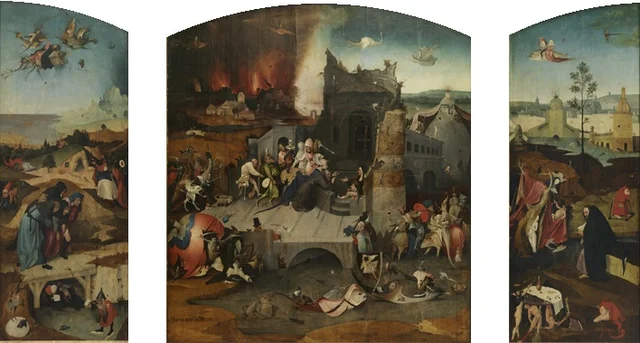 The Temptation of St AnthonyFollower of Hieronymus Bosch, 1520
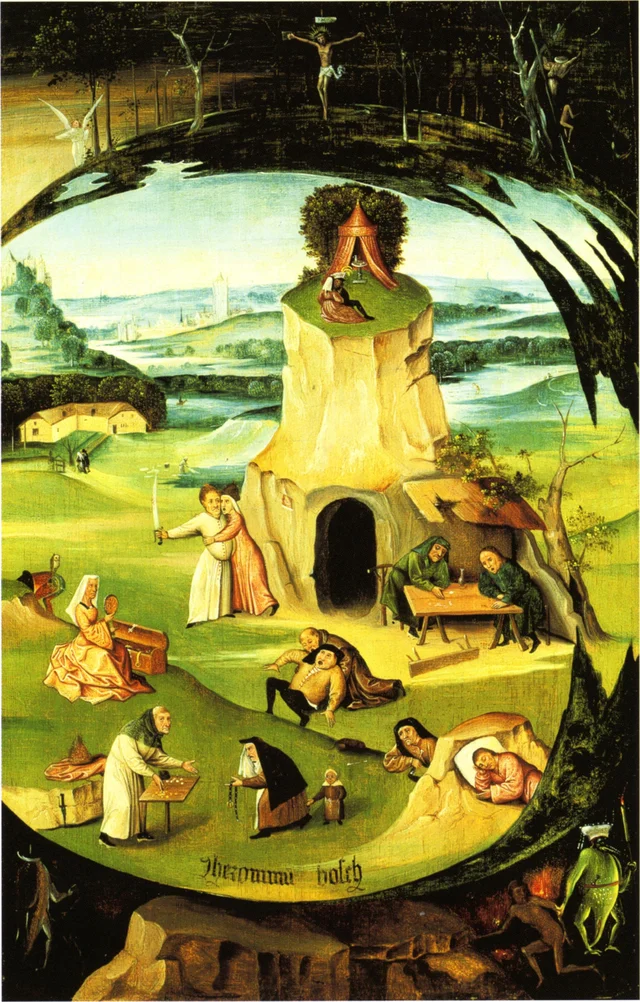 The Seven Deadly SinsFollower of Hieronymus Bosch
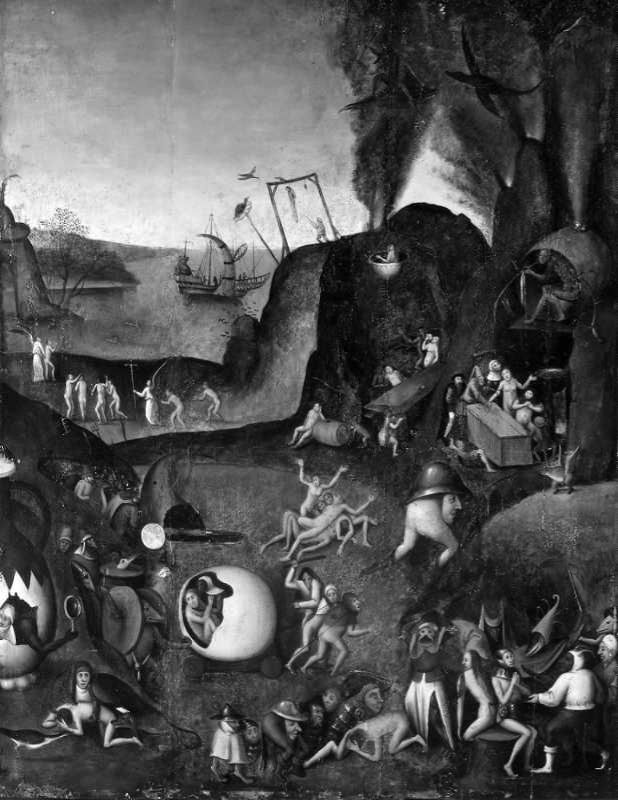 PurgatoryFollower of Hieronymus Bosch