Follower of Peter Paul Rubens
The story
The Prado has never been able to settle who painted its Vulcan and Fire. Over the years its records have called the canvas anonymous, Flemish school and, from the inventory of 1857, school of Rubens. In 1995 the Spanish scholar Matías Díaz Padrón gave it to Erasmus Quellinus the Younger, a painter who had worked with Rubens, and a more recent reading credits the armour in it to Cornelis de Vos. The museum accepted none of these names and settled on follower of Rubens. The picture has a companion, Aeolus, god of the winds, and the Spanish royal inventories of the 18th century listed the two together as the elements of fire and air.
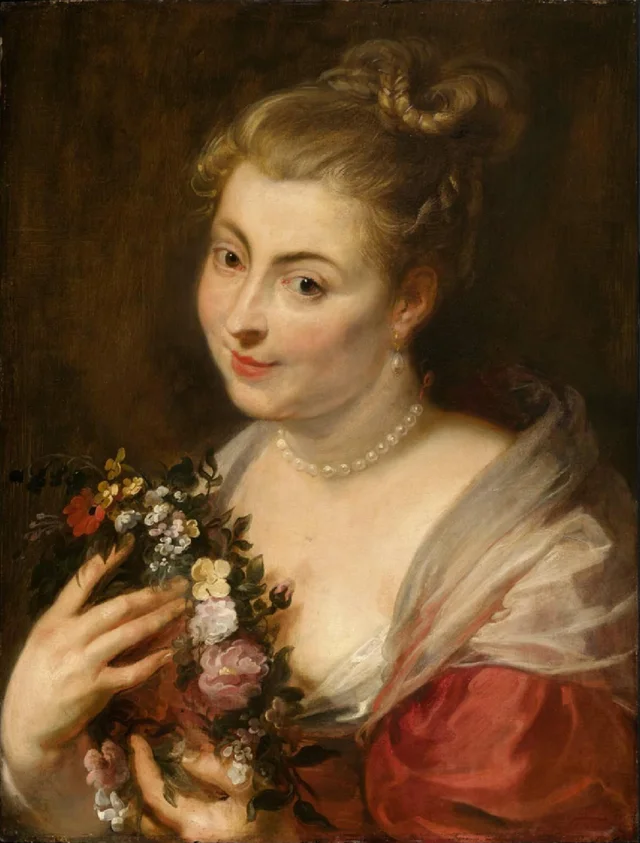
Follower of Peter Paul Rubens is the label for a painter who worked in his manner and whose own name has been lost. It makes no claim that the painter trained in his studio, and some of these pictures may have been made well after his death in 1640.
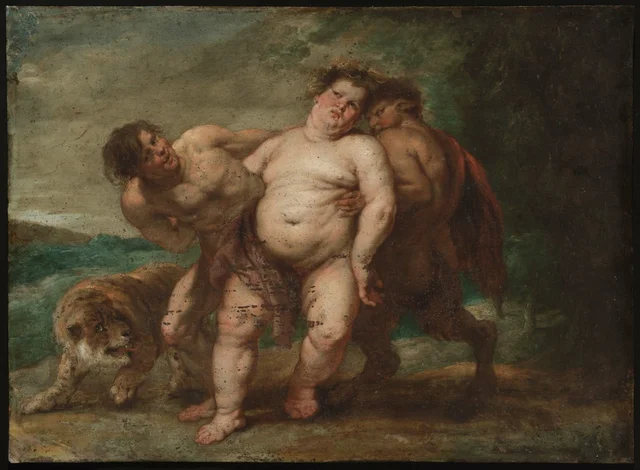
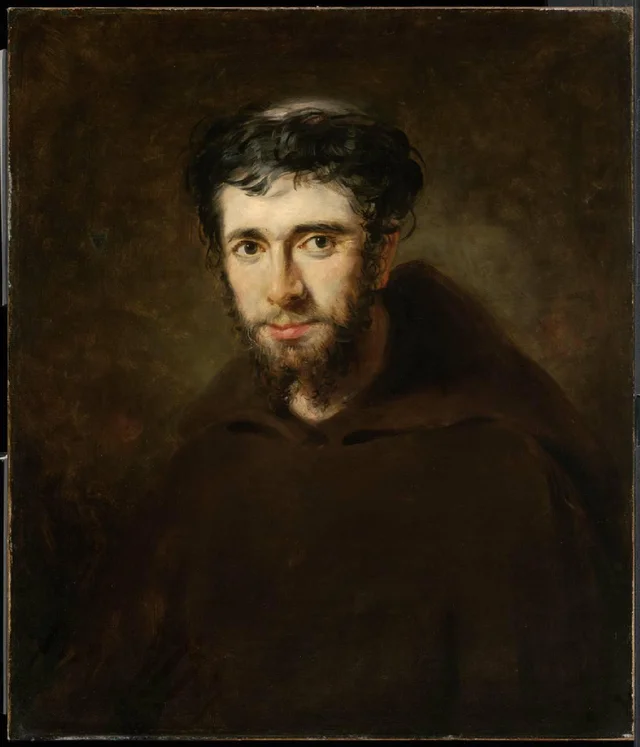
Besides the Prado canvas, this heading gathers pictures in the Pinakothek in Munich, among them a small Drunken Silenus and a pair of the weeping and laughing philosophers, Heraclitus and Democritus, a Christ Crucified at Wawel Castle in Kraków, and a Portrait of a Monk at the Museum of Fine Arts in Boston, which the museum describes as in the style of Rubens.