Follower of Rembrandt
Dutch Republic · Dutch Golden Age painting
The story
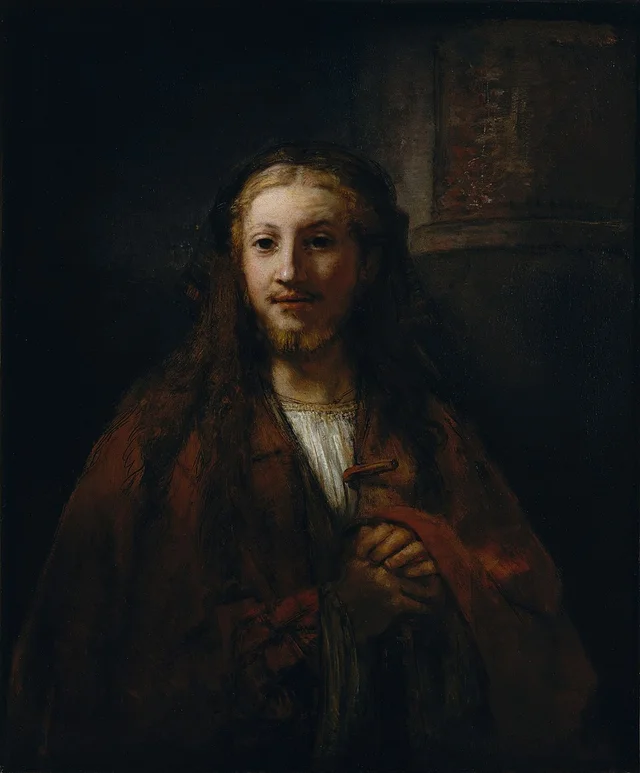
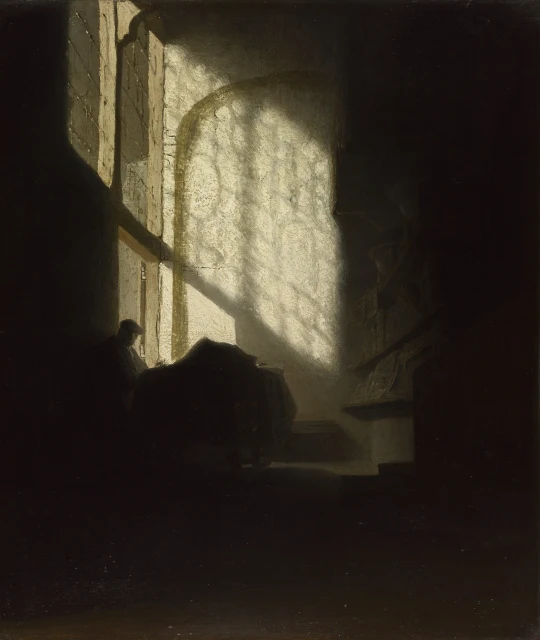
Joachim von Sandrart, a German painter who lived in Amsterdam in the years around 1640, wrote in 1675 that pupils from good families crowded into Rembrandt's house, each paying 100 guilders a year, and that Rembrandt also earned from selling what they painted. They copied his heads of old men, his scholars in shadowy rooms and his scenes from the Bible, and painters outside the studio picked up the manner too, because pictures that looked like his found buyers.
Follower of Rembrandt is the label a museum gives to one of those pictures when the painter cannot be named. It means someone who worked in his style, perhaps a pupil, perhaps not, in his lifetime or within about a generation after it. It claims less than attributed to, which would mean the museum thinks Rembrandt probably painted it himself. That line has moved many times. From 1968 to 2014 a team of Dutch scholars, the Rembrandt Research Project, re-examined the paintings under his name, and some pictures long sold as Rembrandts now carry labels like this one.