Francesco Rustici
1592–1626 · Italian · Baroque
The story
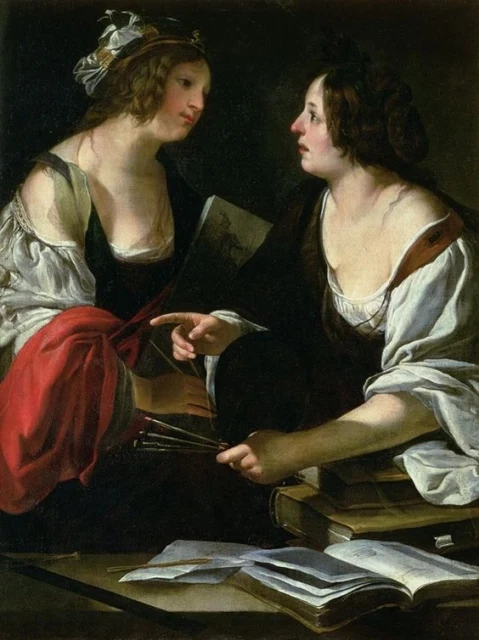
In Siena around 1620, painting still leaned on the soft grace the city had prized for generations, while a younger man went chasing something darker. Francesco Rustici, born in 1592 and known as il Rustichino, came from a family thick with painters: his father Vincenzo, his uncle Cristoforo, and on his mother's side his teacher Alessandro Casolani all worked in the city.
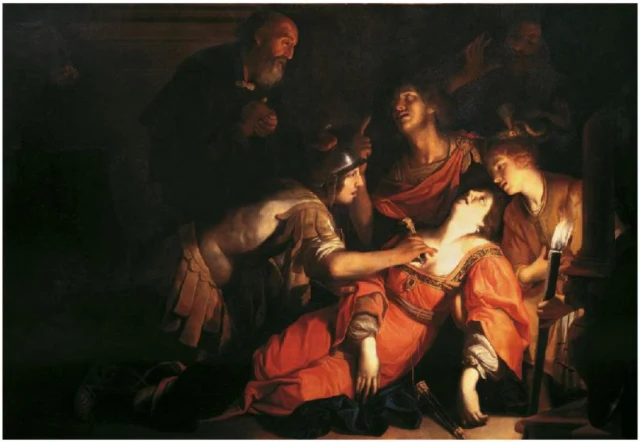
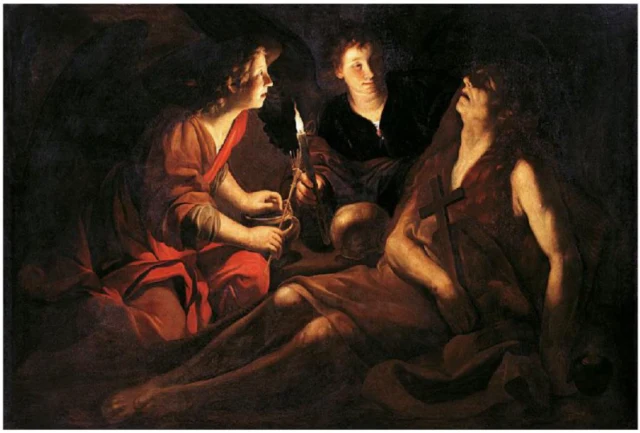
What set him apart was the light. He was drawn to night scenes lit by a single flame, the manner spread by Caravaggio and, more directly, by the Dutch painter Gerrit van Honthorst, whose candlelit pictures Rustichino studied in Rome around 1625. A figure surfaces out of the dark, a hand cupped around a small fire, the shadows doing half the work.
He painted for Sienese churches and for the grand dukes of Tuscany, and then it ended abruptly. Rustichino died in 1626, only 34, his name made in barely a decade.