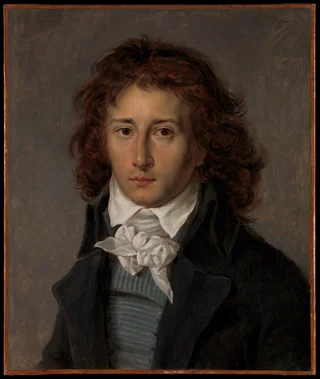
François Gérard
1770–1837 · France · Neoclassicism, Romanticism
The story
By the 1810s, to have your likeness taken by François Gérard was a mark of arrival. Nearly every important figure of Napoleon's France sat for him, and after the emperor fell, the returning Bourbon kings kept him on. Napoleon had made him a baron in 1809, and his Paris studio ran like a portrait factory for a Europe in constant reshuffle.
He had trained under Jacques-Louis David, the strict master of French Neoclassicism, and made his name young. At the Salon of 1798 he showed 'Cupid and Psyche', now in the Louvre, with the god invisible to the girl as he plants a first kiss on her cheek and she stares out unaware. Its cool, polished surface and pale light were exactly the taste of the moment.
For all the grand history pictures he was asked to paint, it is the portraits people return to, among them his Madame Récamier, the celebrated Paris hostess, shown reclining in white. Gérard outlived the Empire by more than 20 years and died in Paris in 1837, still the official painter of whichever government held the palace.
Works
8 works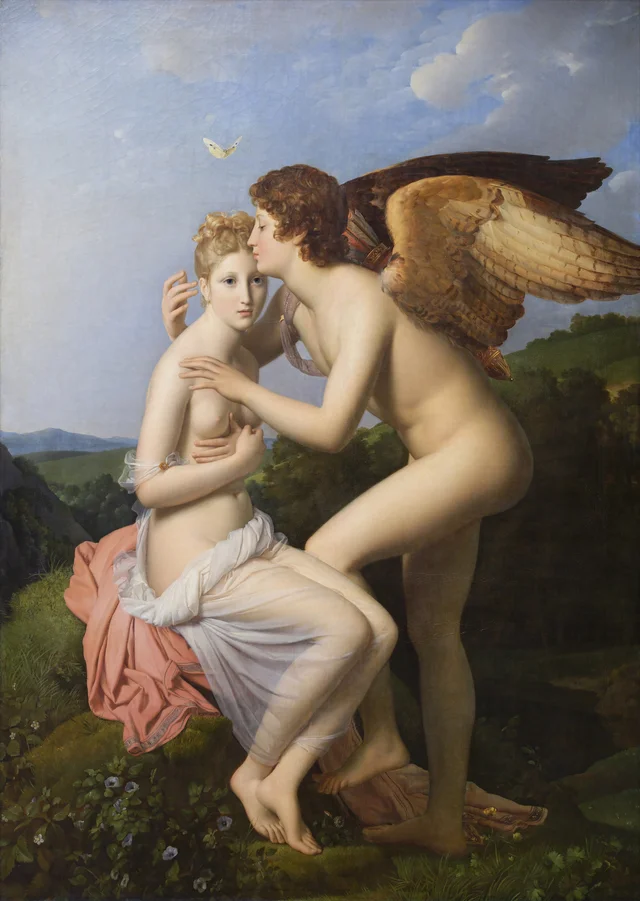 Cupid and PsycheFrançois Gérard, 1798
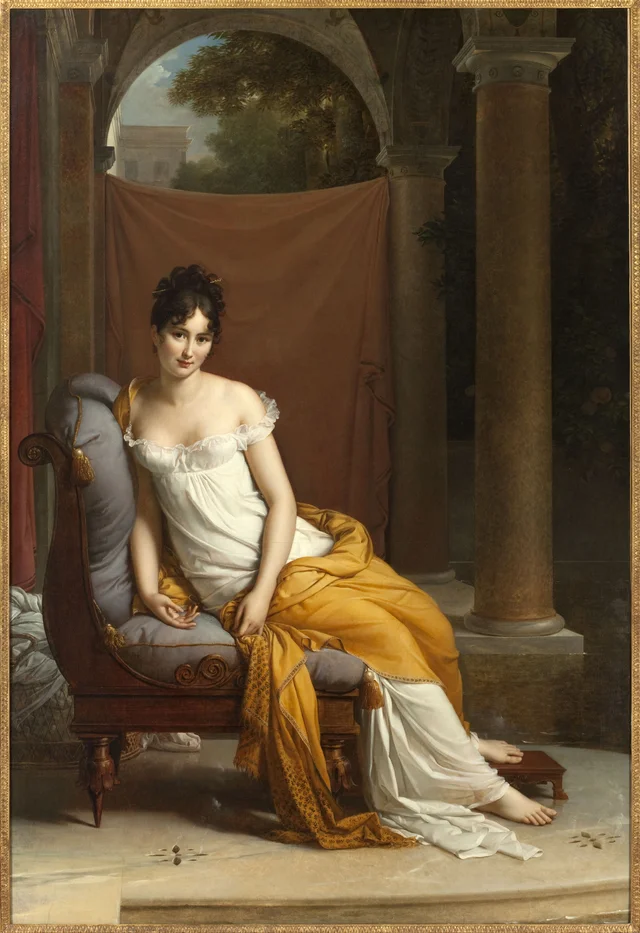 Portrait of Juliette RécamierFrançois Gérard, 1805
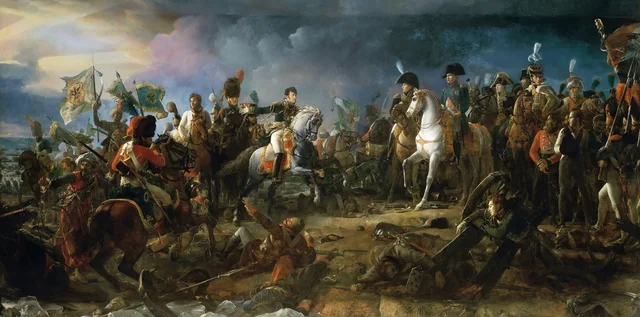 The Battle of Austerlitz, 2nd December 1805François Gérard, 1810
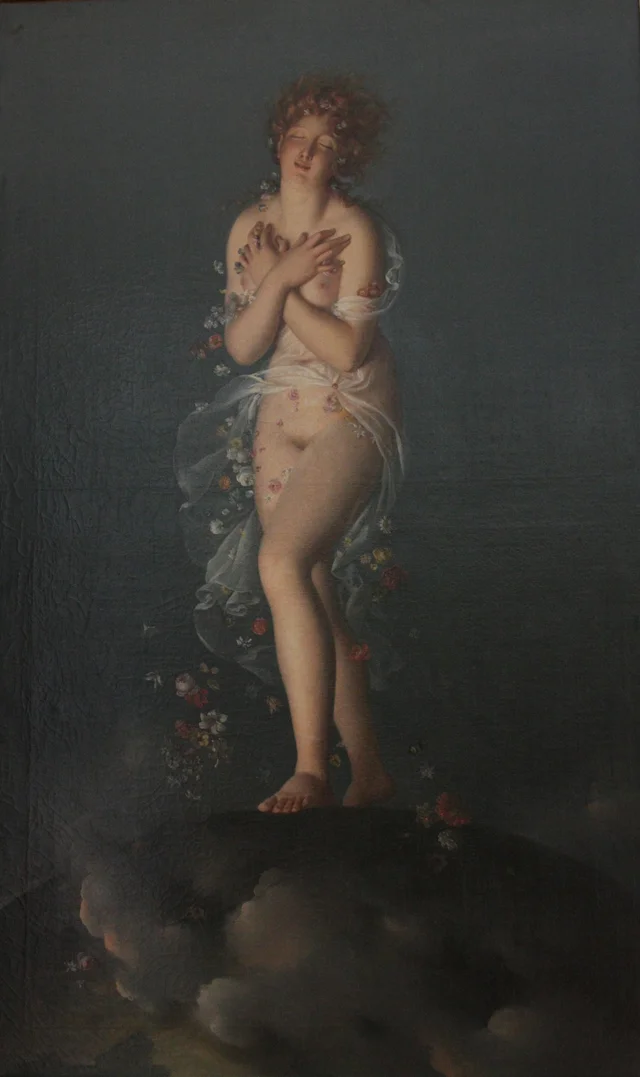 Flora Caressed by ZephyrFrançois Gérard, 1802
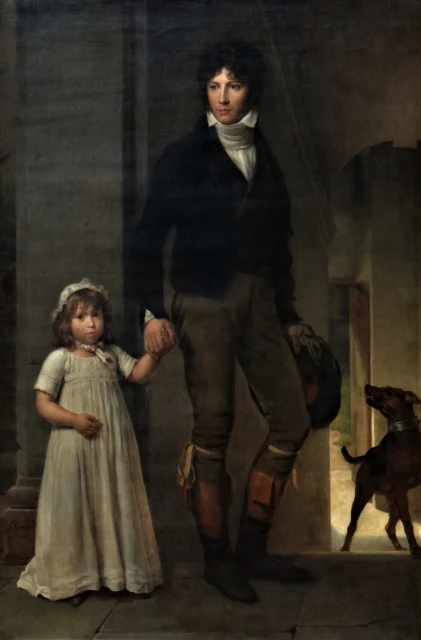 Jean-Baptiste Isabey and His DaughterFrançois Gérard, 1795
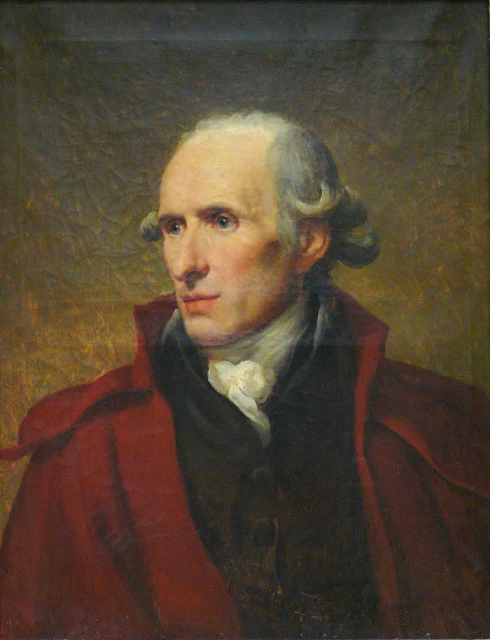 Portrait of the Sculptor Antonio CanovaFrançois Gérard, 1808
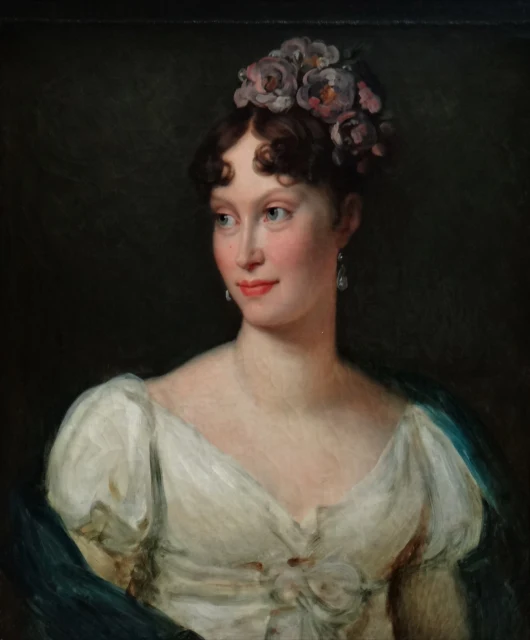 The Empress Marie-LouiseFrançois Gérard, 1810
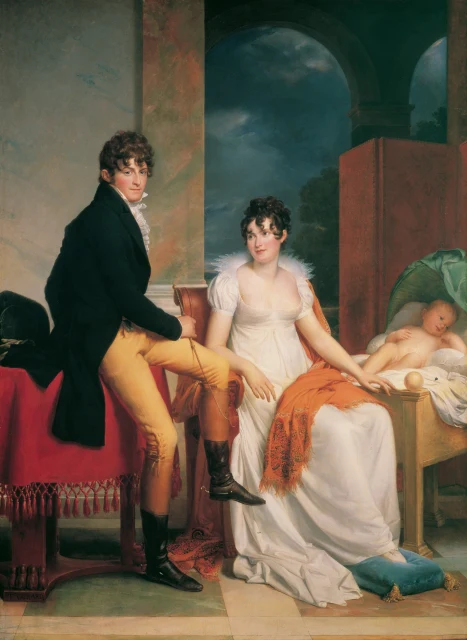 The Imperial Count Moritz Christian Fries with his Wife Maria Theresia Josepha and his Son MoritzFrançois Gérard, 1805