Frank Buchser
1828–1890 · Swiss · Orientalism, Realism
The story
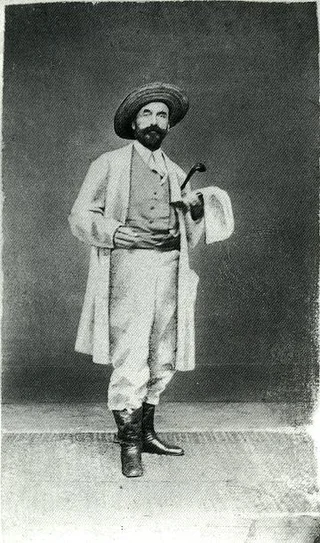
In 1866, a year after the American Civil War ended, a Swiss painter named Frank Buchser sailed to the United States with an official errand. He was to paint a grand picture of the victorious Union's statesmen and generals, a gift from Switzerland to the young reunited republic. That monumental canvas was never finished. What Buchser brought home instead was a gallery of faces painted from life.
He talked his way in front of remarkable sitters. He painted President Andrew Johnson and the secretary of state William Seward, caught up with General Sherman on a military expedition west to Fort Laramie, and made what is thought to be the last portrait of Robert E. Lee, the defeated Confederate commander. He also painted African Americans he met in the South with real sympathy, listening to their singing and setting them down as individuals rather than types.
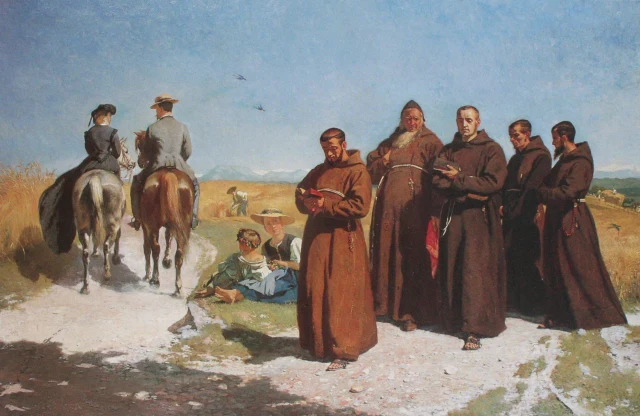
Born near Solothurn in 1828, Buchser had been restless long before America. He had roamed Morocco and Spain and was counted among the Orientalist painters for the sunlit scenes he brought back. His output ran to something like 1000 works, many of them quick oil sketches prized for their color and light. He died in Solothurn in 1890, the American portraits still in his studio and largely unseen in his lifetime.