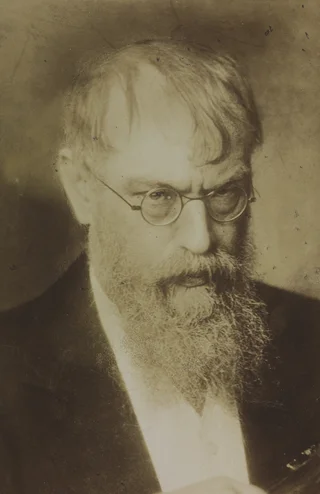
Franz von Lenbach
1836–1904 · Kingdom of Bavaria · Realism, Academic art, Salon painting
The story
By the 1880s, if you were a German statesman, industrialist, or celebrated artist and you wanted a portrait that mattered, you went to Franz von Lenbach in Munich. Contemporaries called him the Malerfürst, the painter prince, and he played the part. He built himself a grand villa and studio near the city's old gate and received visitors there in an elegant suit, palette in hand.
His great subject was Otto von Bismarck, the chancellor who had unified Germany. Lenbach painted him from 1878 onward and returned to that stern, heavy-browed face more than 80 times, until the Bismarck the public carried in its head was largely Lenbach's.
He worked in a way many painters of his standing quietly did but few admitted: from photographs. Lenbach used the camera constantly as a memory aid, which let him produce likenesses fast and in quantity, and it fed the complaint that his later portraits could feel formulaic.
He was born in 1836 to a mason's family in a Bavarian town, far from the salons he would come to rule. When he died in 1904, his Munich villa passed in time to the city, and today it is the Lenbachhaus, the museum that houses the bright canvases of the Blue Rider group he never lived to see.
Works
7 works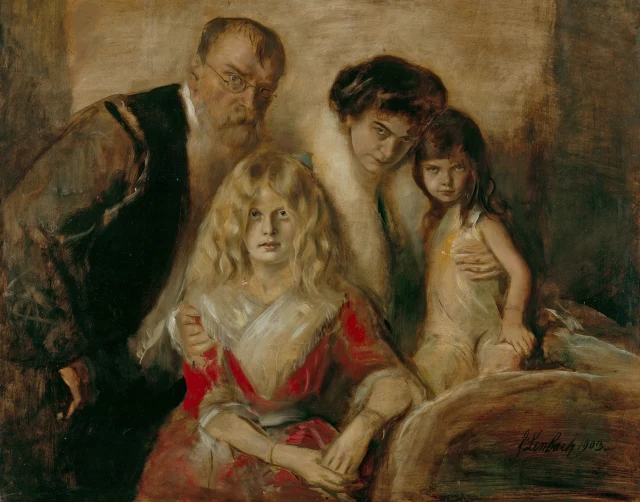 Franz von Lenbach with His Wife and DaughtersFranz von Lenbach, 1903
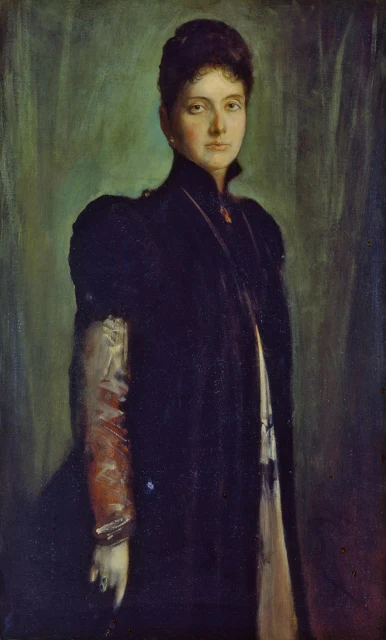 Marchesa di MontagliariFranz von Lenbach, 1885
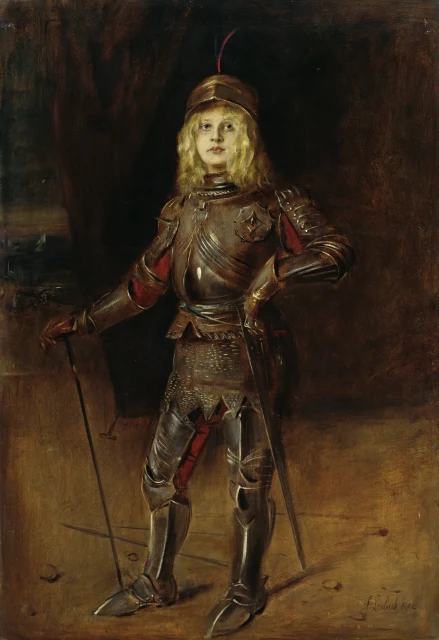 Marion Lenbach in ArmourFranz von Lenbach, 1902
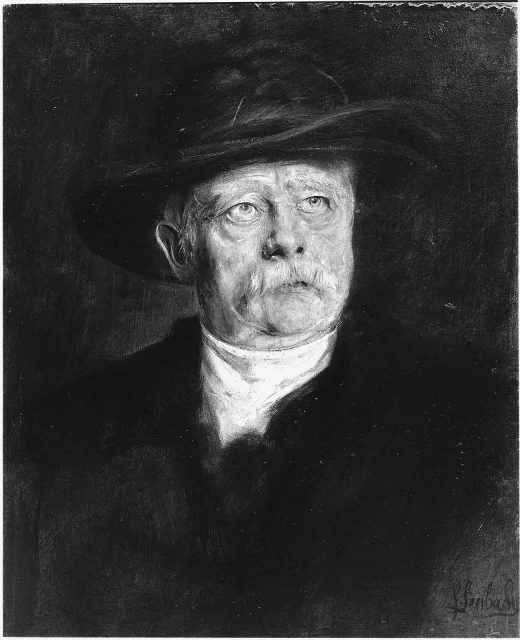 Otto BismarckFranz von Lenbach
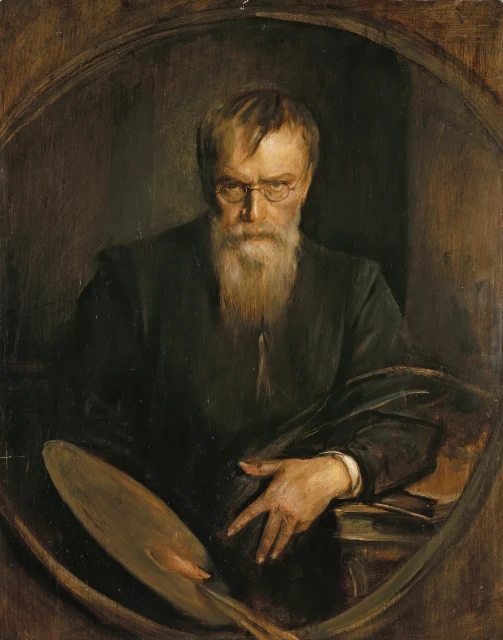 Self-PortraitFranz von Lenbach, 1902
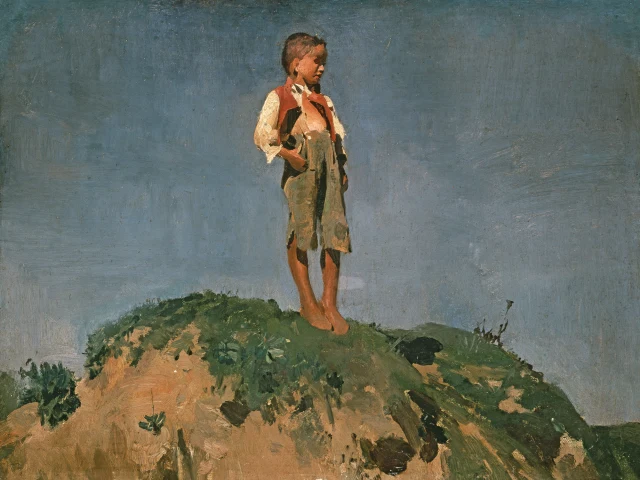 Shepherd Boy on a Grassy HillFranz von Lenbach, 1859
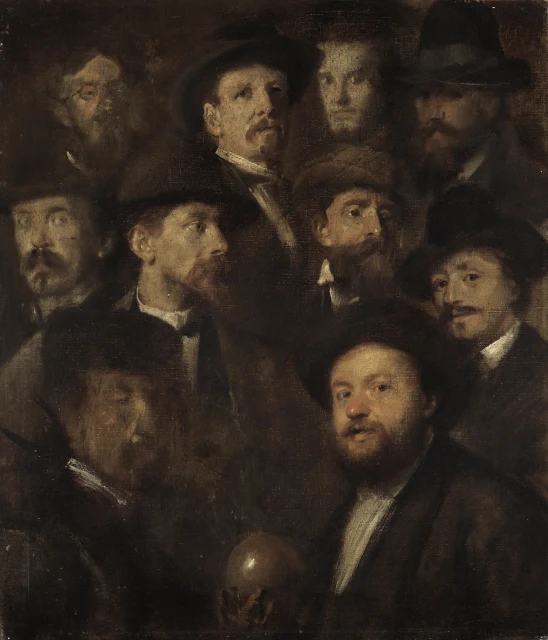 The Skittles Club – Ten Portraits of ArtistsFranz von Lenbach, 1862