George Peter Alexander Healy
1813–1894 · United States · Realism
The story
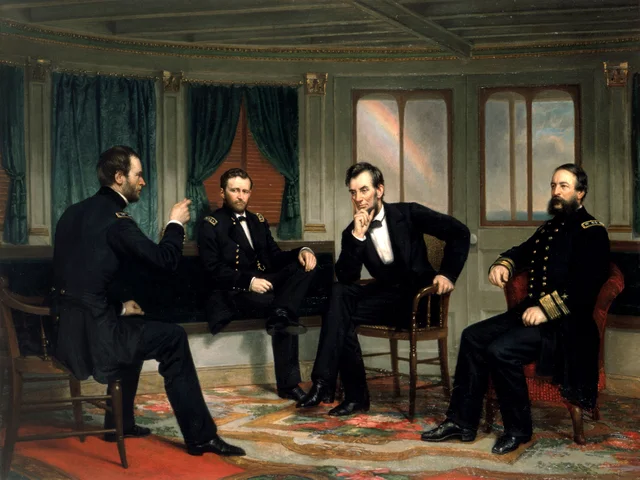
On a late March day in 1865, with the American Civil War almost over, Abraham Lincoln met three of his top commanders in the cabin of a steamboat called the River Queen to talk about how the fighting should end. No painter was in the room. Years later George Healy reconstructed that conversation in a canvas he titled The Peacemakers, with Lincoln leaning forward to listen and a rainbow visible through the window behind him. It has hung in the White House since 1947.
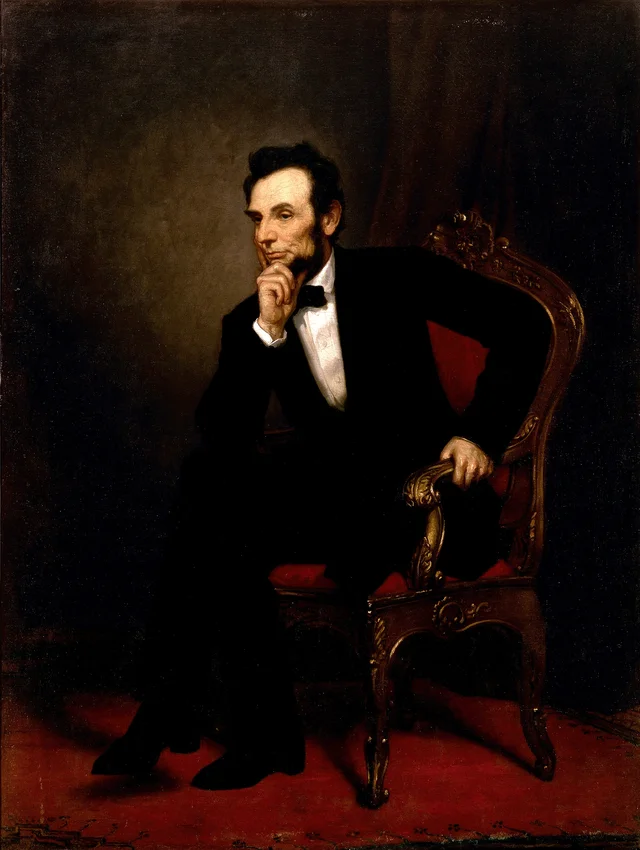
Healy was the man to paint it because he had spent his life in the company of the powerful. Born in Boston in 1813 to a poor Irish-American family, he sailed for Paris at 21 with almost no money and built one of the busiest portrait practices of the century, working on both sides of the Atlantic. He painted John Quincy Adams and Andrew Jackson near the ends of their lives, and in all more American presidents sat for him than for any other artist.
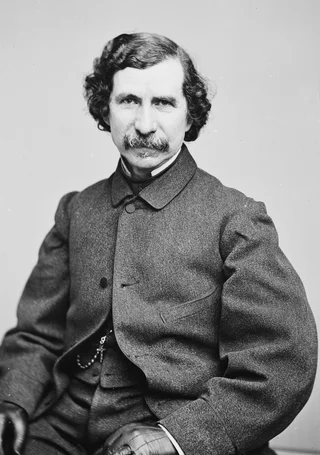
He was fast, reliable, and always in demand. Later critics tended to praise his likenesses more than his imagination, ranking him a superb professional among the century's portraitists. He kept studios in Paris and Chicago, crossed the ocean dozens of times, and finished his memoirs, Reminiscences of a Portrait Painter, the same year he died in Chicago in 1894.