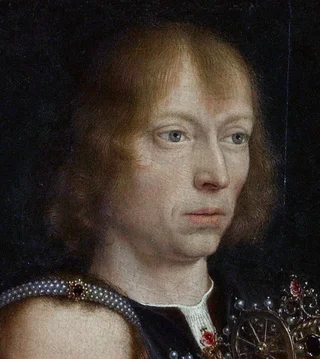
Gerard David
1523 · Burgundian Netherlands · Early Netherlandish painting
The story
By the time Gerard David settled in Bruges around 1484, the city's great age was already slipping. The harbour that had made it the trading capital of northern Europe was silting up, and merchants were drifting toward Antwerp. David inherited the workshop tradition of Jan van Eyck and Hans Memling, the earlier Bruges masters, and for a generation he kept the city's painting alive almost single-handedly.
In 1498 the town magistrates gave him a grim commission for their own council chamber, two large panels showing the Judgement of Cambyses. A corrupt judge named Sisamnes is arrested, then flayed alive, and his skin is stretched over the seat where the next judge will sit. David painted the flaying in cool, exact detail, the way you might record a fact. It hung where the aldermen deliberated, a reminder of what was expected of them.
Most of his work is quieter than that. His Madonnas and altarpieces have a still, devotional calm, with soft landscapes opening behind the figures, and he was among the first northern painters to give those backgrounds real weight. When David died in 1523 the centre of Netherlandish art had moved on to Antwerp, and his name faded so completely that scholars only recovered it in the 19th century, pieced back together from documents and the paintings themselves.
Works
21 works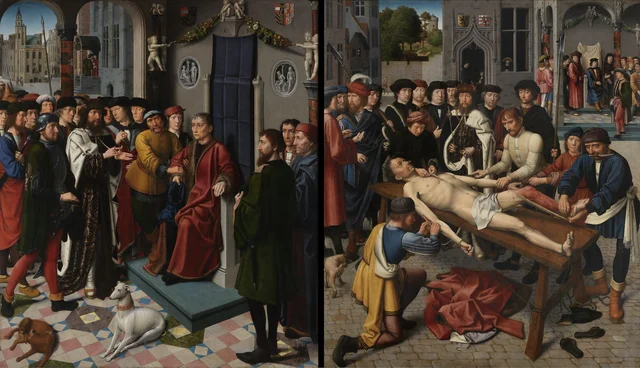 Judgement of CambysesGerard David, 1498
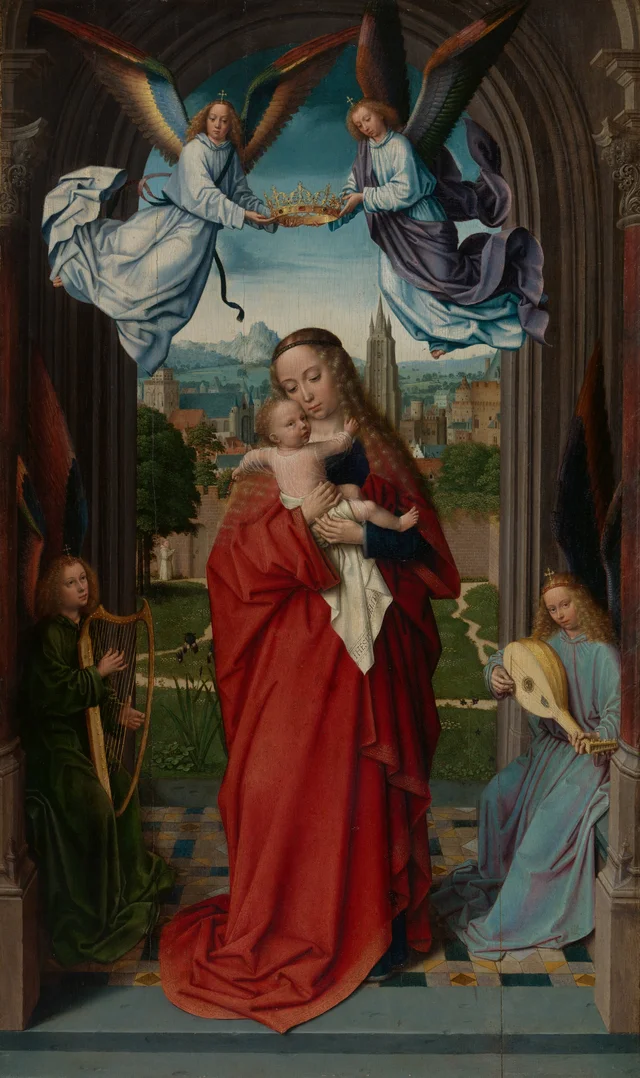 Virgin and Child with Four AngelsGerard David, 1510
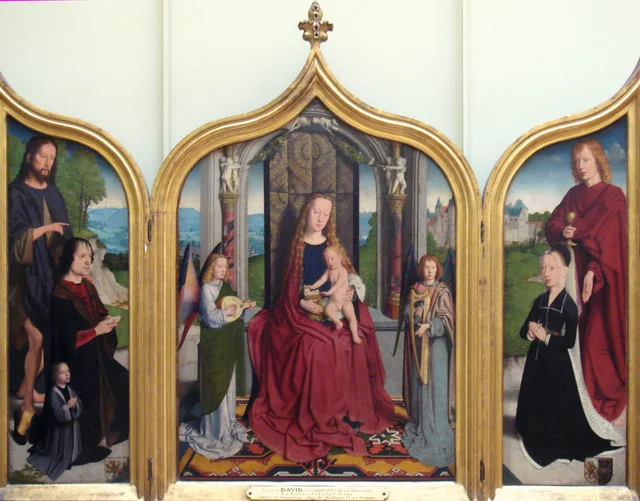 Triptych of the Sedano familyGerard David, 1492
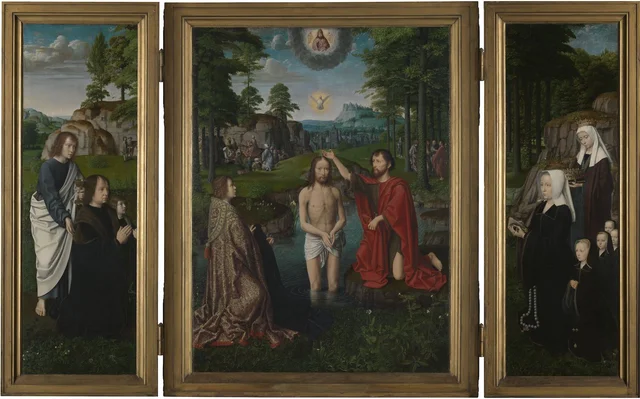 Baptism of ChristGerard David, 1505
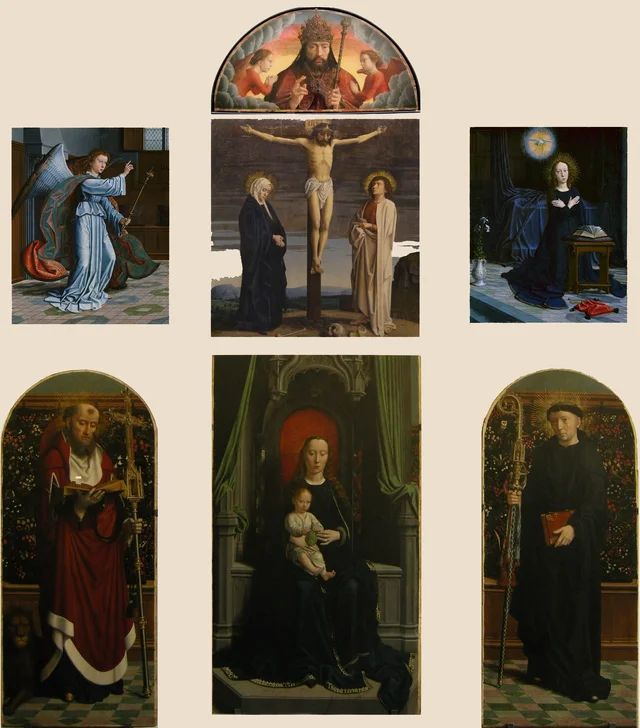 Cervara PolyptychGerard David, 1506
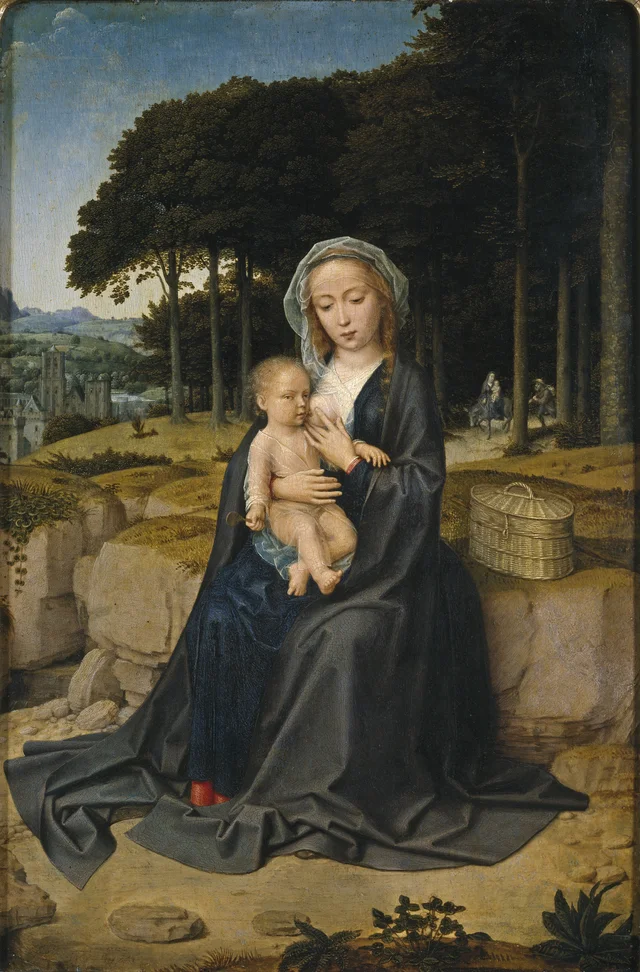 Rest on the Flight into EgyptGerard David, 1515
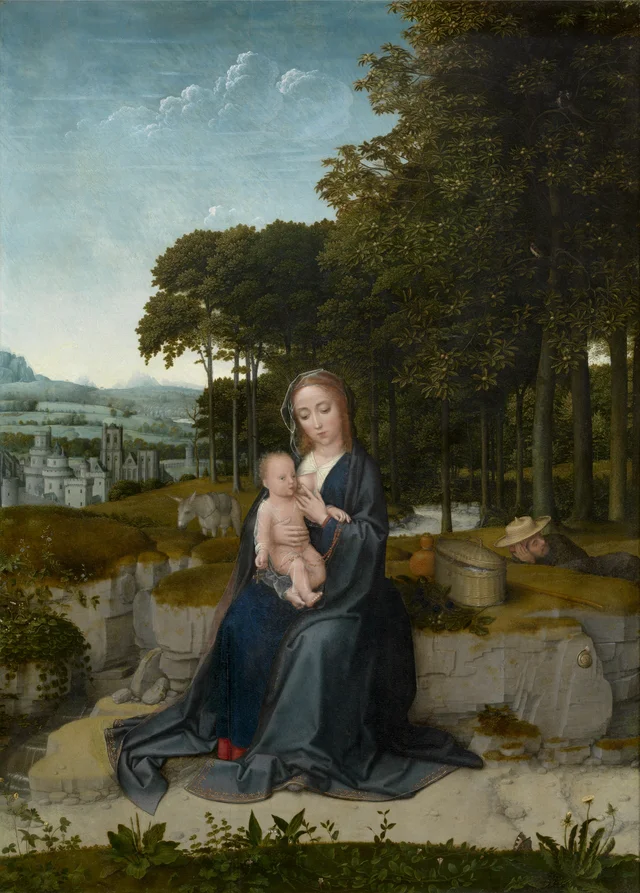 Rest on the Flight into EgyptGerard David, 1515
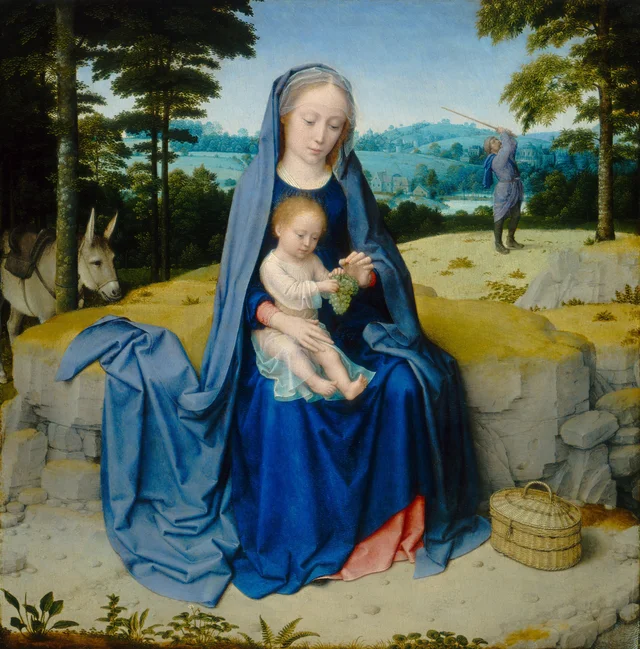 Rest on the Flight into EgyptGerard David, 1510
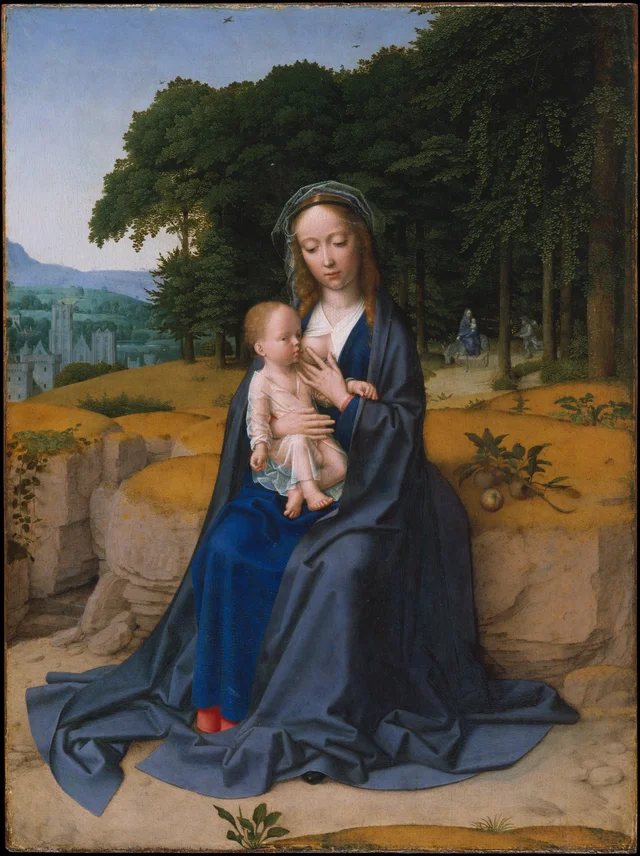 Rest on the Flight into EgyptGerard David, 1513
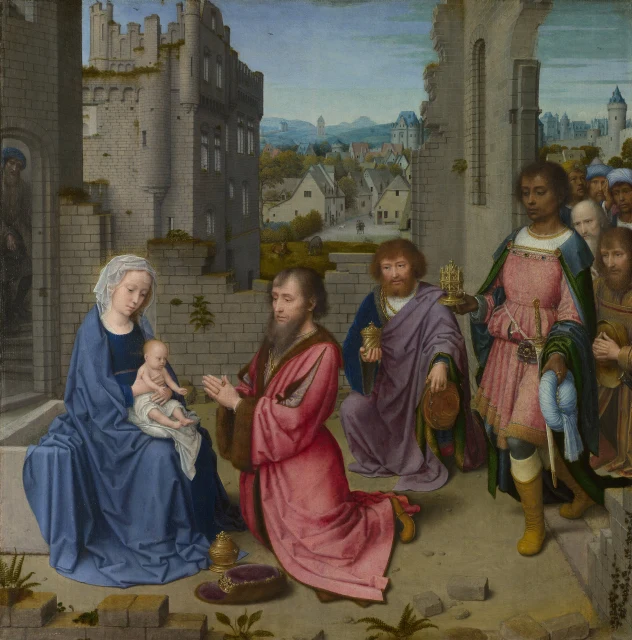 Adoration of the KingsGerard David, 1515
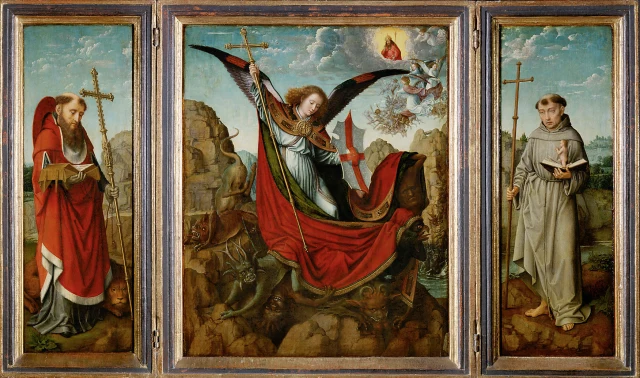 Altarpiece of the Archangel MichaelGerard David, 1510
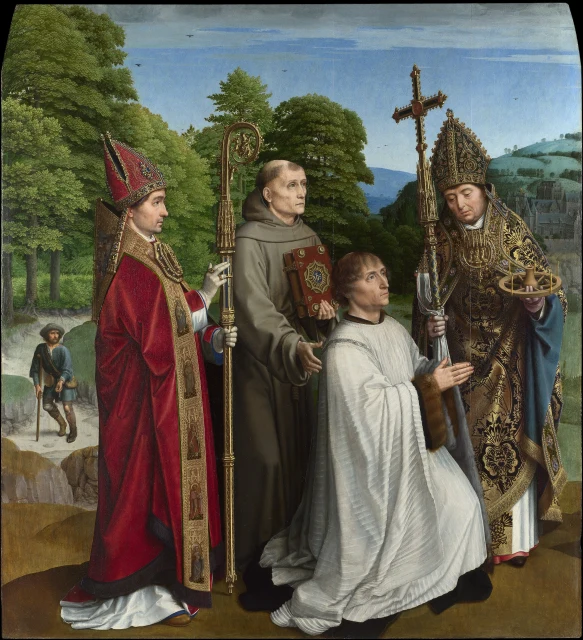 Canon Bernardijn Salviati and Three SaintsGerard David, 1501
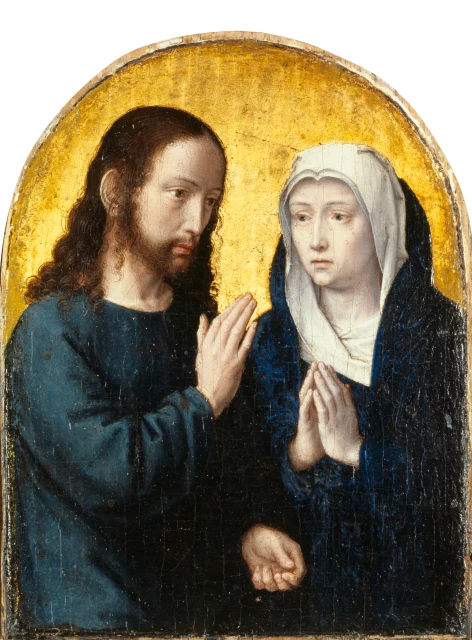 Christ bidding farewell to the VirginGerard David, 1492
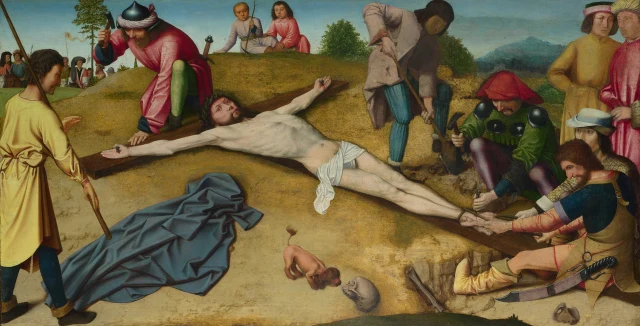 Christ Nailed to the CrossGerard David, 1481
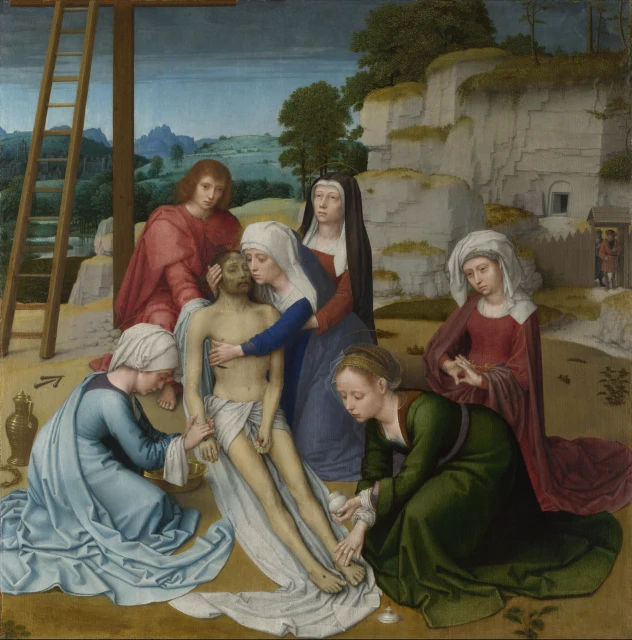 LamentationGerard David, 1519
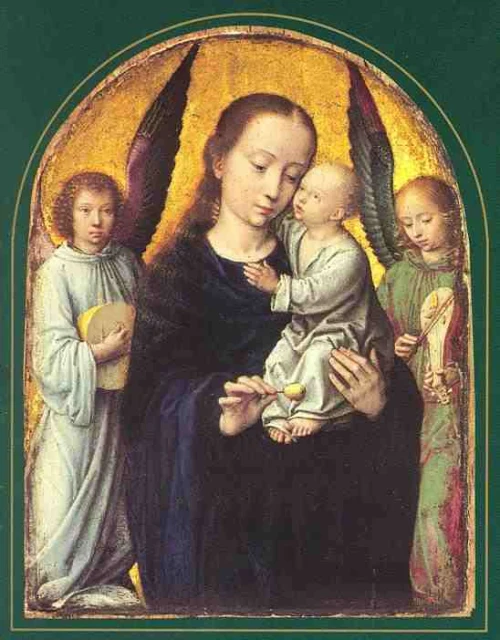 Mary and Child with two Angels Making MusicGerard David
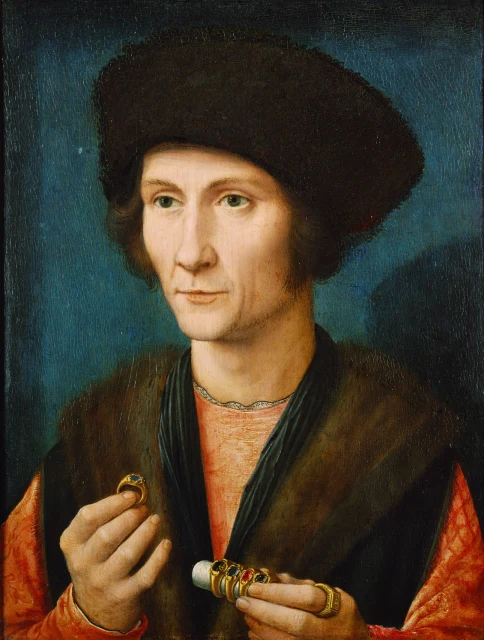 Portrait of a GoldsmithGerard David, 1507
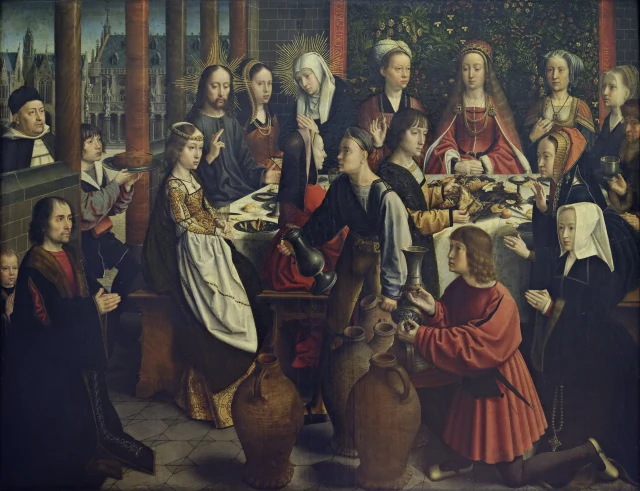 The Marriage at CanaGerard David, 1505
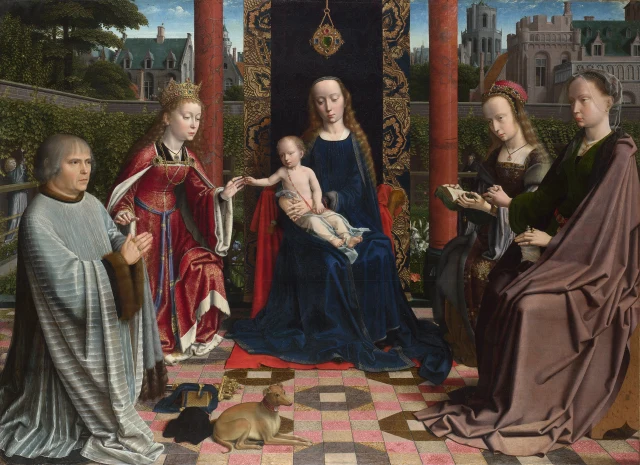 The Virgin and Child with Saints and DonorGerard David, 1510
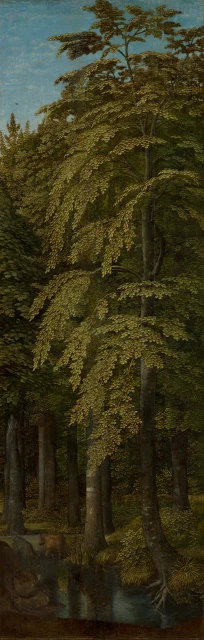 Wooded LandscapeGerard David, 1512