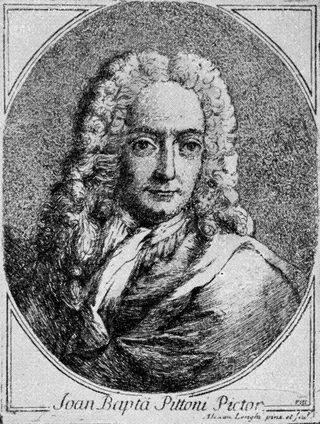
Giambattista Pittoni
1687–1767 · Republic of Venice · Baroque
The story
Most successful Venetian painters of the 1700s travelled for their patrons, to London, Madrid, the courts of Germany. Giambattista Pittoni did the opposite. After about 1720 he barely left Venice at all, yet the commissions came to him, from German princes and collectors across Europe who wanted his soft, brightly coloured altarpieces and mythologies.
He was a central figure in the city's art world in the age of Tiepolo, the great Venetian decorator of ceilings. When the painters of Venice founded their Academy of Fine Arts, Pittoni was among them, and in 1758 he became its second president, taking the chair over from Tiepolo himself.
His pictures belong to the Rococo, all pale silks, tender gestures and clear light, religious and classical scenes handled with an easy sweetness that buyers loved. Pittoni went on working in Venice until his death in 1767, at eighty, still sending altarpieces to churches and patrons beyond the Alps.
Works
8 works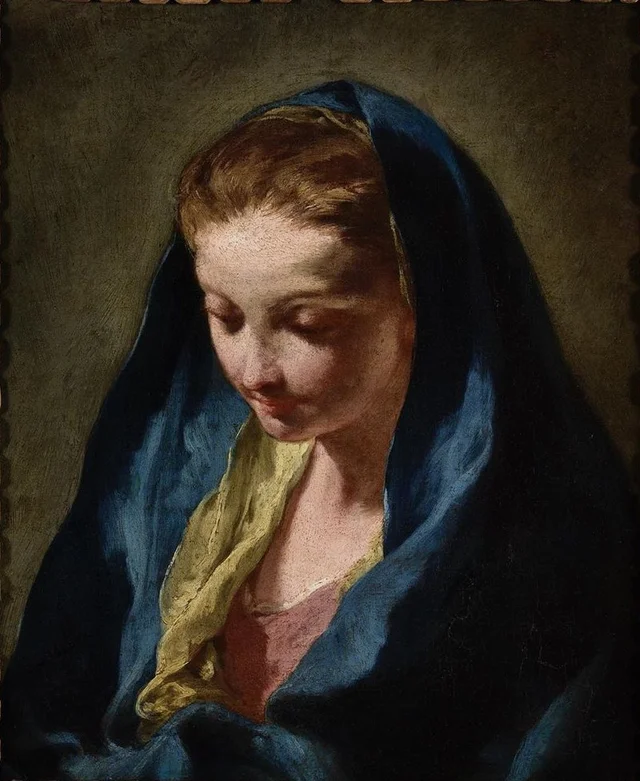 Head of the VirginGiambattista Pittoni, 1730
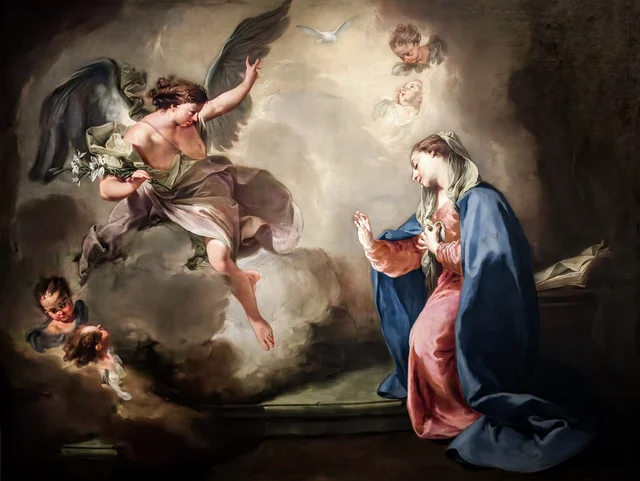 AnnunciationGiambattista Pittoni, 1757
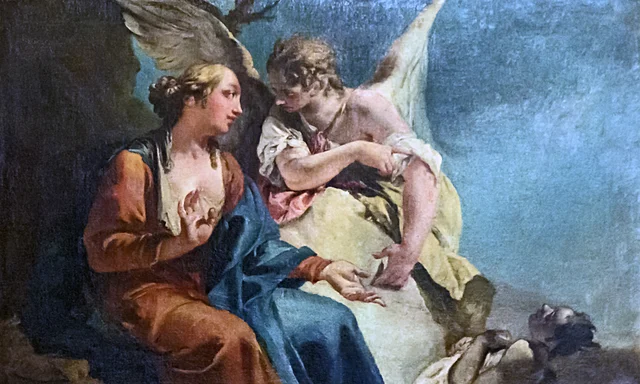 Hagar in the desertGiambattista Pittoni, 1720
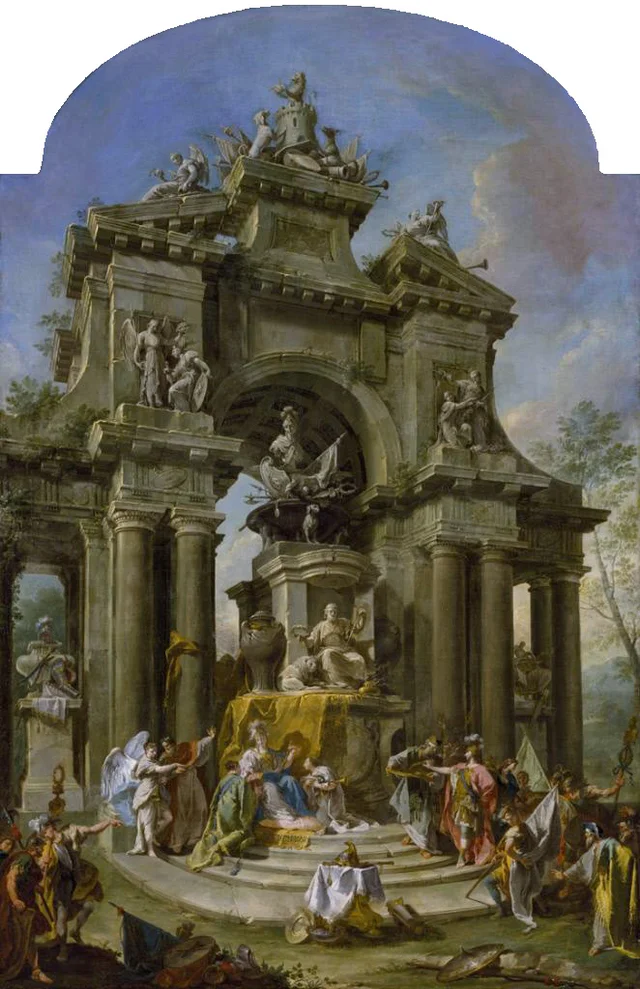 Memorial to James, First Earl of StanhopeGiambattista Pittoni, 1726
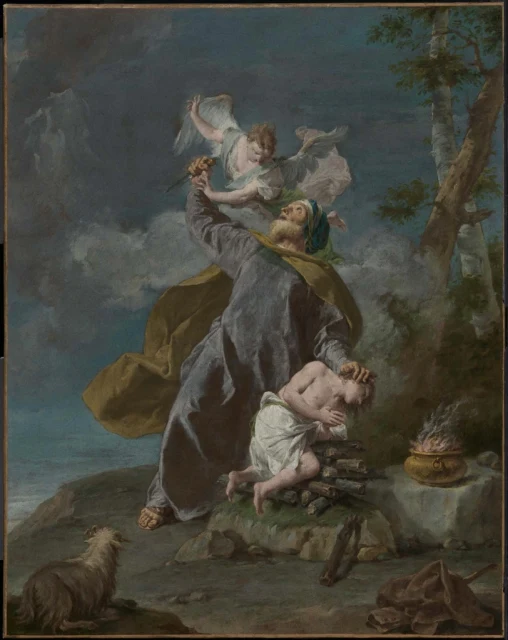 Abraham Sacrificing His Son IsaacGiambattista Pittoni, 1752
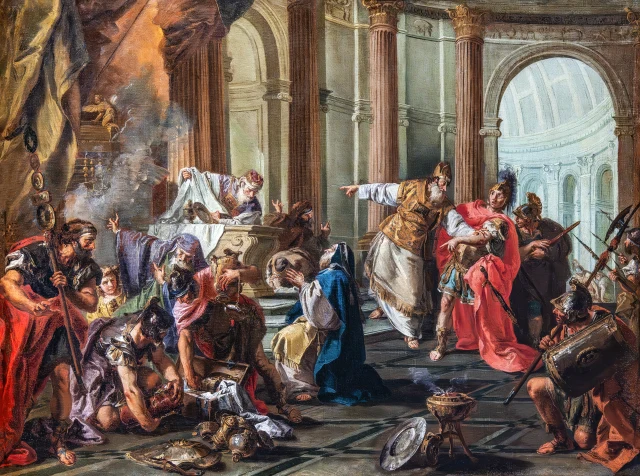 Crassus sacks the temple of JerusalemGiambattista Pittoni, 1743
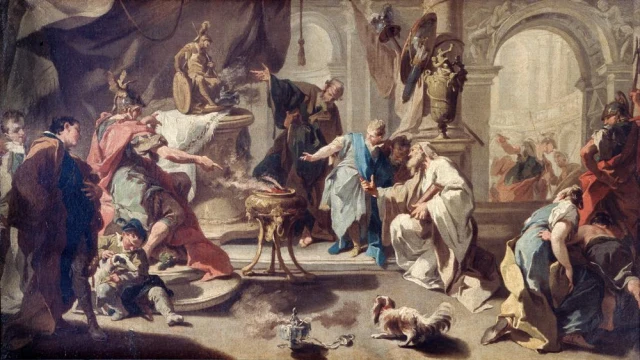 Hannibal Swearing Eternal Enmity of the RomansGiambattista Pittoni, 1723
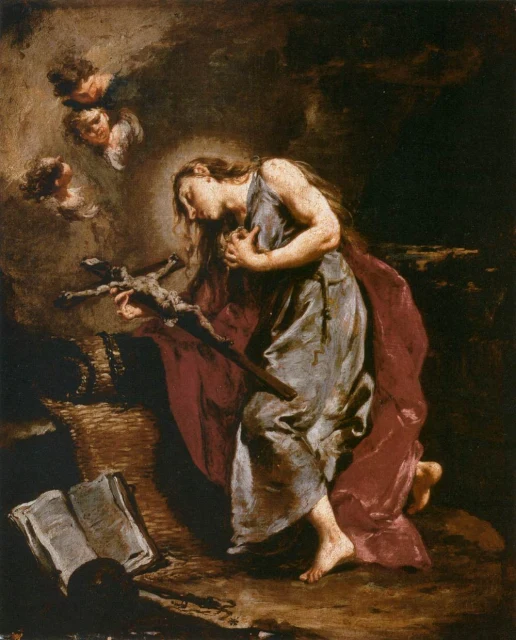 The MagdalenGiambattista Pittoni, 1745