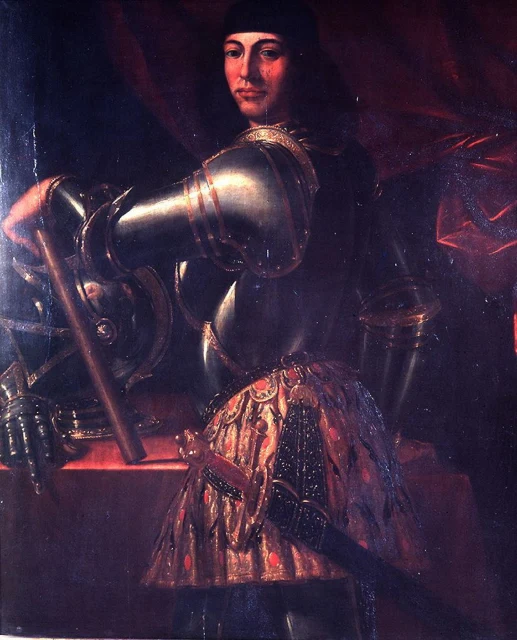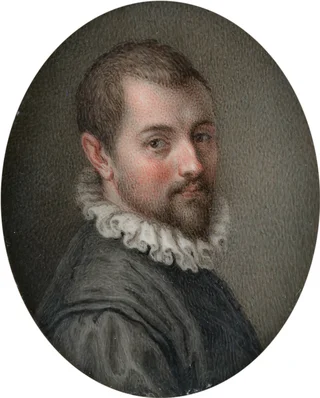
Giovanni Battista Paggi
1554–1627 · Republic of Genoa · Late Renaissance, Baroque
The story
In 1579 a young Genoese painter from a well-off family killed a man, reportedly a patron, in a dispute over payment, and fled his home city. Giovanni Battista Paggi took refuge in Tuscany, drifting through small towns before settling in Florence, where he shared a studio with Federico Zuccari, one of the most celebrated painters of the day.
Exile turned out to make his career. Working in Florence for two decades, he grew into a respected artist and thinker, convinced that painting was a nobilissima scienza, a most noble science, worthy of a gentleman's mind. That conviction had a practical edge. In 1590 he won a case against the Genoese painters' guild, which had barred outsiders and noblemen from working freely, and the city, eager for well-born men to bring it glory, decided in his favour.
He returned to Genoa around 1599, painted altarpieces across Liguria, and left behind a written treatise arguing his lifelong point that the painter belonged among the learned.