Gustave Boulanger
1824–1888 · France · Orientalism
The story
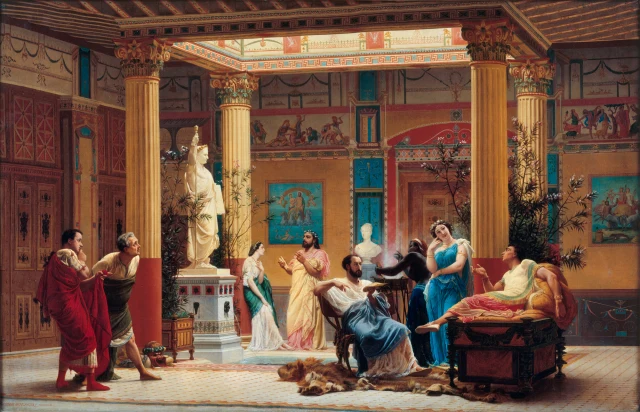
In 1861 Gustave Boulanger painted a strange scene of modern actors in togas rehearsing a play inside the marble atrium of a Roman house. The house was real and brand new. Prince Napoleon, a cousin of the emperor Napoleon III, had just built himself a full-scale Pompeian villa in Paris, and Boulanger's picture recorded an actual evening of theatre held there.
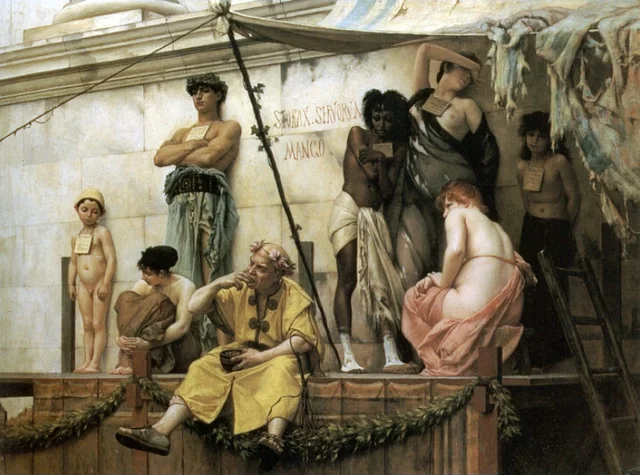
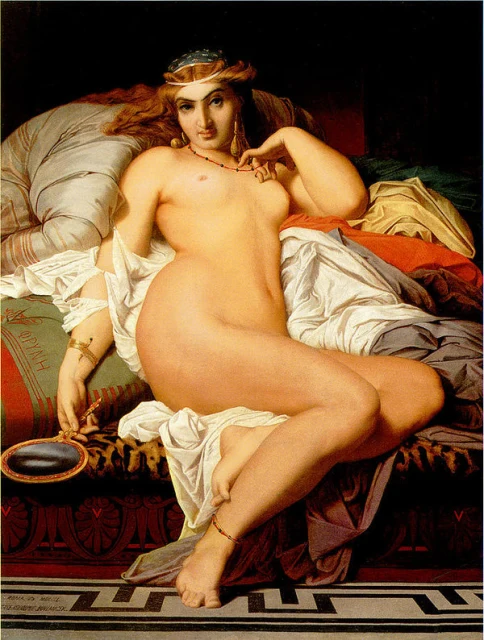
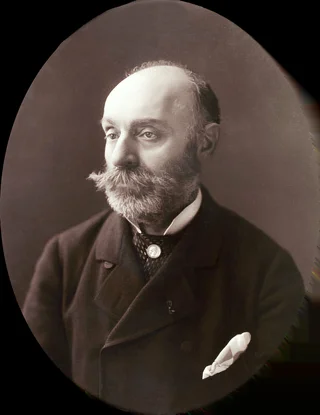
That mix of archaeology and spectacle ran through his whole career. Orphaned at 14, he was sent to train under Paul Delaroche, a leading history painter, won the Prix de Rome in 1849, and spent six years in Italy, where visits to the excavations at Pompeii gave him subjects for life. An early trip to Algeria added the Orientalist scenes he shared with his friend Jean-Léon Gérôme, another polished academic painter.
By the 1880s he sat in the Institut de France, the body that ran the official art world, and taught its studios, where he was known for disliking the Impressionists then changing painting around him. His reconstructions were praised for getting the Roman detail right, down to the furniture and the folds of the cloth.