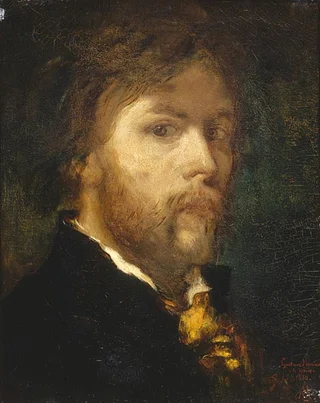
Gustave Moreau
1826–1898 · France · Symbolism
The story
Gustave Moreau spent his life painting jewelled, dreamlike scenes from myth and scripture, dense with detail and often built around a single figure. His Salome, shown at the Paris Salon of 1876, made him famous, the biblical dancer standing amid glittering ornament as she asks for the head of John the Baptist. Critics filed him under Symbolism, the movement that preferred inner visions to the everyday world the Impressionists were painting outdoors.
The surprising part came late. In 1892 Moreau took a teaching post at the École des Beaux-Arts, the official Paris art school, and turned out to be an unusually free teacher. He sent his students to copy in the Louvre and pushed them to follow their own instincts rather than his. Among the young men in his studio were Henri Matisse and Georges Rouault, who within a few years would help launch Fauvism, the movement of wild, unnatural colour.
Moreau lived in a tall house in Paris that he gradually turned into a museum of his own work. On his death in 1898 he left it, along with around 8,000 paintings and drawings, to the French state. It opened as the Musée Gustave Moreau, and Rouault, his favourite pupil, became its first curator.
Works
9 works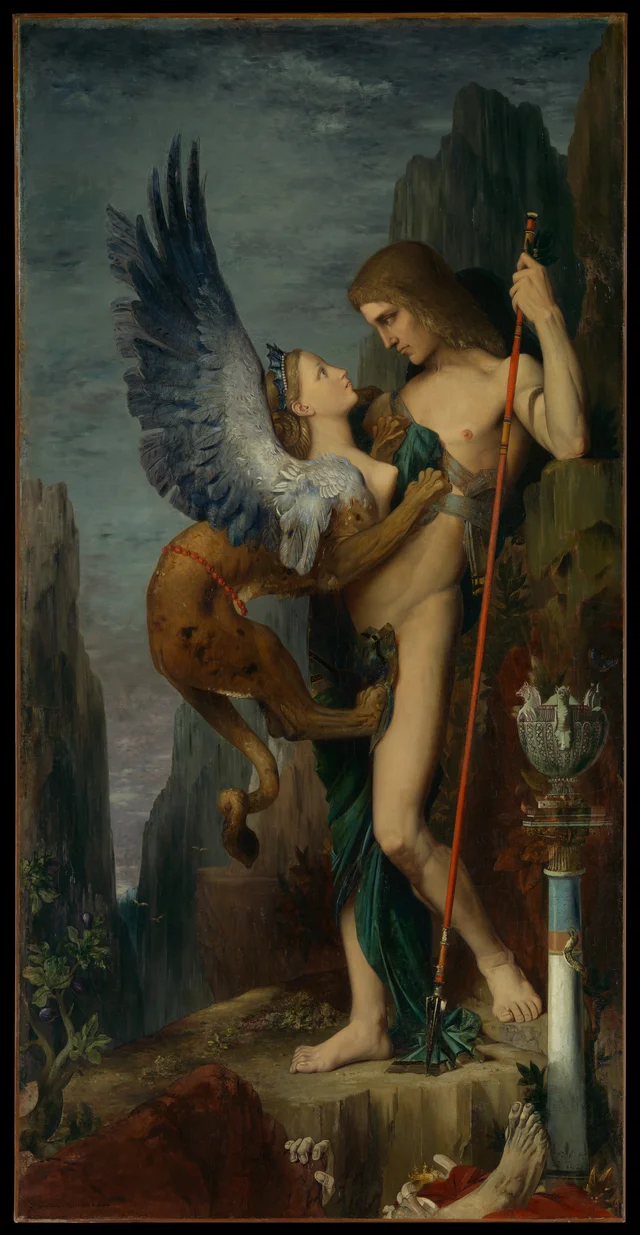 Oedipus and the SphinxGustave Moreau, 1864
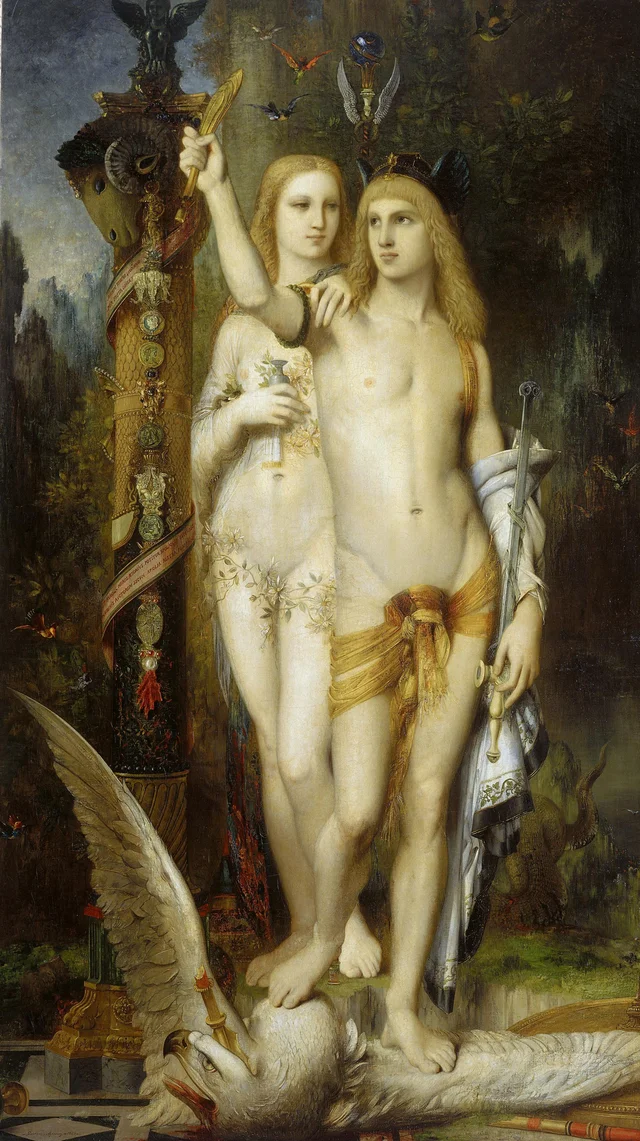 JasonGustave Moreau, 1865
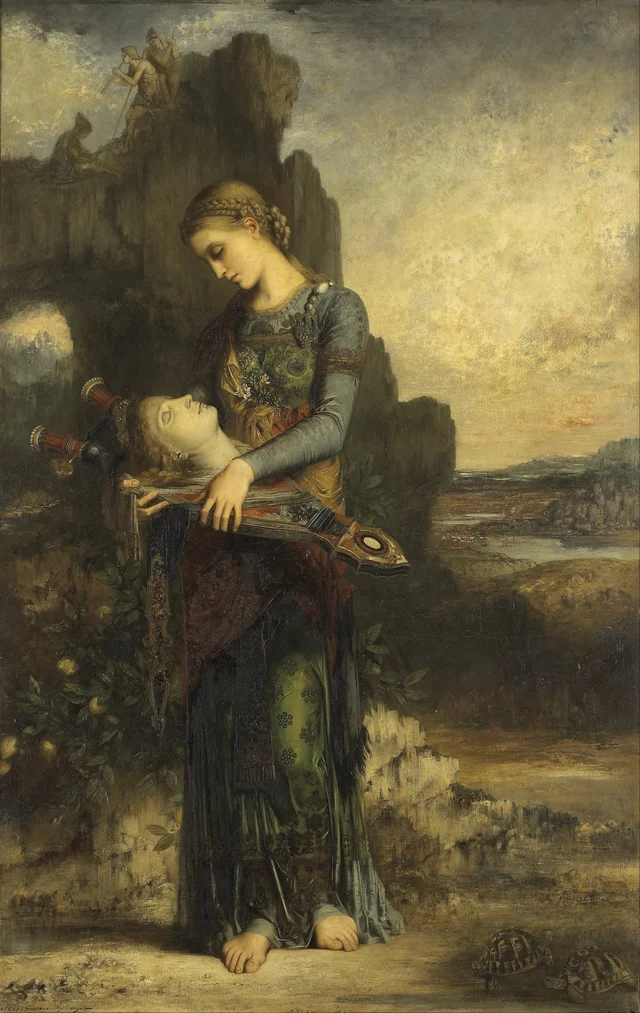 OrpheusGustave Moreau, 1865
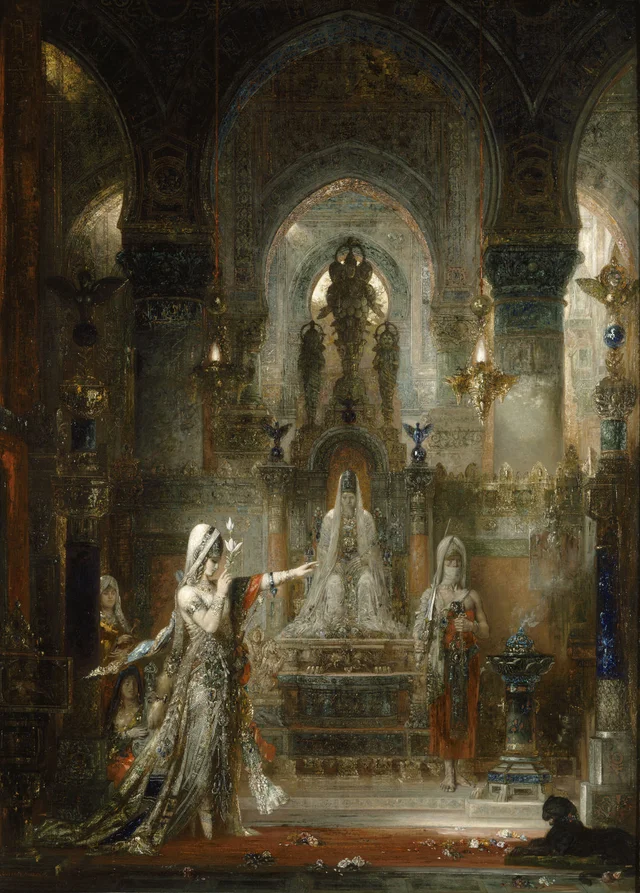 Salomé Dancing before HerodGustave Moreau, 1876
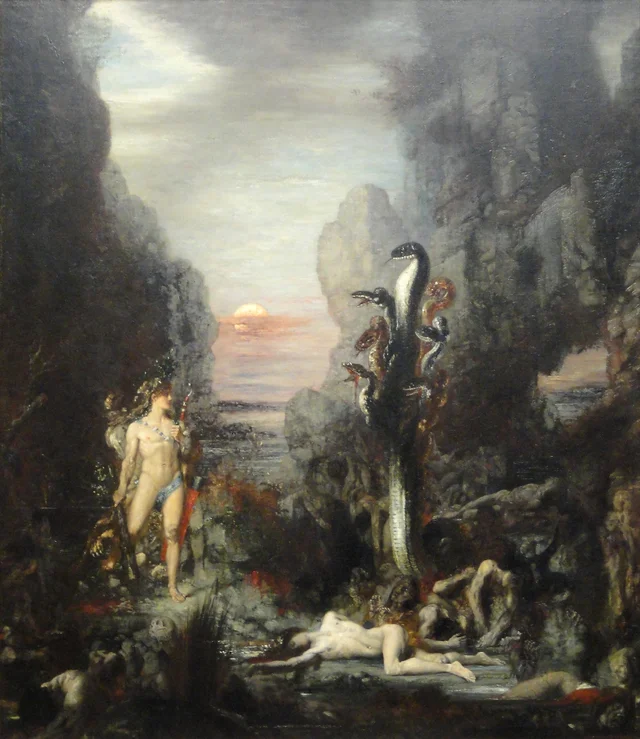 Hercules and the Lernaean HydraGustave Moreau, 1876
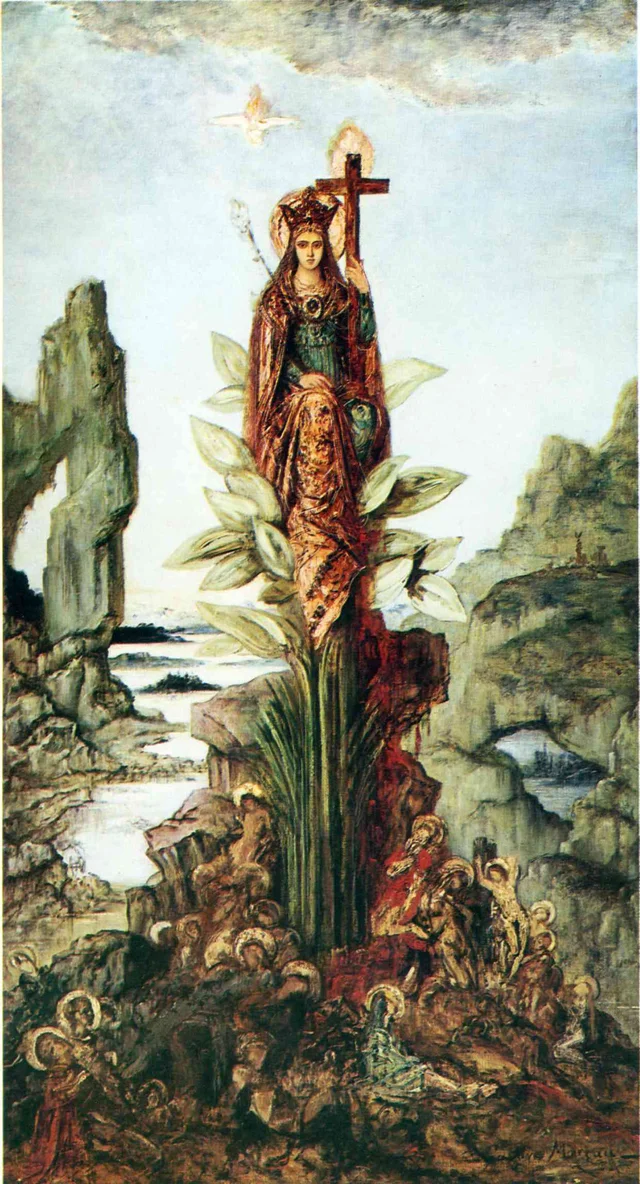 Mystic FlowerGustave Moreau, 1890
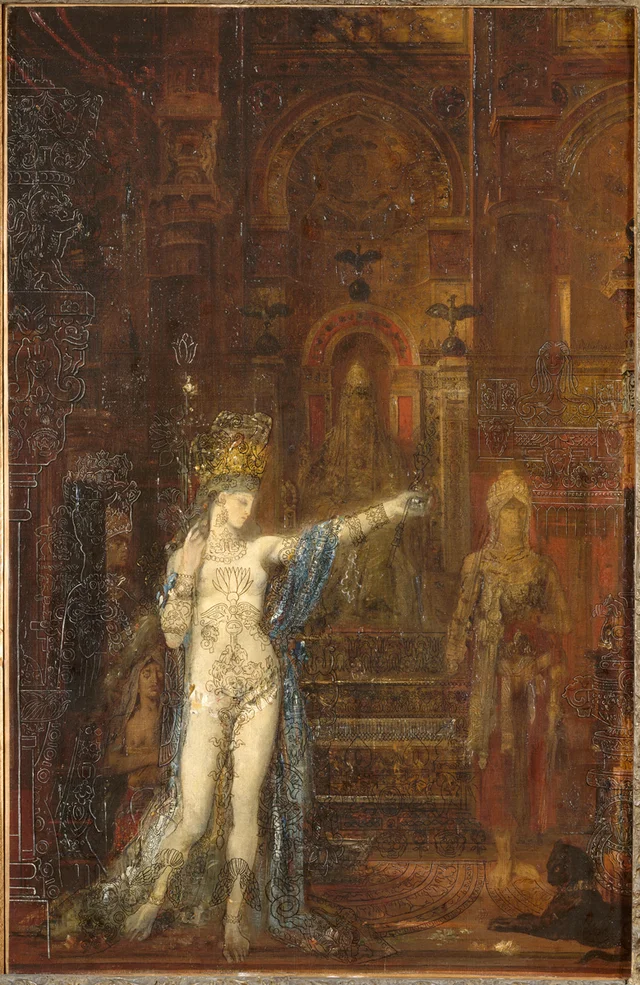 SalomeGustave Moreau, 1874
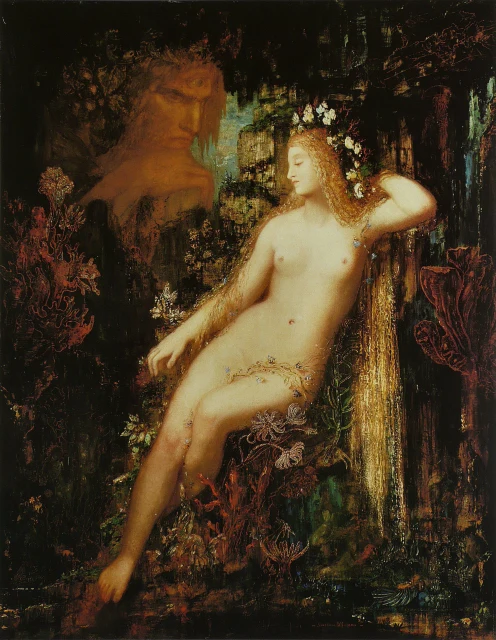 GalateaGustave Moreau, 1880
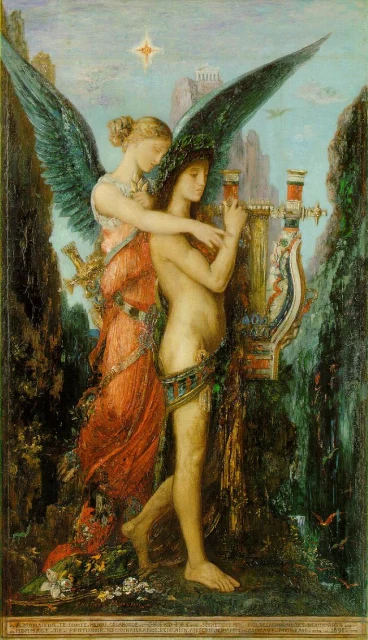 Hesiod and the MuseGustave Moreau, 1891