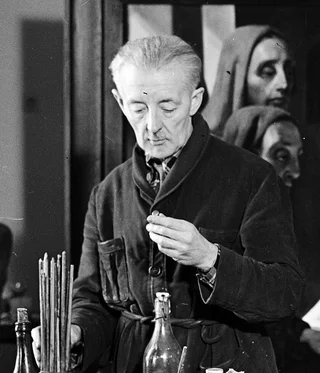
Han van Meegeren
1889–1947 · Kingdom of the Netherlands · Modernism
The story
In 1945, with the Netherlands just freed from German occupation, a middling Dutch painter named Han van Meegeren was arrested as a collaborator. Investigators had traced a newly discovered painting by the 17th-century master Vermeer, sold during the war to Hermann Goring, one of Hitler's most senior men, straight back to him. Selling a national treasure to the enemy could mean death.
Van Meegeren's defence was astonishing. The Vermeer was no Vermeer, he said. He had painted it himself, along with several other supposed Vermeers that Dutch museums and collectors had bought for fortunes in the preceding years. To prove it, he was given canvas and old-recipe paints and produced a fresh fake under guard.
He had fooled the leading experts by inventing a whole lost religious phase of Vermeer's career and ageing his surfaces with cunning chemistry. The collaboration charge collapsed, and a public that had loathed him now half-admired the man who had swindled Goring. Convicted instead of forgery in 1947, van Meegeren was sentenced to a year, and died of a heart attack weeks later, before serving a day.
Works
8 works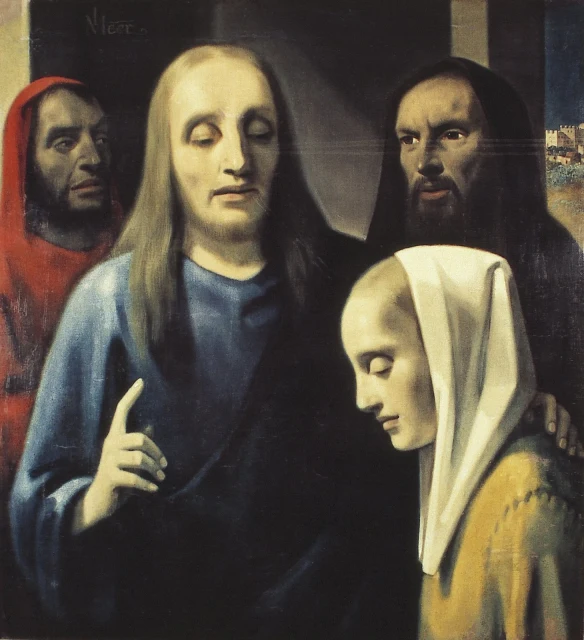 Christ with the AdulteressHan van Meegeren, 1942
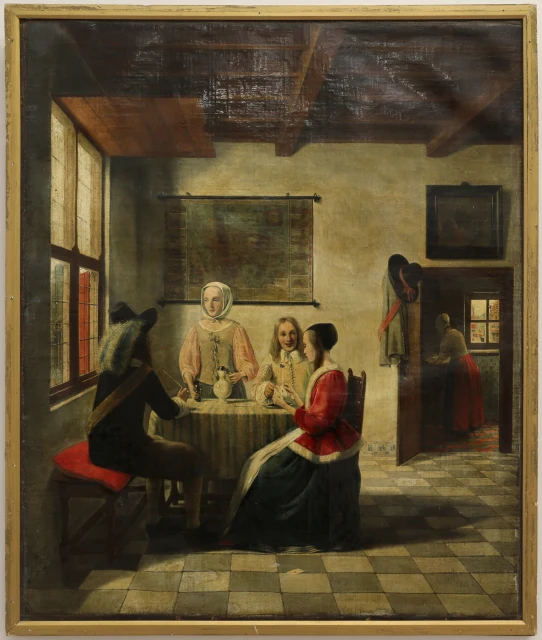 Interior with Card PlayersHan van Meegeren, 1938
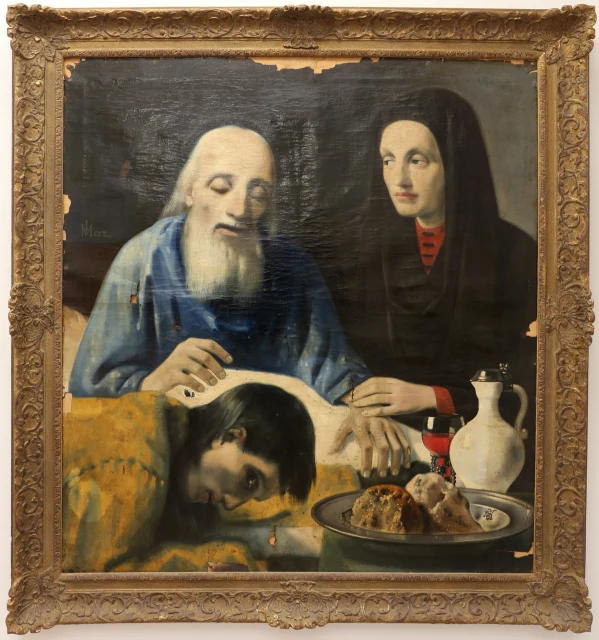 Isaac Blessing JacobHan van Meegeren, 1941
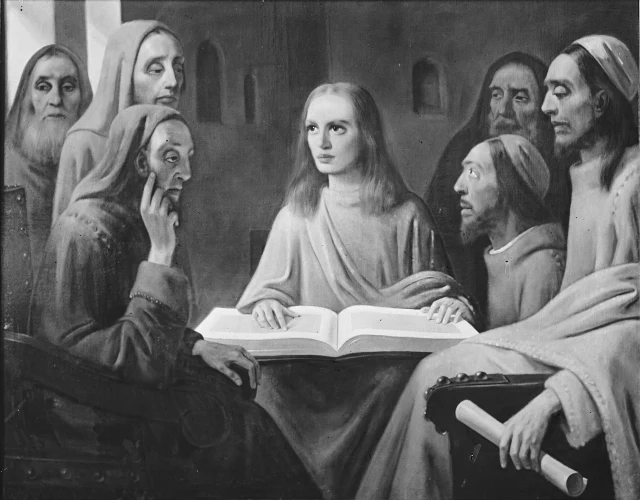 Jesus among the DoctorsHan van Meegeren, 1945
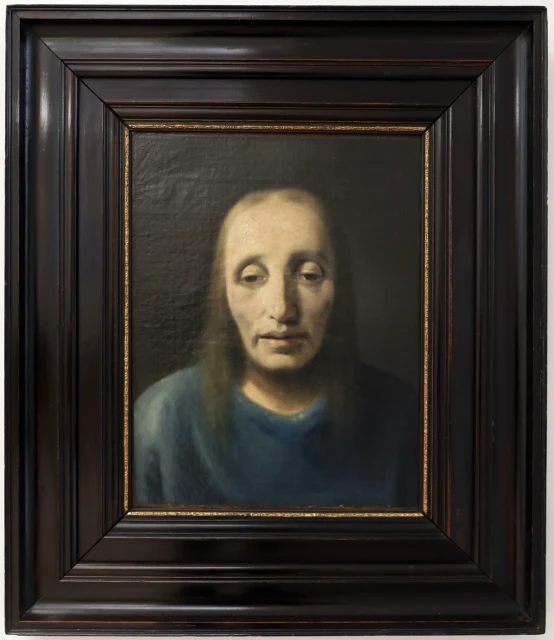 The Head of ChristHan van Meegeren, 1940
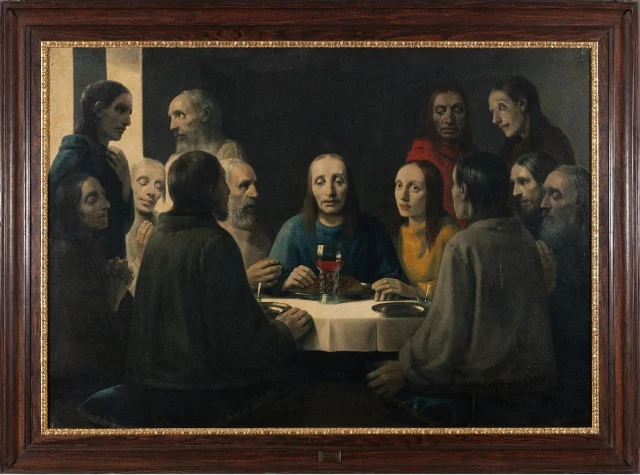 The Last SupperHan van Meegeren, 1941
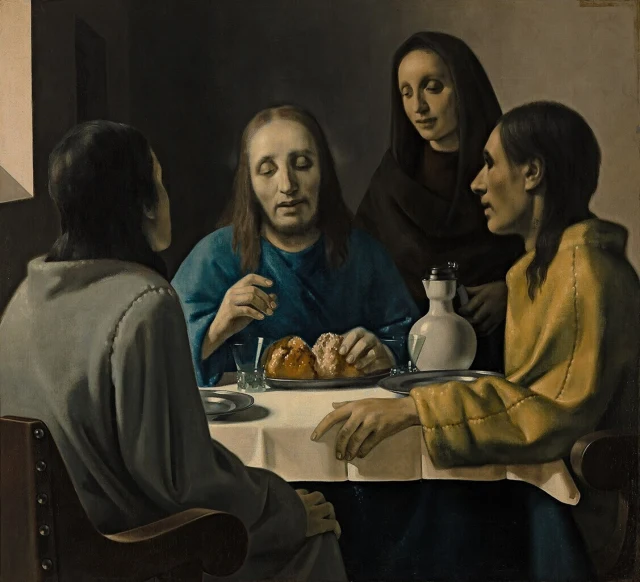 The Supper at EmmausHan van Meegeren, 1937