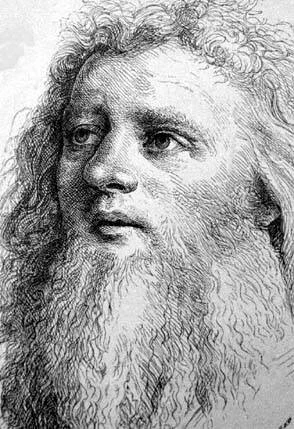
Hans Holbein the Elder
1465–1524 · Holy Roman Empire · German Renaissance
The story
The name Hans Holbein usually calls up the younger one, the man who painted Henry VIII and his court. This is his father, who ran a busy workshop in Augsburg in southern Germany around 1500 and trained that son along with his other son Ambrosius, also a painter.
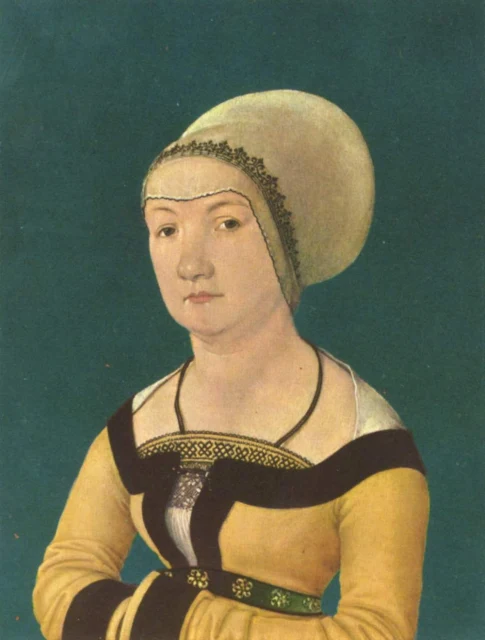
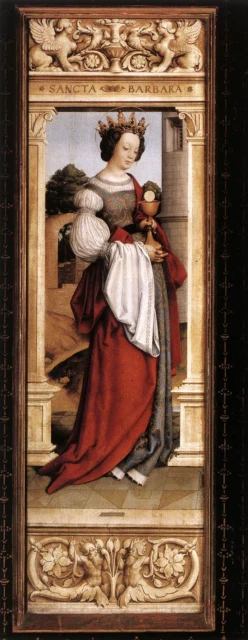
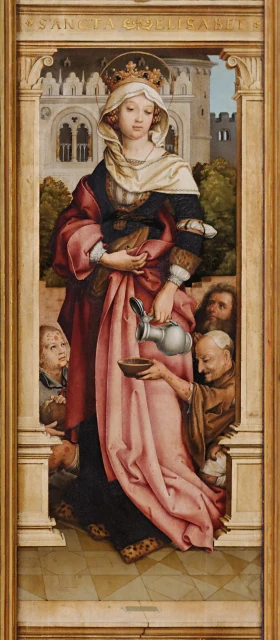
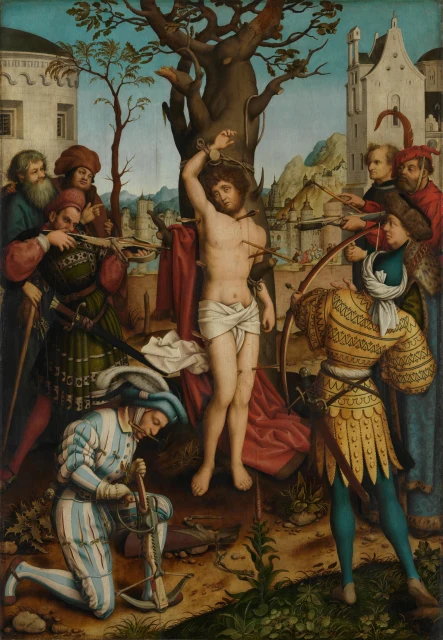
Holbein the Elder turned out altarpieces for the churches of the region, among them a Passion cycle painted almost entirely in shades of gray to look like carved stone. His early panels glow with the bright color of late Gothic art, and his later ones let in the newer Italian sense of space and volume. He worked on the seam between two eras.
What holds up best are his portrait drawings in silverpoint, a fine metal stylus on prepared paper that allows no corrections. He filled sheets with sharp, honest faces of ordinary sitters, and they point straight ahead to what his son would do. He died around 1524, having left the first large surviving body of drawings by any named German artist.