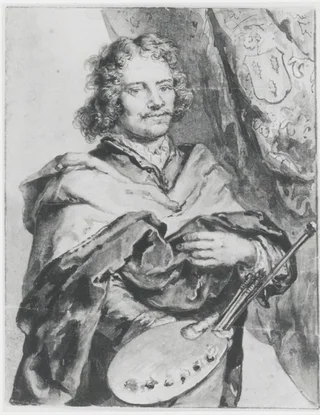
Hendrick ter Brugghen
1588–1629 · Dutch Republic · Utrecht Caravaggism
The story
Around 1607 a young Dutchman arrived in Rome, just as the shockwaves of Caravaggio were still moving through the city's studios. Hendrick ter Brugghen stayed the better part of a decade, long enough to absorb the new painting at close range: figures lit as if by a single candle, saints with the faces and rough hands of ordinary people. He may have been among the last northern visitors who could still have seen Caravaggio himself at work.
Back in Utrecht from about 1614, he became a leader of the group later called the Utrecht Caravaggisti, painting musicians, drinkers and gospel scenes in that same raking light. His "Saint Sebastian Tended by Irene" of 1625, now at Oberlin College in Ohio, shows the wounded saint slumped in near-darkness while two women work to free him, the whole drama carried by a low, cold light.
He died young, in 1629, at about 41, and his work then slipped out of fashion for centuries. It was the 20th-century rediscovery of Caravaggio's followers that brought him back, and the Flemish master Rubens is said to have singled him out as the finest of the Utrecht painters on a visit north.
Works
11 works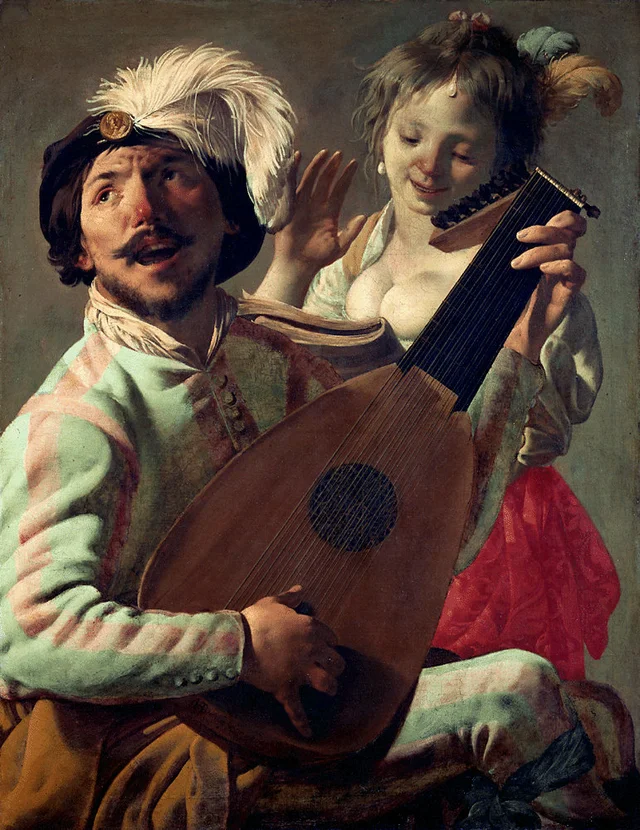 DuetHendrick ter Brugghen, 1628
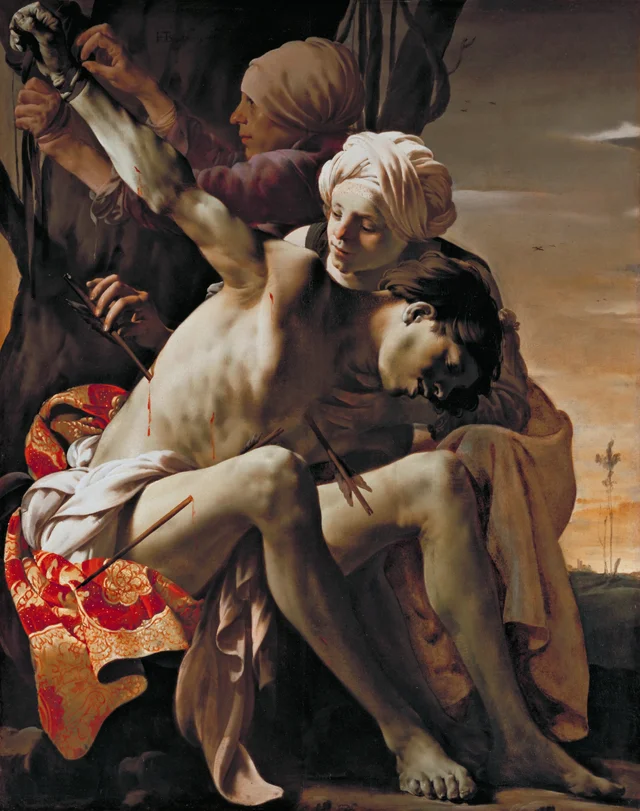 Saint Sebastian Tended by IreneHendrick ter Brugghen, 1625
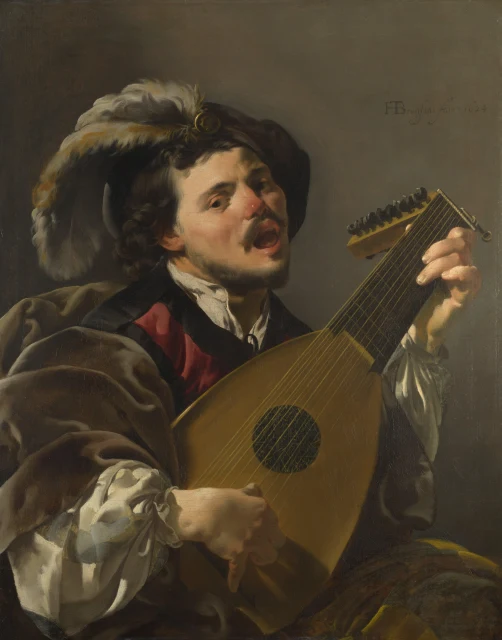 A Man playing a LuteHendrick ter Brugghen, 1624
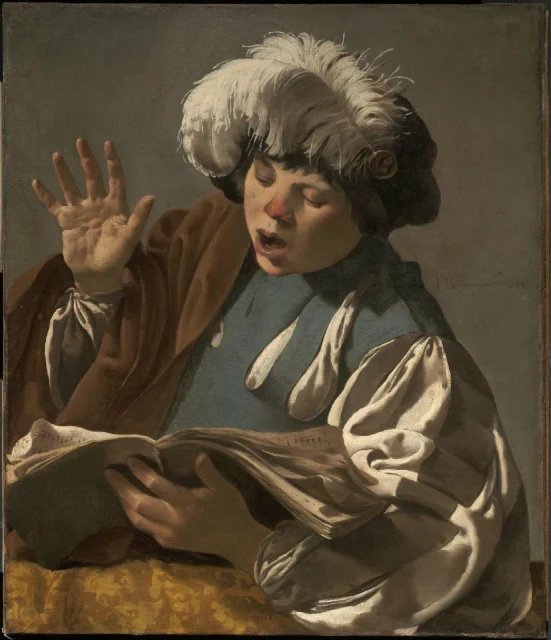 Boy SingingHendrick ter Brugghen, 1627
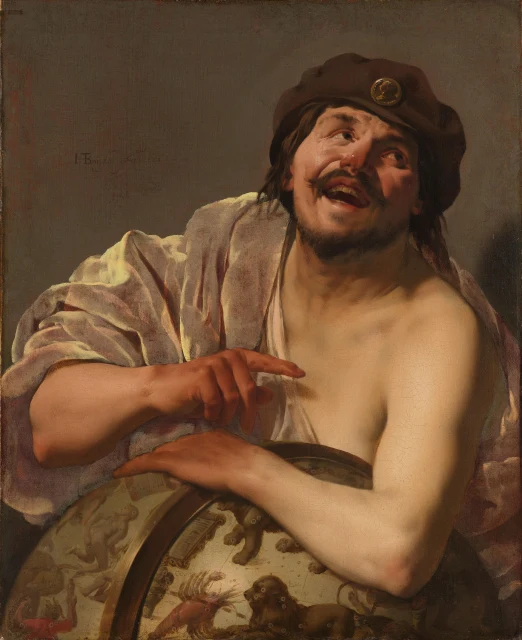 DemocritusHendrick ter Brugghen, 1628
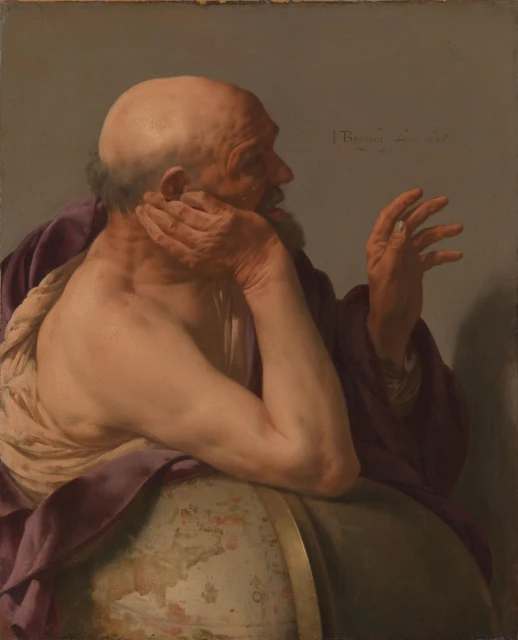 HeraclitusHendrick ter Brugghen, 1628
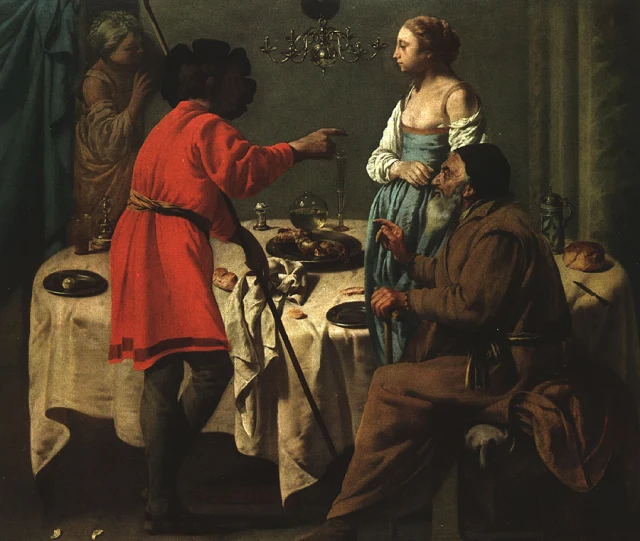 Jacob reproaching LabanHendrick ter Brugghen, 1627
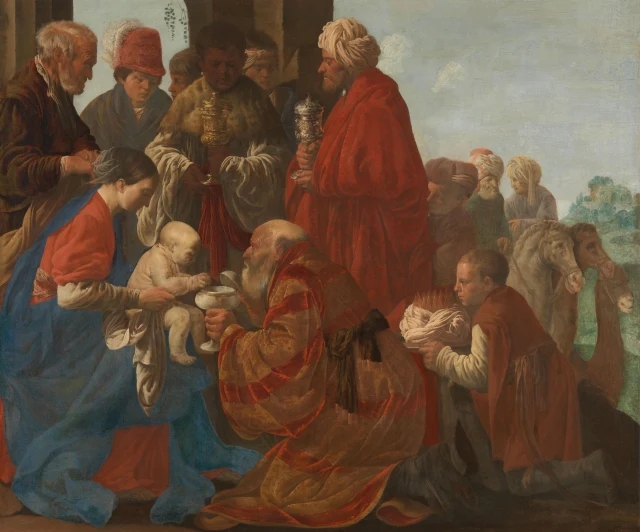 The Adoration of the MagiHendrick ter Brugghen, 1619
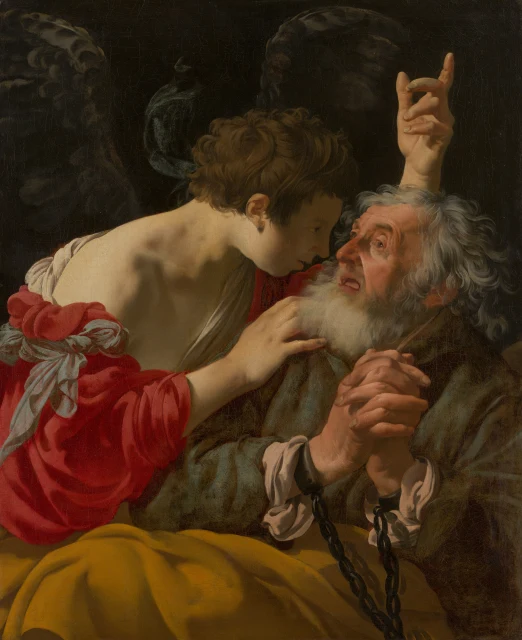 The Liberation of PeterHendrick ter Brugghen, 1624
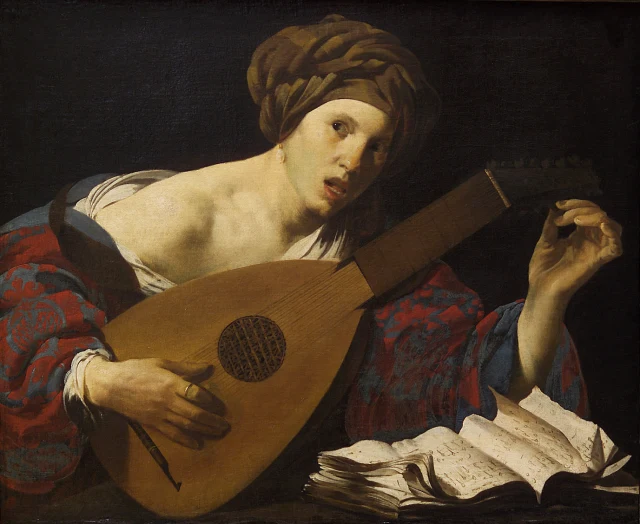 The Lute PlayerHendrick ter Brugghen, 1626
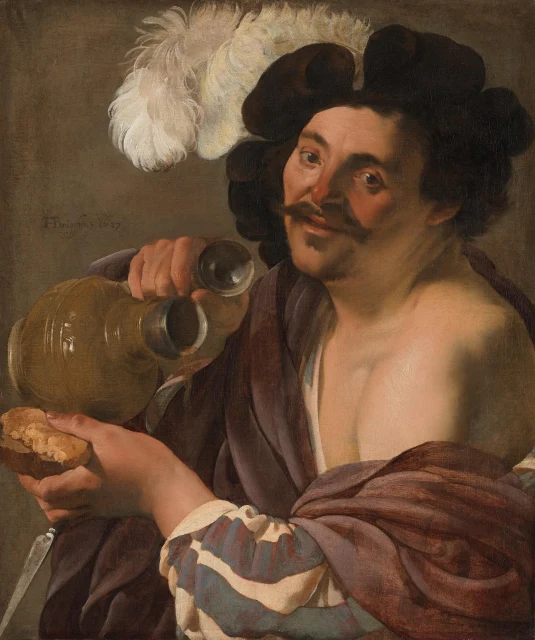 The RevellerHendrick ter Brugghen, 1627