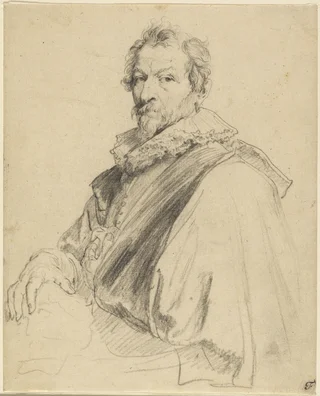
Hendrick van Balen the Elder
1570–1632 · Habsburg Netherlands · Baroque
The story
Around 1609, a boy of about ten was signed into the Antwerp studio of Hendrick van Balen. The boy was Anthony van Dyck, who would grow into one of Europe's great portraitists, and van Balen was the master who first taught him to handle paint.
Van Balen himself made a particular kind of picture: small, jewel-like mythological and allegorical scenes, often on smooth copper plates, gods and nymphs set in glowing little landscapes for collectors' cabinets. He had travelled to Italy as a young man and brought back a taste for the classical subjects that filled his work for 30 years.
Like most Antwerp painters he worked in partnership. He often supplied the figures for the flower garlands and wooded scenes of Jan Brueghel the Elder, a close colleague and one of the city's most sought-after landscape hands, each man painting what he did best. Van Balen kept his busy workshop going until he died in Antwerp in 1632, and his son Jan carried the name on.
Works
6 works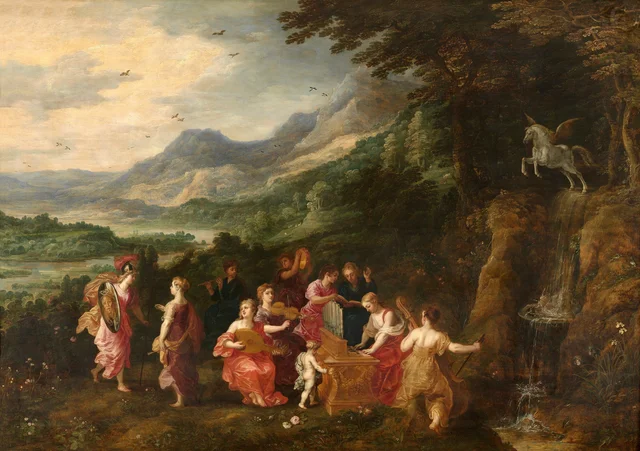 Minerva Visits the MusesHendrick van Balen the Elder, 1617
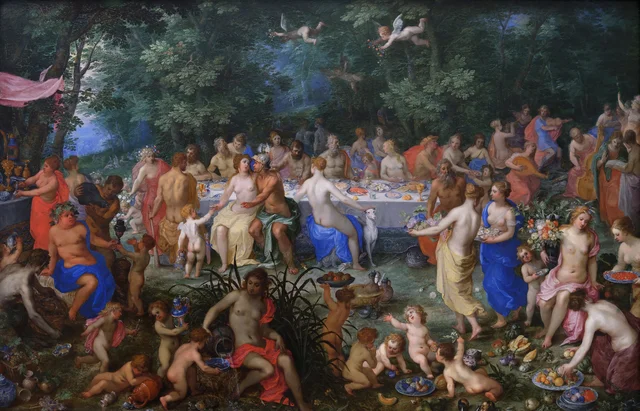 The Wedding of Thetis and PeleusHendrick van Balen the Elder, 1600
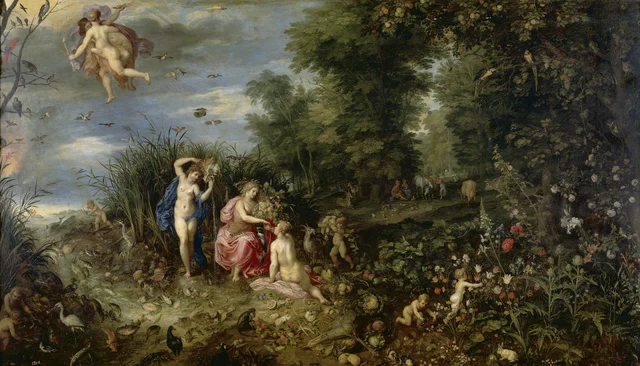 Abundance and the Four ElementsHendrick van Balen the Elder, 1615
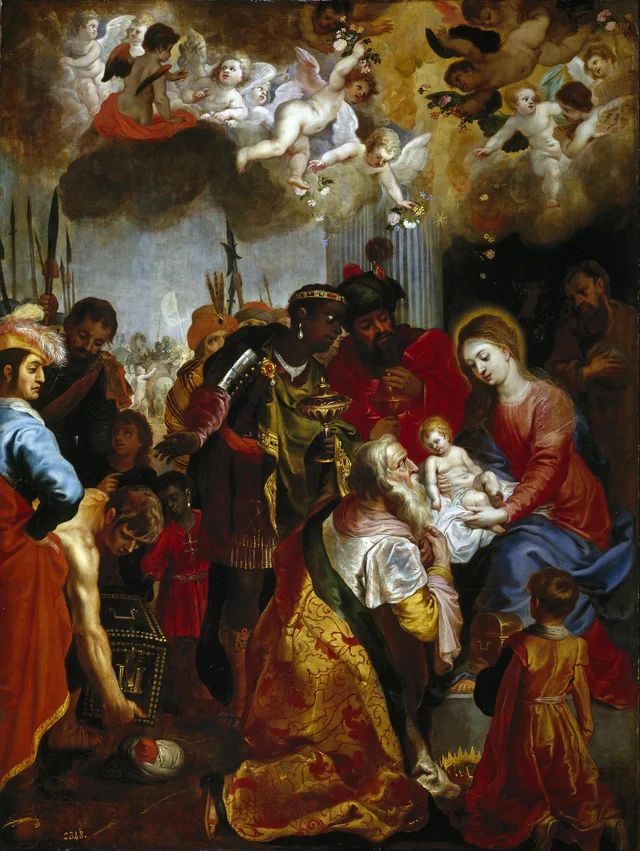 Adoration of the MagiHendrick van Balen the Elder, 1601
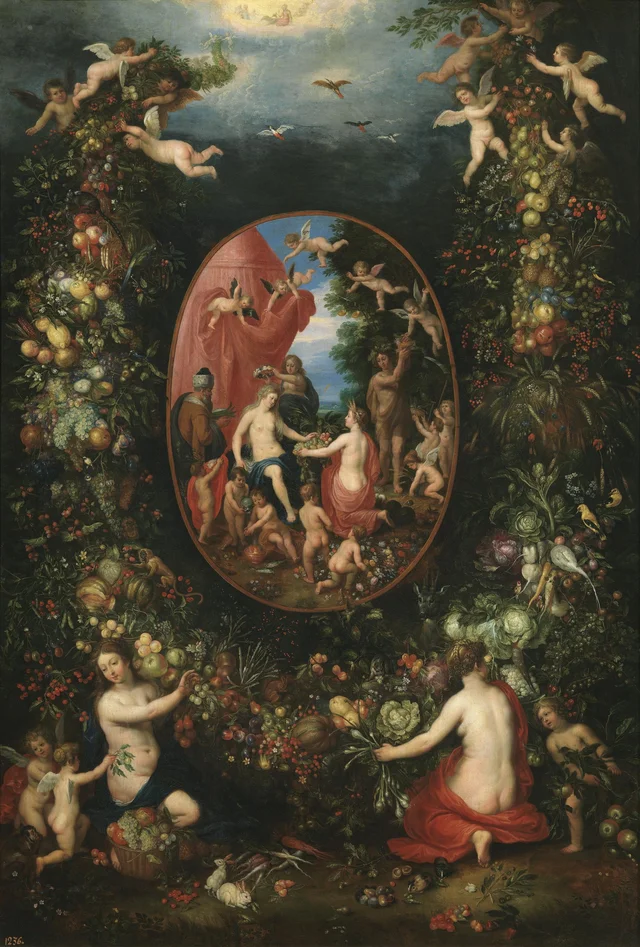 Cibeles and the seasons within a festoon of fruitHendrick van Balen the Elder, 1615
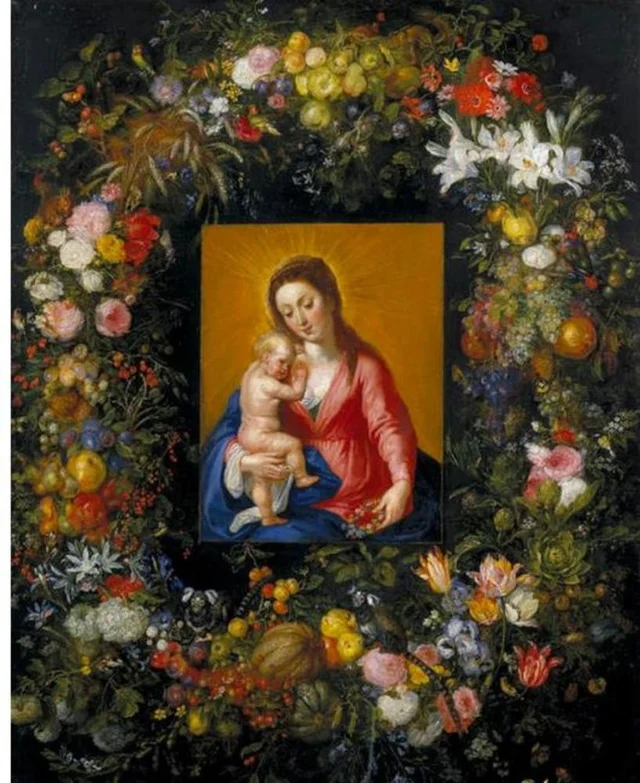 Garland with the Virgin and ChildHendrick van Balen the Elder, 1621