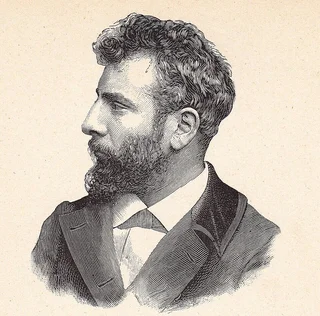
Henri-Jean Guillaume Martin
1860–1943 · France · Impressionism
The story
Henri Martin is the painter who took the hard science of Pointillism and made it soft. Born in Toulouse in 1860, he studied there and then in Paris under the history painter Jean-Paul Laurens, and a Salon prize sent him to Italy. It was in Rome that he found his manner: he broke his colour into small strokes the way the Neo-Impressionists did, but instead of exact dots he used loose, comma-like dabs, so his fields and gardens shimmer rather than vibrate.
Around 1900 he bought Marquayrol, an old farmhouse above the village of Labastide-du-Vert in the Lot valley of southwestern France, and painted the same terrace, orchard and hillsides for the rest of his life, following them through every season and hour. At the same time he was one of the Republic's favourite muralists. For the Capitole, the town hall of his native Toulouse, he painted large decorations of country labour, among them a scene of mowers and the banks of the Garonne, turning ordinary harvest work into calm allegory.
He died at Marquayrol in 1943, in the house he had painted more often than any other subject.
Works
20 works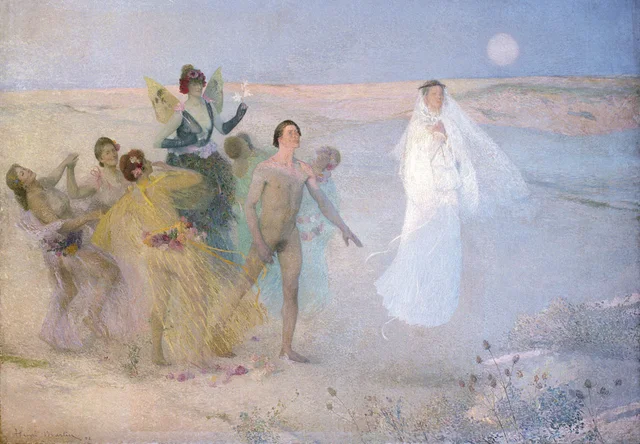 Man Between Vice and VirtueHenri-Jean Guillaume Martin, 1892
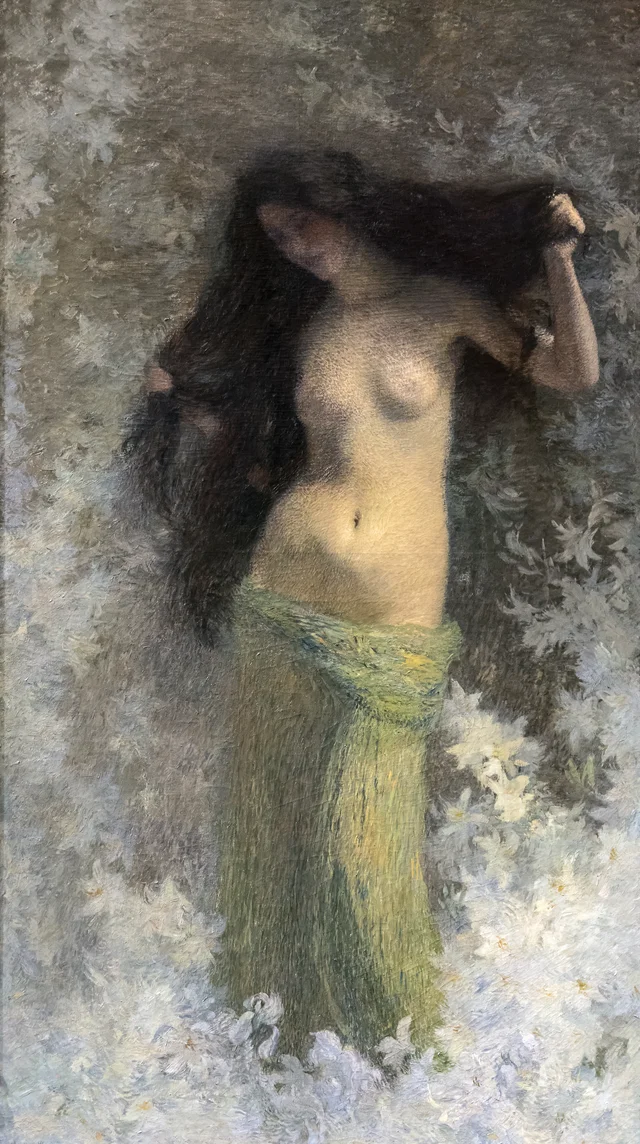 BeautyHenri-Jean Guillaume Martin, 1900
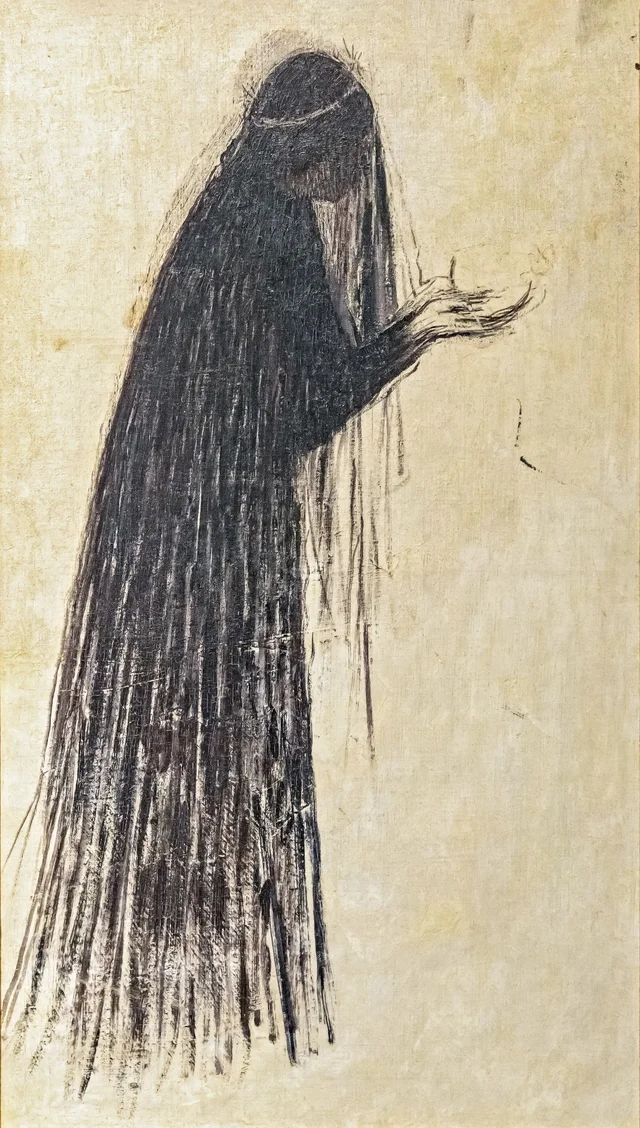 Allegory of painHenri-Jean Guillaume Martin, 1894
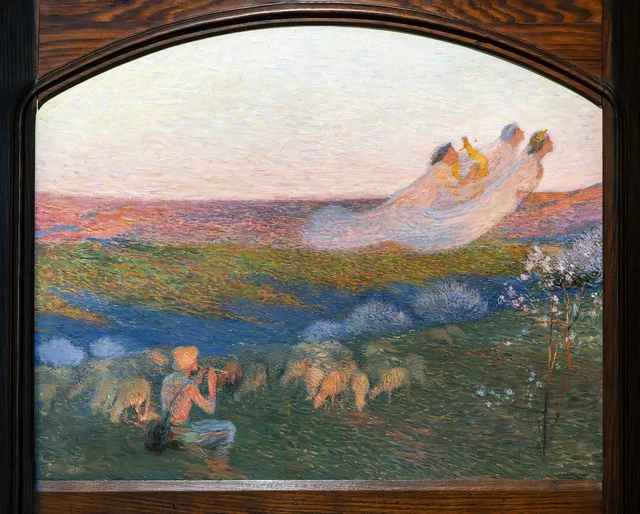 Berger et ses trois musesHenri-Jean Guillaume Martin, 1900
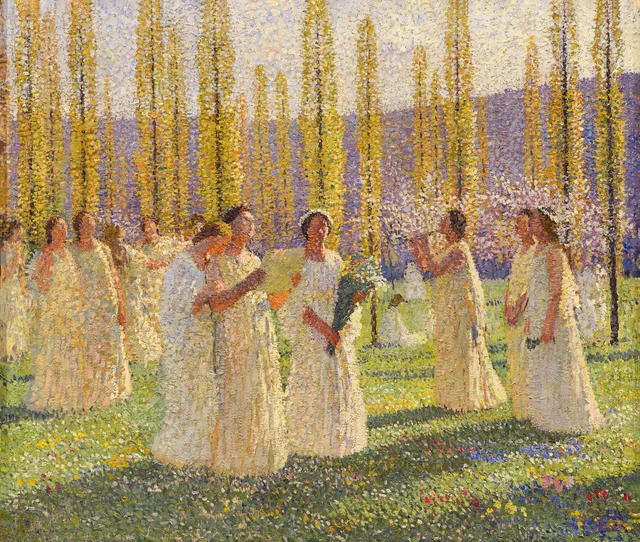 Étude pour les Champs-ÉlyséesHenri-Jean Guillaume Martin
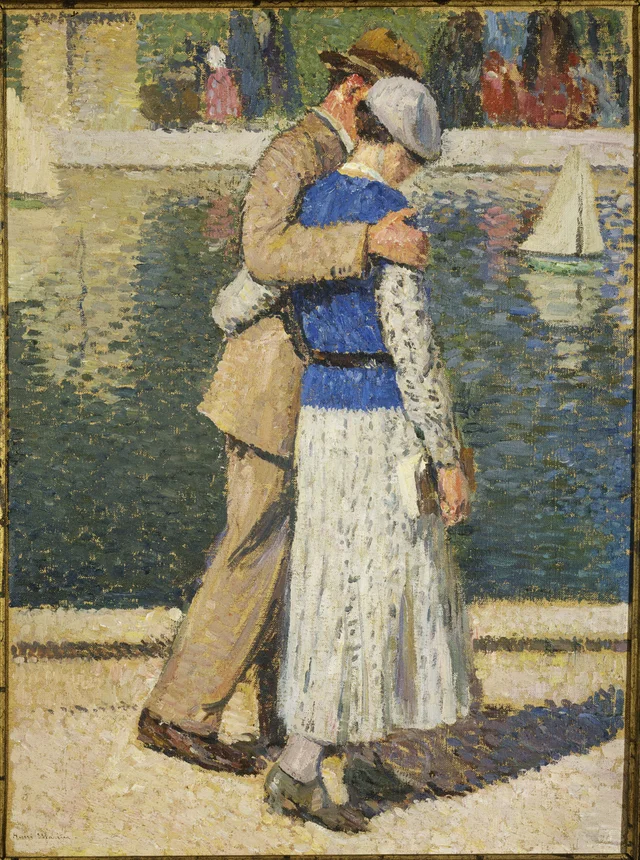 Groupe des amoureuxHenri-Jean Guillaume Martin, 1933
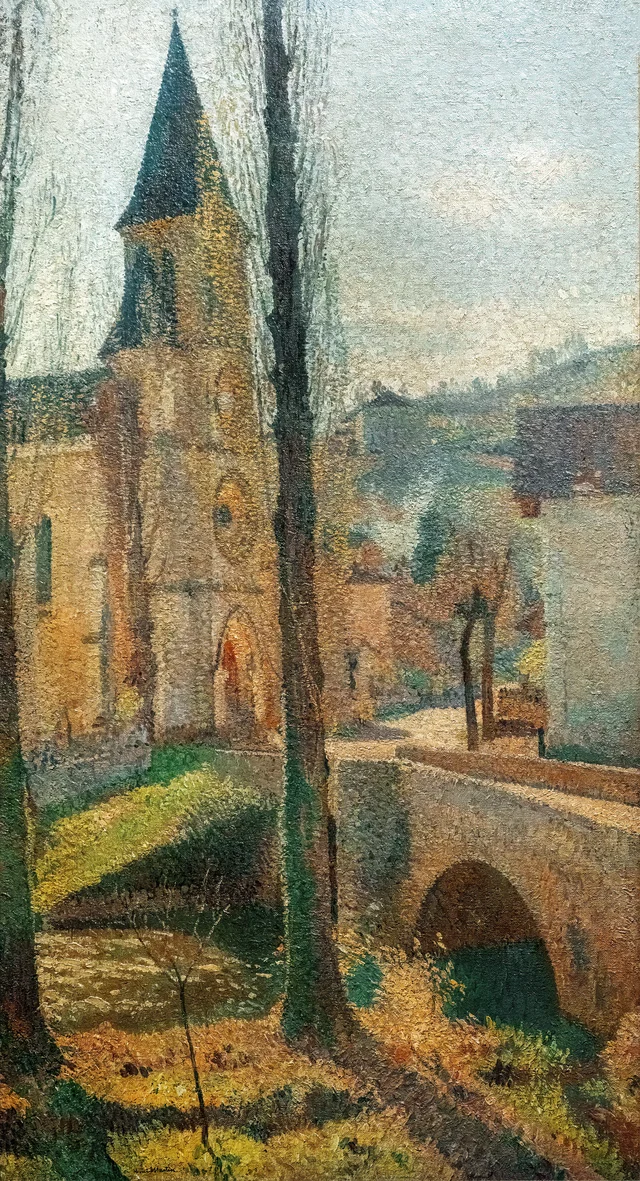 L'Eglise de Labastide-du-Vert et le pontHenri-Jean Guillaume Martin
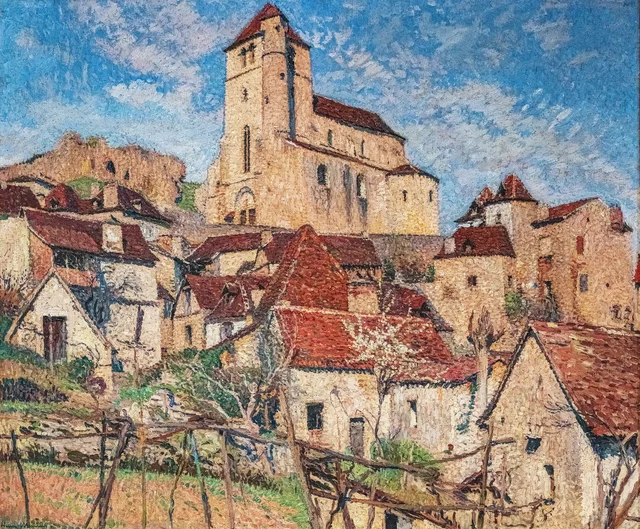 Les toitsHenri-Jean Guillaume Martin, 1895
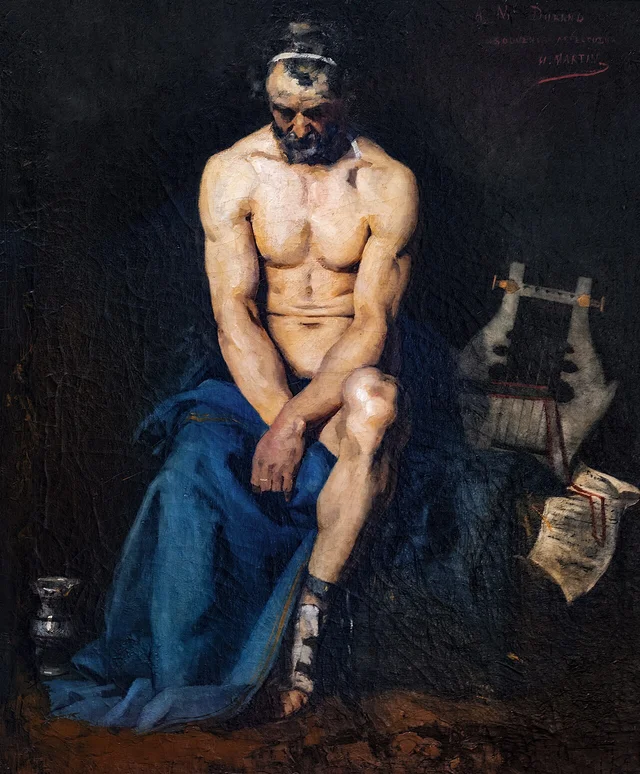 OrphéeHenri-Jean Guillaume Martin, 1878
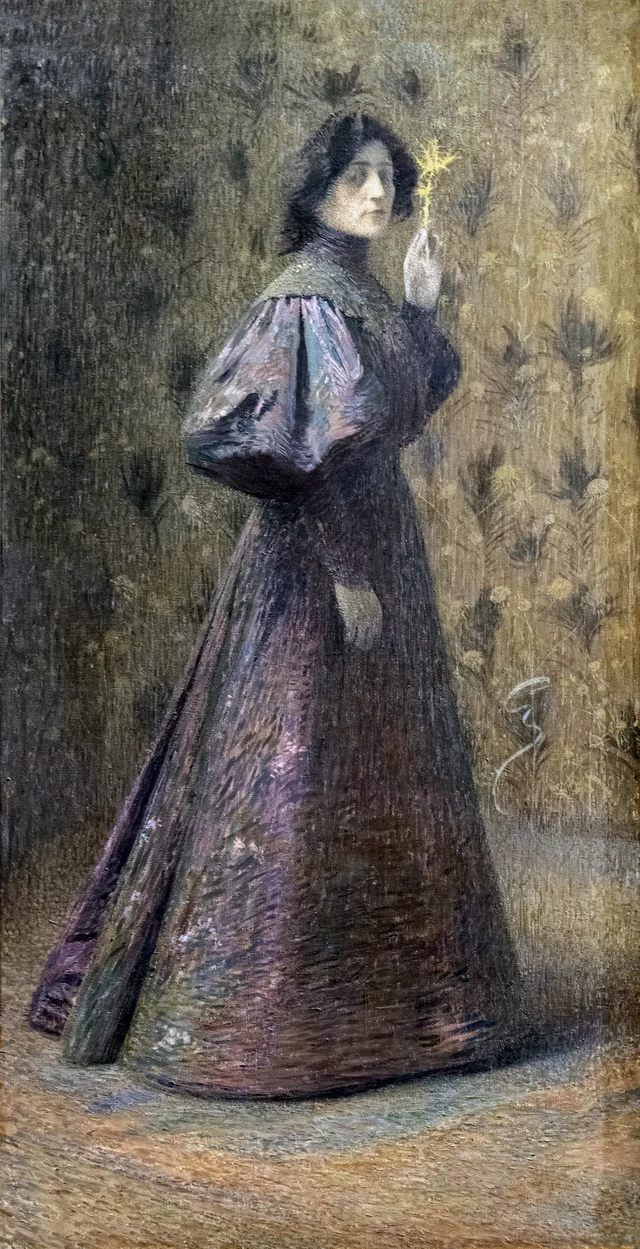 Portrait de Madame SansHenri-Jean Guillaume Martin, 1895
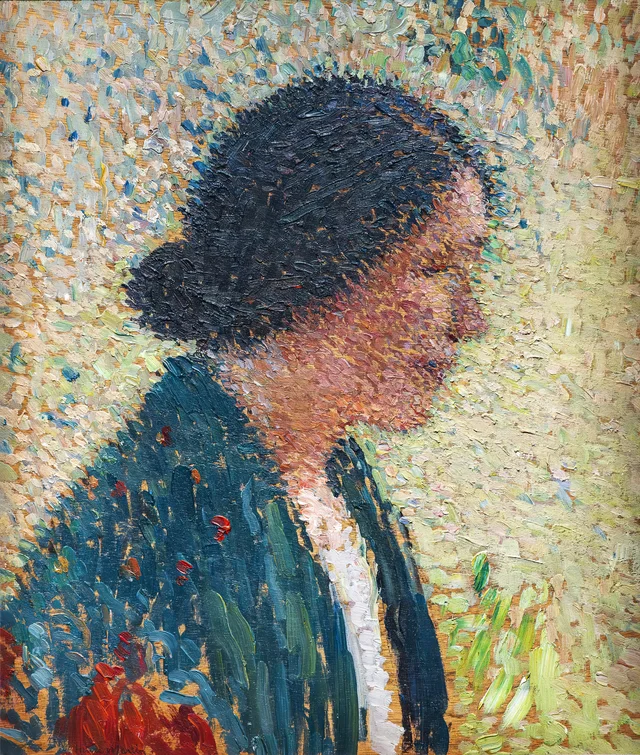 Portrait of Madame Henri MartinHenri-Jean Guillaume Martin, 1910
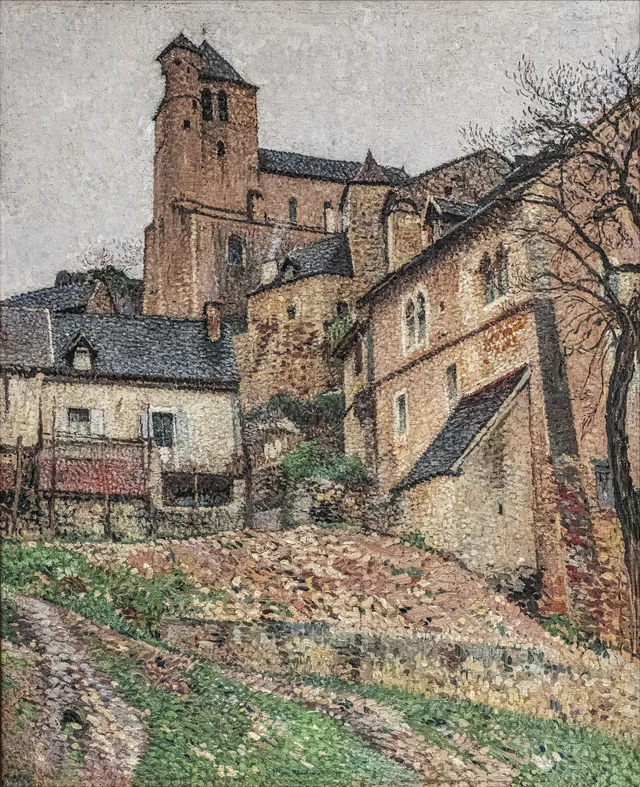 Saint-Cirq Lapopie, la place du CarolHenri-Jean Guillaume Martin, 1915
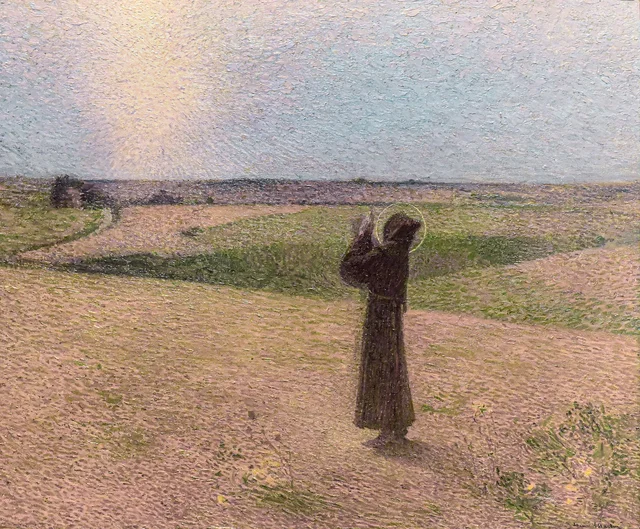 Saint Francis of AssisiHenri-Jean Guillaume Martin, 1894
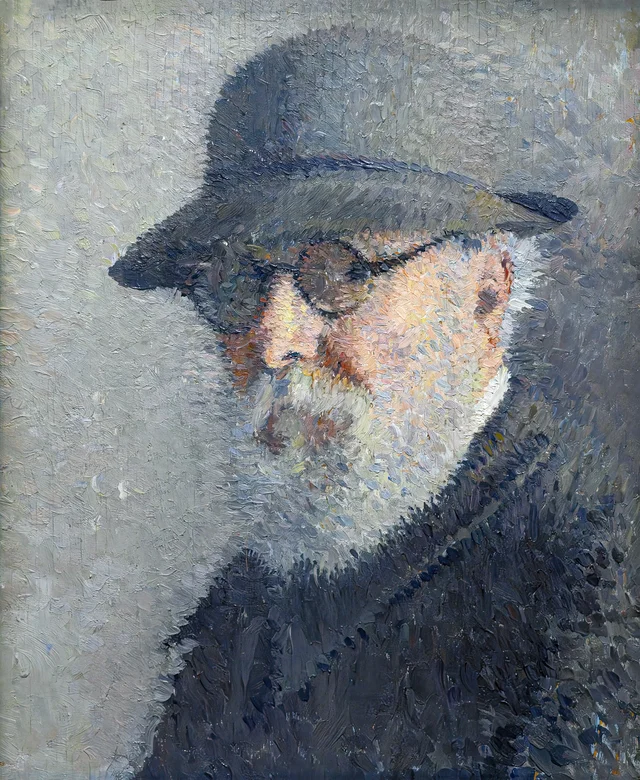 Self-PortraitHenri-Jean Guillaume Martin, 1938
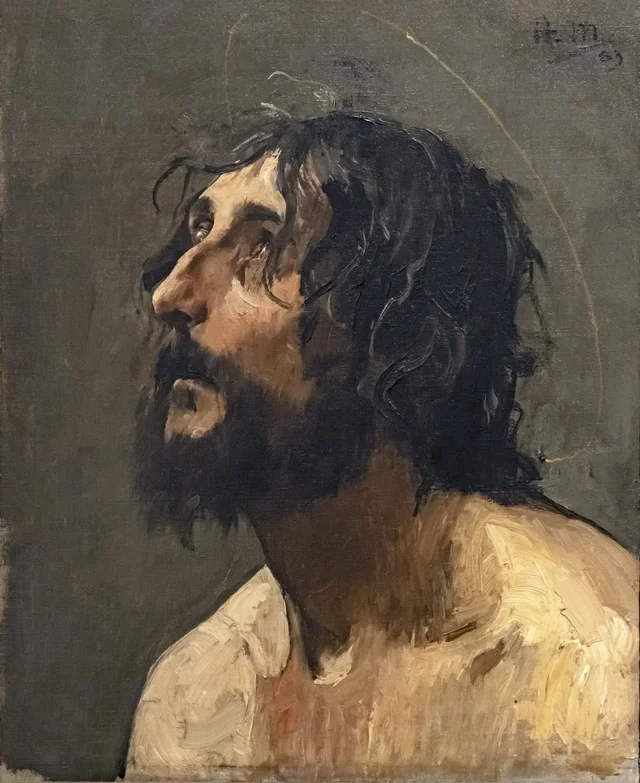 Self-Portrait as Saint John the BaptistHenri-Jean Guillaume Martin, 1883
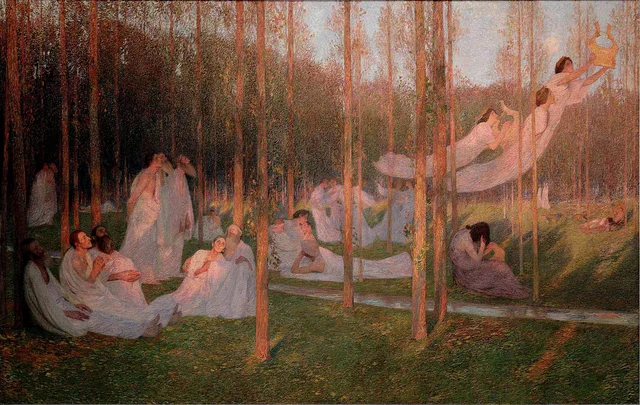 SérénitéHenri-Jean Guillaume Martin, 1899
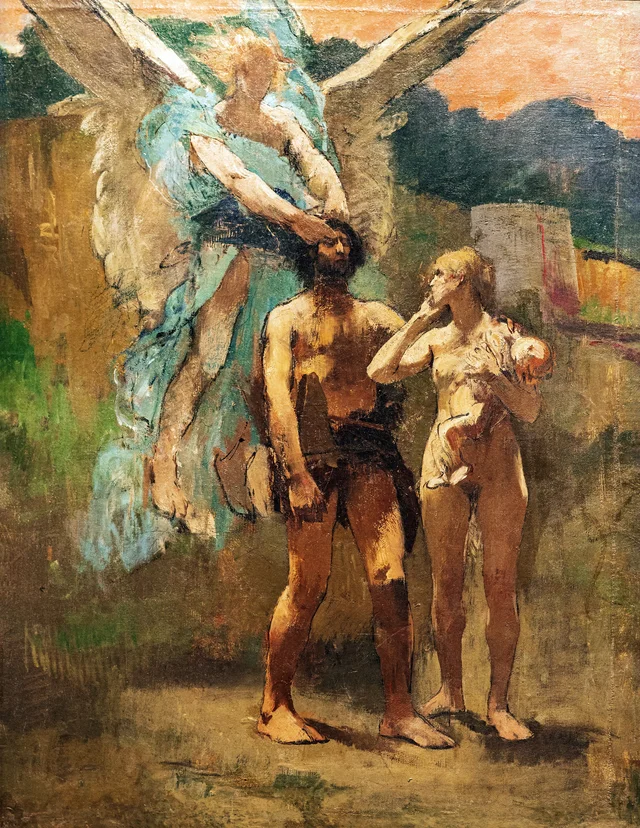 Study for The Punishment of CainHenri-Jean Guillaume Martin, 1884
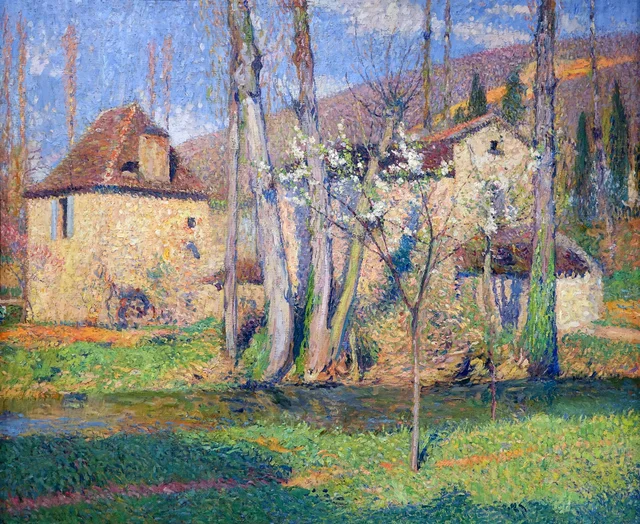 Thatched Cottages in SpringHenri-Jean Guillaume Martin, 1921
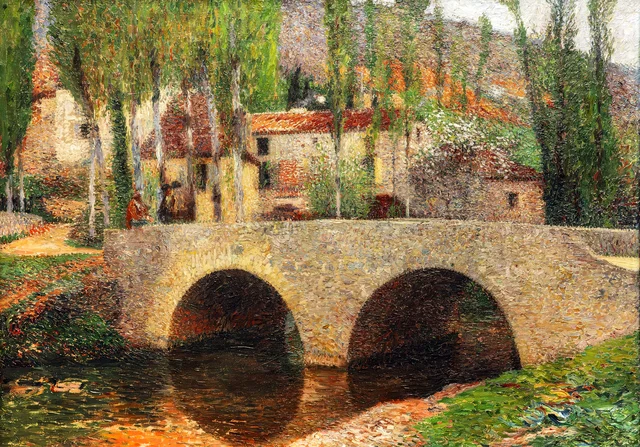 The Bridge at Labastide-du-VertHenri-Jean Guillaume Martin, 1920
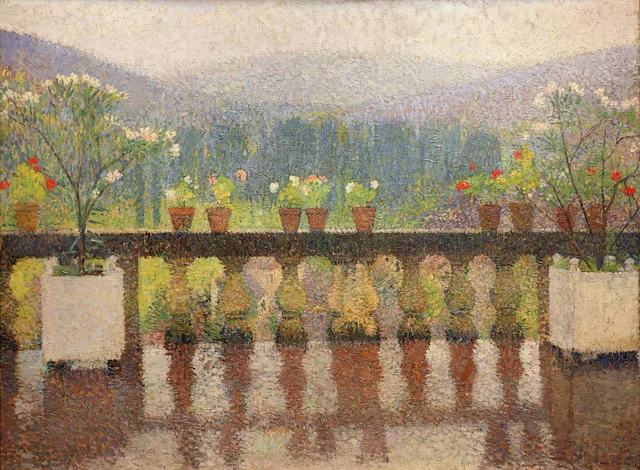 The Terrace at Marquayrol, Rainy WeatherHenri-Jean Guillaume Martin, 1920