Il Pordenone
1484–1539 · Republic of Venice · Mannerism
The story
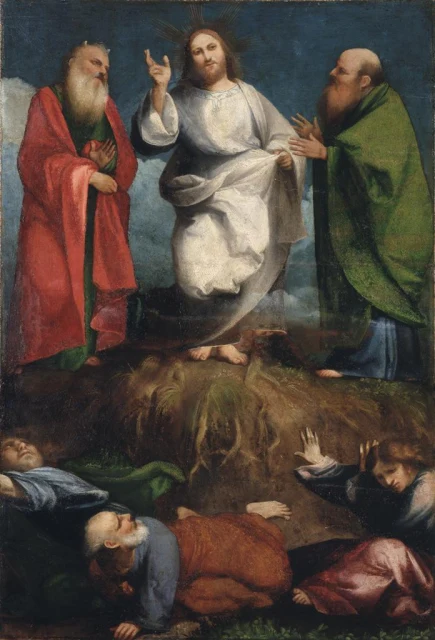
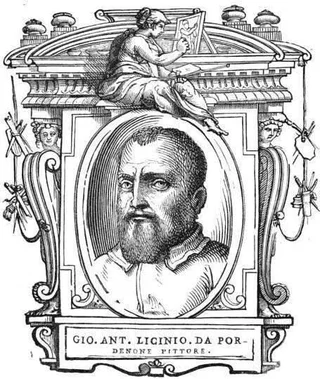
For a few years in the 1530s, one painter in Venice made even Titian nervous. He was Giovanni Antonio de' Sacchis, known from his home town as Il Pordenone, a market town in Friuli about 70 kilometres from the city. He arrived from the provinces and built a career on speed, muscle and shock, with figures that lunge out of the wall toward you, painted with a deliberate roughness meant to startle. Unusually for a Venetian, he worked as much in fresco as in oil, covering church walls and the fronts of palaces.
In his last decade he was Titian's most serious rival for the great public commissions, and the competition was bitter enough that gossip after his sudden death in 1539 whispered about poison. Nothing was ever proved.
Most of what made his name is gone. His work in the Doge's Palace burned in the fires of the 1570s, and the painted facades along the canals have weathered away. What survives is mainly in churches of northern Italy, where his crowded, violent, foreshortened scenes point ahead to Tintoretto, the younger Venetian who took over his kind of work.