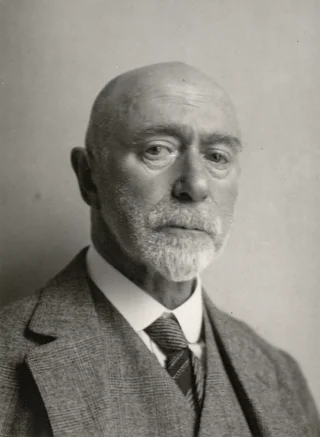
Isaac Israëls
1865–1934 · Kingdom of the Netherlands · Amsterdam Impressionism
The story
When Isaac Israëls signed his first canvases, he left the dots off the 'e' in his own surname. His father was Jozef Israëls, one of the most admired painters of the Hague School, and the son wanted a signature the public would not instantly tie to the family. He had trained in that father's studio as a boy, but he was after something faster and more modern.
He found it in the Amsterdam of the 1880s, alongside George Hendrik Breitner, a painter he had met at the art academy in The Hague. The two are credited with founding Amsterdam Impressionism, and their friendship ran on admiration and rivalry in equal measure. In 1892 Israëls stopped before one of Breitner's city views in a gallery window and admitted plainly that he could not match it, though at other moments it was Breitner who watched Israëls pull ahead.
Trips to Paris put him in front of Manet and Degas, and he became one of the few Dutch painters to take up the bright colour of the French. He liked the city in motion: café interiors, sewing workshops, fashionable women on the street. Some of his best-known canvases were painted inside the Amsterdam fashion house Hirsch, where he set himself up to watch mannequins and shopgirls at work.
Works
10 works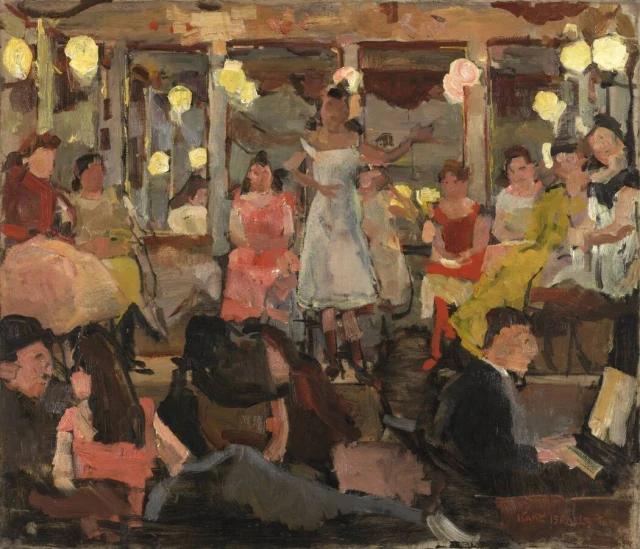 Café-Chantant in the Nes in AmsterdamIsaac Israëls, 1893
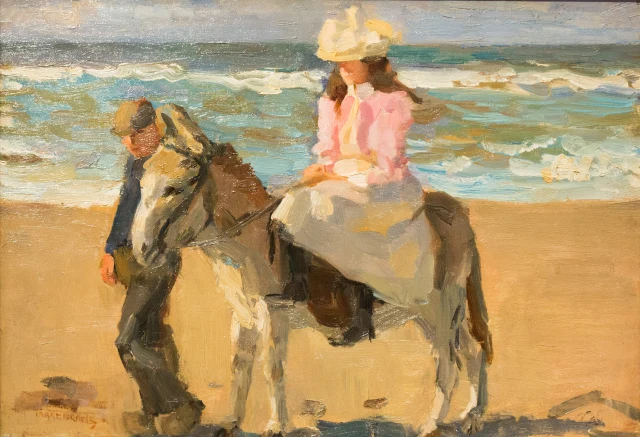 Girl on a DonkeyIsaac Israëls, 1898
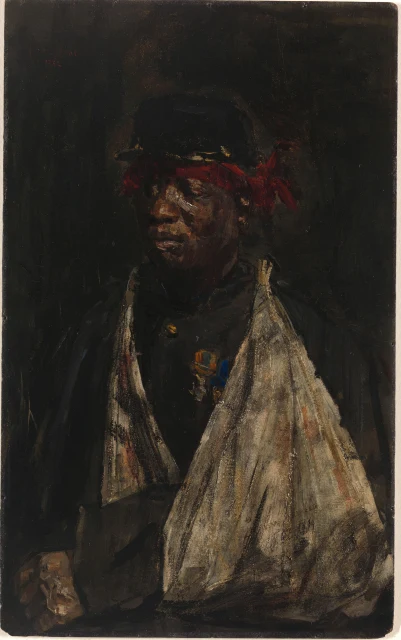 Portrait of a Wounded KNIL SoldierIsaac Israëls, 1882
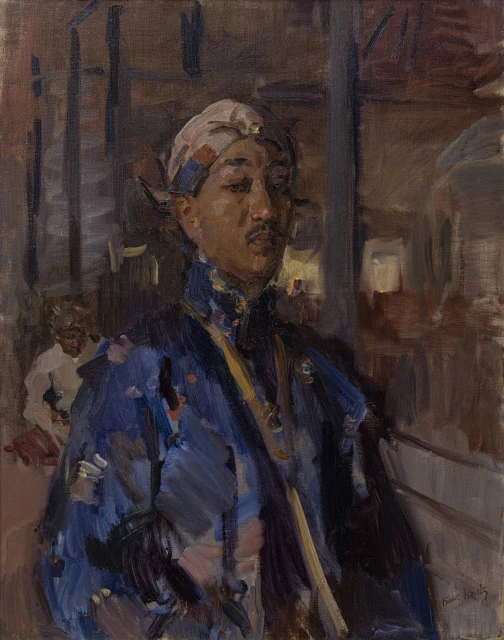 Portrait of Mangkunegara VII, a Javanese RulerIsaac Israëls, 1922
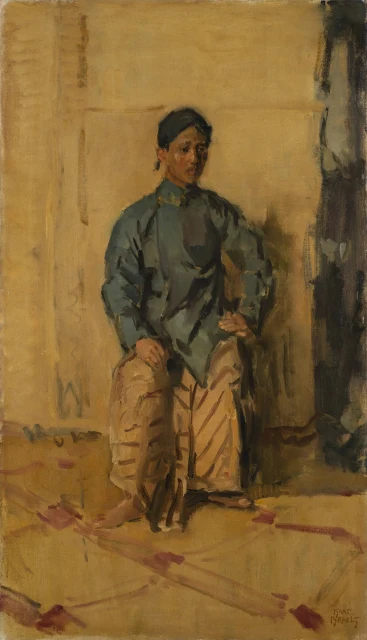 Portrait of Sosro KartonoIsaac Israëls, 1916
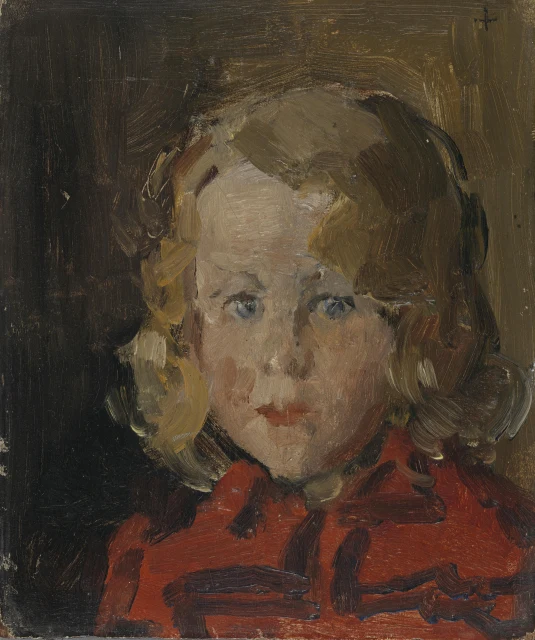 Portrait of Vincent Willem van GoghIsaac Israëls, 1894
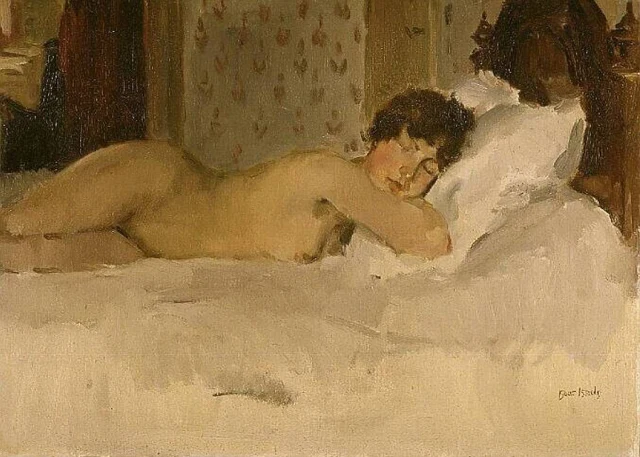 Reclining NudeIsaac Israëls, 1917
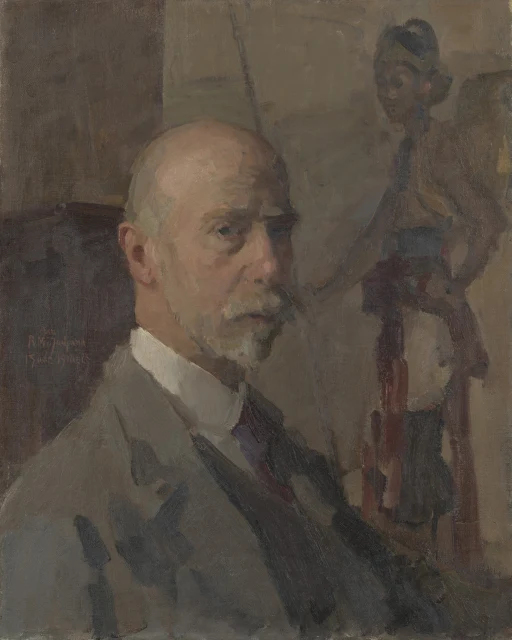 Self-Portrait with a Portrait of Raden Mas Jodjana in the BackgroundIsaac Israëls, 1919
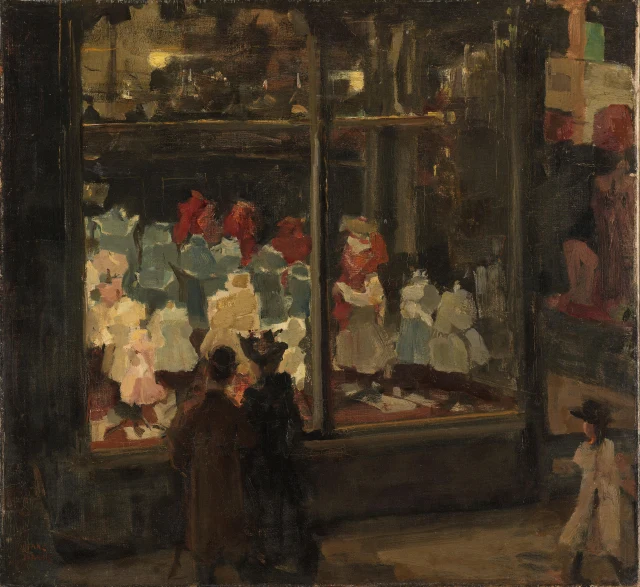 Shop WindowIsaac Israëls, 1894
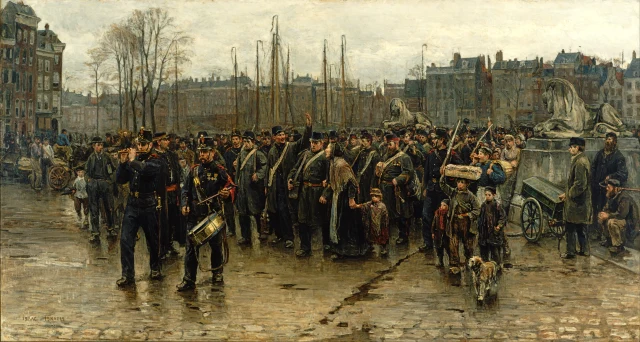 Transport of colonial soldiersIsaac Israëls, 1883