J. Alden Weir
1852–1919 · United States · American Impressionism
The story
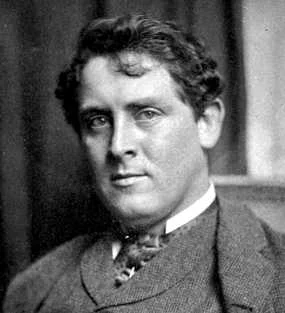
In 1877 a young American painter walked out of an Impressionist exhibition in Paris and wrote home in disgust. He had seen, he told his parents, nothing but horrible things, painters who ignored drawing and form to give an impression of nature. It was, he said, worse than a chamber of horrors. The painter was Julian Alden Weir, and within a decade or so he would become one of the leading American Impressionists himself.
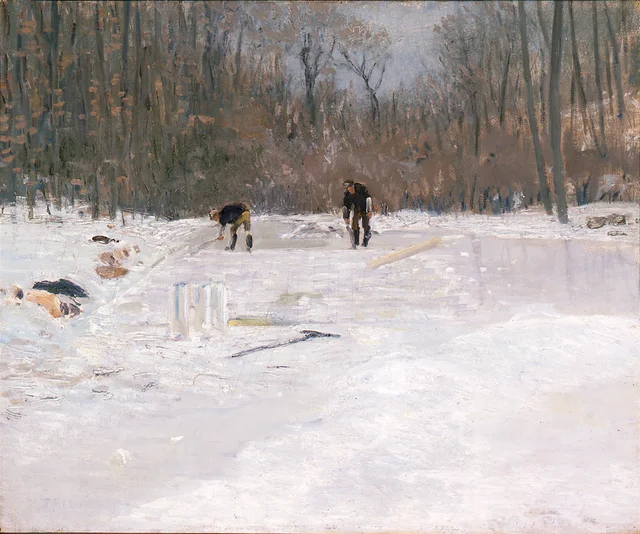
Weir had trained in the strict French tradition under Jean-Léon Gérôme at the École des Beaux-Arts, all careful line and finish. Back in the United States he slowly loosened, softening his color and light until he had crossed over to the very manner he once despised. In 1897 he joined the painters Childe Hassam and John Twachtman to form The Ten, a group who left the big exhibiting societies to show their Impressionist work on their own terms.
His anchor was a farm at Branchville, Connecticut, 153 acres he got in 1882 in trade for a painting and some cash. He painted its stone walls and orchards for the rest of his life, and the place survives as Weir Farm, the only site in the United States national park system devoted to a painter.