Jacob van Campen
1596–1657 · Dutch Republic · Dutch Baroque architecture
The story
Jacob van Campen is best known as the architect who gave the Dutch Republic its grandest building, though he began as a painter, and that is why his name sits among artists here.
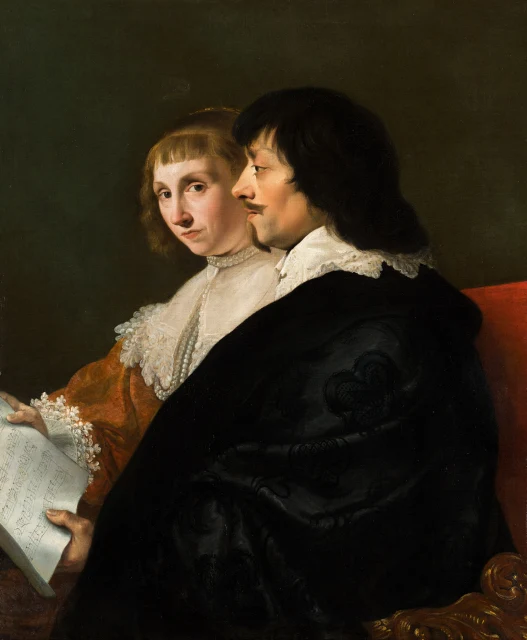
Born into a wealthy Haarlem family, he trained first as a painter and spent time in Italy studying the ruins and the buildings of the classical architects Palladio and Scamozzi. He kept painting history subjects and portraits well into his career, and later designed the painted decoration of the Oranjezaal, the memorial hall in a royal country house outside The Hague.
His real monument is in stone. Van Campen brought a calm, symmetrical classical style to a country that had built in brick and stepped gables, and in 1648 he designed Amsterdam's new Town Hall on the Dam, the largest secular building in Europe at the time and now the Royal Palace. Contemporaries called it the eighth wonder of the world. He also designed the Mauritshuis in The Hague, the compact classical house that today holds Vermeer's View of Delft.