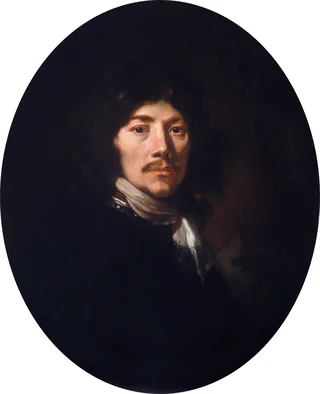
Jacob van Loo
1614–1670 · Dutch Republic, France · Dutch Golden Age painting
The story
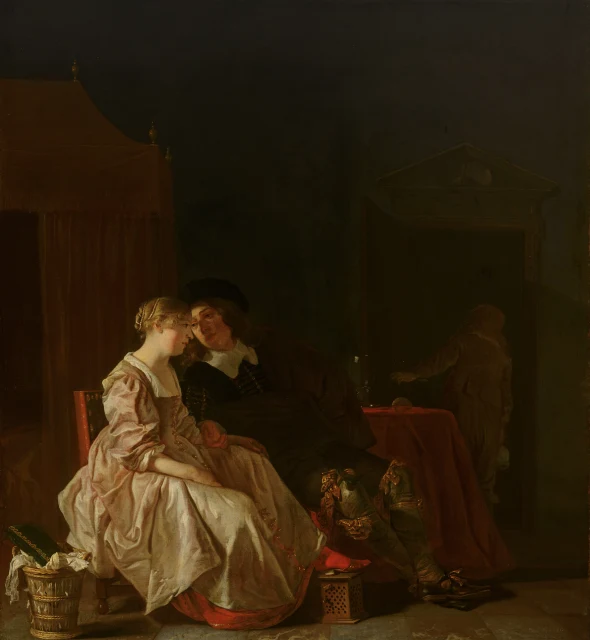
In the Amsterdam of the 1650s, when Rembrandt was the name everyone knew, Jacob van Loo was quietly outselling him in one thing: the painted nude. Collectors prized his smooth, warm-lit female figures, his Dianas and Bathshebas, above almost anyone's, and commissions for elegant conversation pieces kept his studio busy.
Then one November night in 1660 a long feud with a wine merchant named Hendrick Breda turned into a street fight, and van Loo stabbed him in the belly. The man died where he fell. Rather than wait for the court, the painter gathered his children and fled south to Paris. Amsterdam sentenced him to death in his absence, so he could never go home.
He did not vanish. In 1663 the Académie royale de peinture, the crown's new art academy in Paris, admitted him as a full member, and he spent his last years painting for a French clientele. His son and grandsons carried the name into the next century as court painters to Louis XV. The family that produced the fashionable Louis-Michel van Loo began with a man who left the Dutch Republic under a death sentence.