Jan Cornelisz Vermeyen
1500–1559 · Habsburg Netherlands · Renaissance, Northern Renaissance
The story
In the summer of 1535 the emperor Charles V sailed from Barcelona to take Tunis from the Ottoman admiral Barbarossa, and he brought a painter with him. Jan Cornelisz Vermeyen's task was to record what he saw on the campaign: the siege of the fortress of La Goletta, the fighting, the coastline, the army on the move. About ten years later those field drawings became the basis for the largest and most expensive tapestry series Charles V ever ordered, twelve huge hangings on the Conquest of Tunis. Vermeyen drew the full-size cartoons between 1546 and 1550, the Brussels weaver Willem de Pannemaker wove them, and in one scene Vermeyen included himself beside a map of the western Mediterranean. Ten of his cartoons survive in the Kunsthistorisches Museum in Vienna.
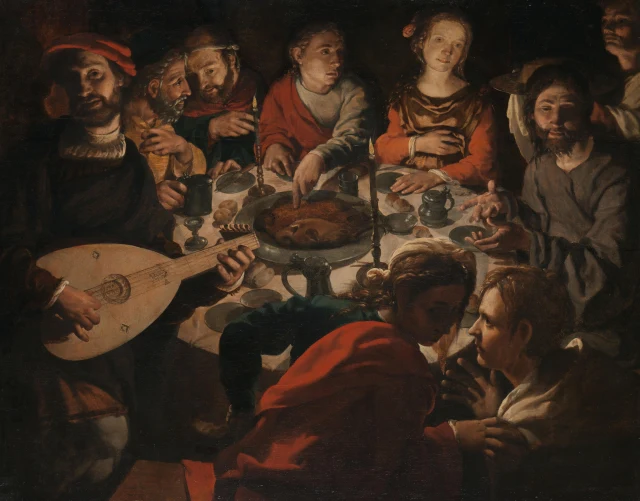
He came from Beverwijk, a town near Haarlem, and by about 1525 he was court painter to Margaret of Austria, the emperor's aunt and regent of the Netherlands, in Mechelen. From those years comes the panel in the Rijksmuseum, the Calling of Saint John during the Marriage at Cana. It is a night feast lit by candles, with gold leaf for the flames and faces caught between light and deep shadow. Night scenes like this were still rare in painting then, some 70 years before Caravaggio made them fashionable.
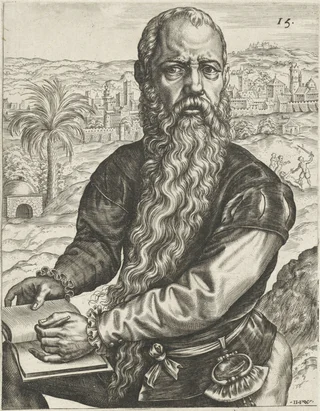
Contemporaries called him Jan met de Baard, Jan with the Beard, for a beard so long that it became his trademark. He died in Brussels in 1559, and much of his painted work was destroyed a few years later in the image-breaking riots of 1566.