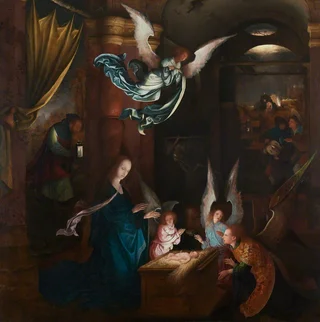
Jan de Beer
1475–1528 · County of Flanders · Antwerp Mannerism, Northern Renaissance
The story
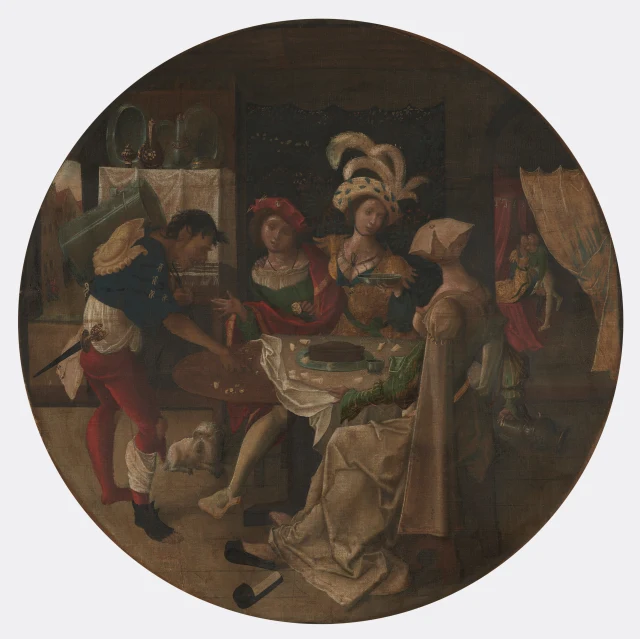
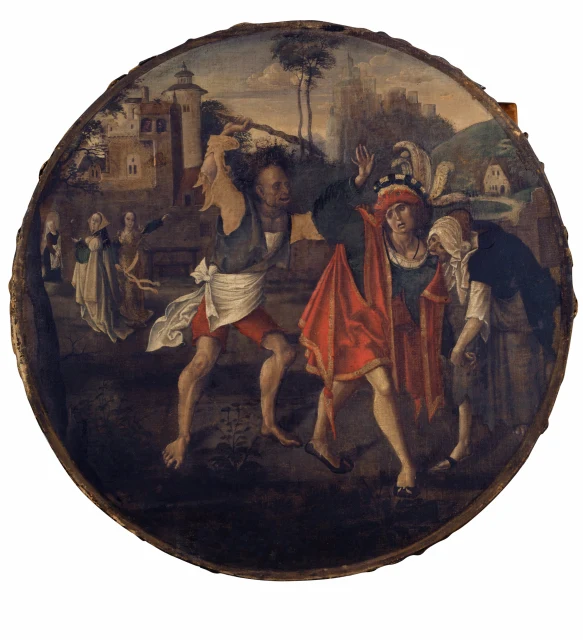
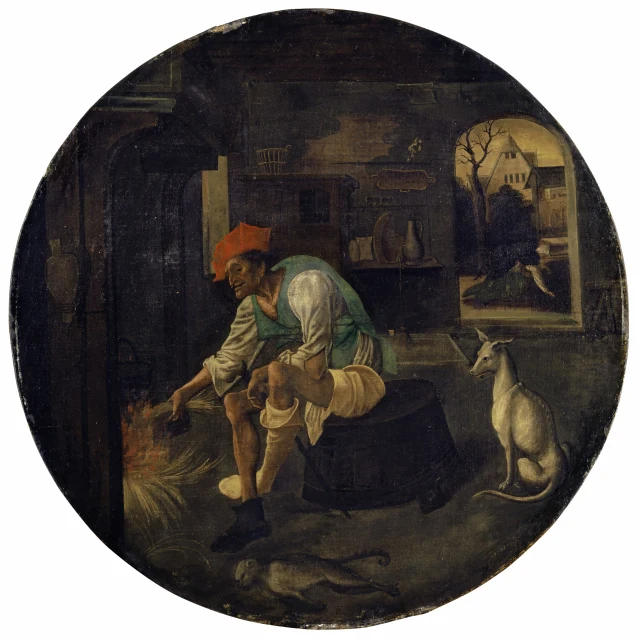
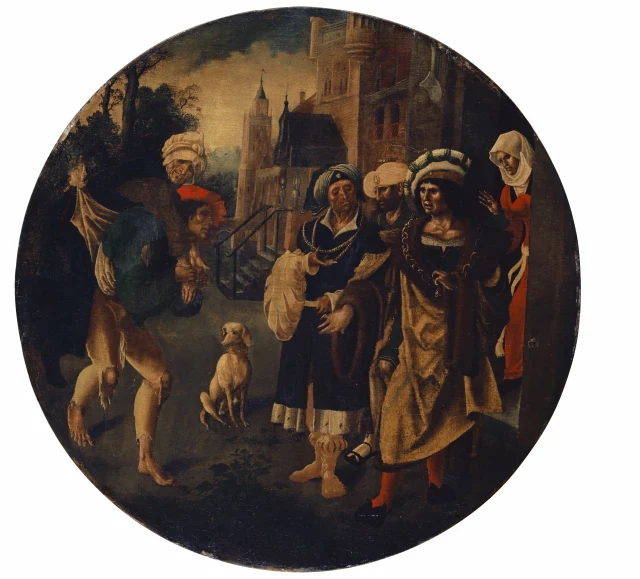
For nearly four centuries the name Jan de Beer belonged to almost nothing. Then in 1902 a scholar working in the British Museum, Georges Hulin de Loo, looked at a sheet of head studies filed under the landscape painter Joachim Patinir and read a faint inscription in one corner, 'Jan de beer.' From that single name he began putting an artist back together, matching the drawing to a scatter of unsigned altarpieces until a real body of work had a maker again.
De Beer worked in Antwerp in the early 1500s, when the port was fast becoming the great trading city of northern Europe and its painters were turning out ornate, crowded religious scenes for a booming export market. He was one of the leading hands in that fashion, later called Antwerp Mannerism, full of twisting figures, fanciful architecture and restless drapery. He joined the city's Guild of Saint Luke as a master in 1504 and was elected its dean in 1515.
His surviving pictures are mostly Nativities and Adorations, lit with the warm, packed detail that Antwerp buyers wanted. The sheet in London, nine male heads crowded onto one page, is the closest thing we have to watching him think on paper.