Jan van den Hoecke
1611–1651 · Southern Netherlands · Baroque
The story
When Archduke Leopold Wilhelm, younger brother of the Holy Roman Emperor, went to Brussels in 1647 to govern the Spanish Netherlands, he took Jan van den Hoecke with him. The Antwerp painter was to be more than a court artist. He was also made keeper of the archduke's picture collection, one of the largest in northern Europe, with some 1,400 paintings and other works.
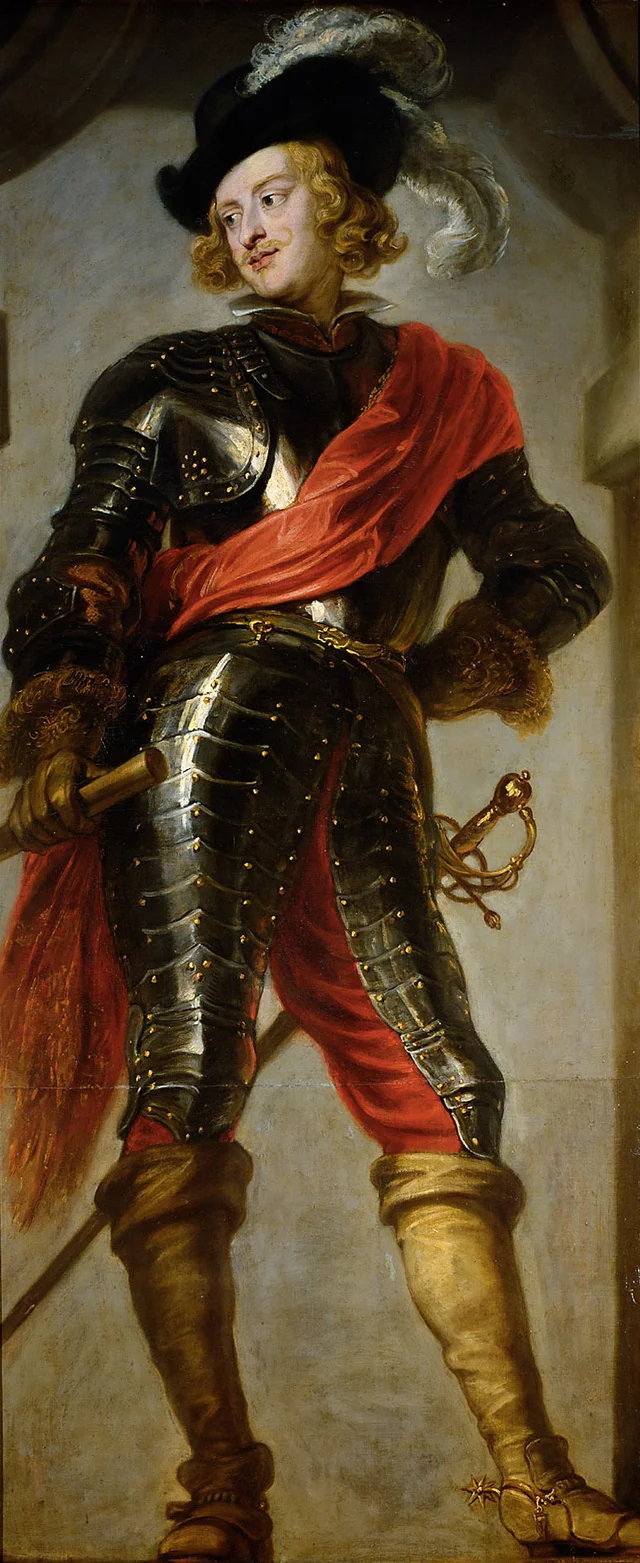
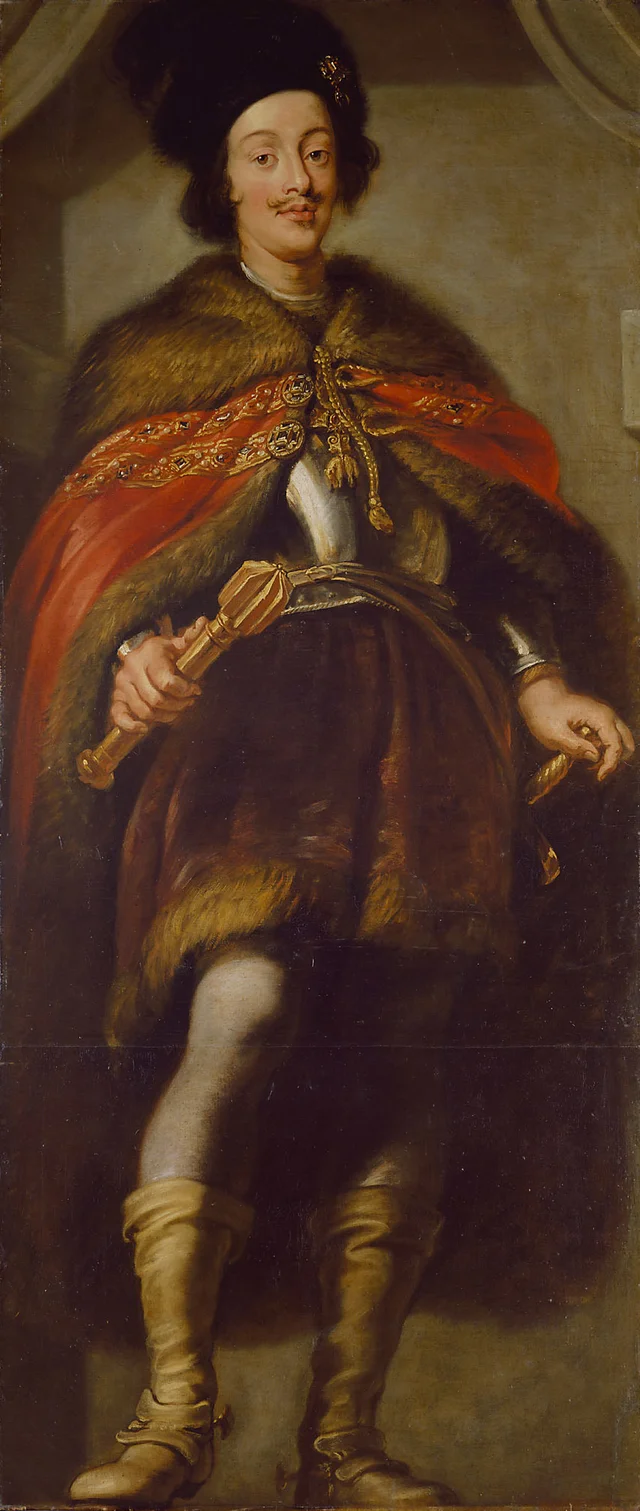
Van den Hoecke had come up through the busiest workshop in Antwerp. In the 1630s he was one of the main assistants of Peter Paul Rubens, and he painted for the triumphal arches the city put up in 1635 to welcome its new governor, the Cardinal-Infante Ferdinand. He then spent years in Italy, studying ancient sculpture and the work of Guido Reni, the Bolognese master, and in 1644 he was admitted in Rome to the Virtuosi al Pantheon, a select society of artists. By the mid-1640s he was working for Emperor Ferdinand III.
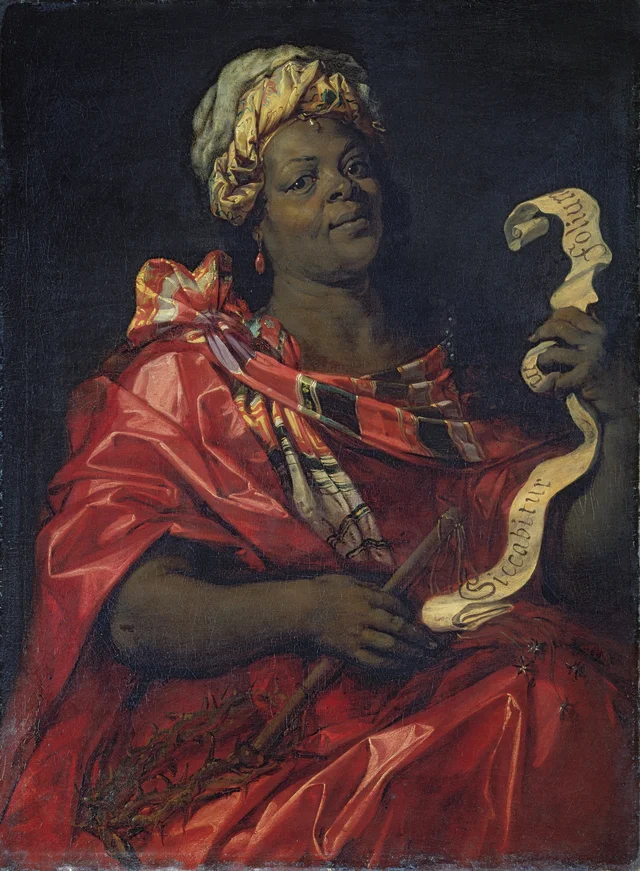
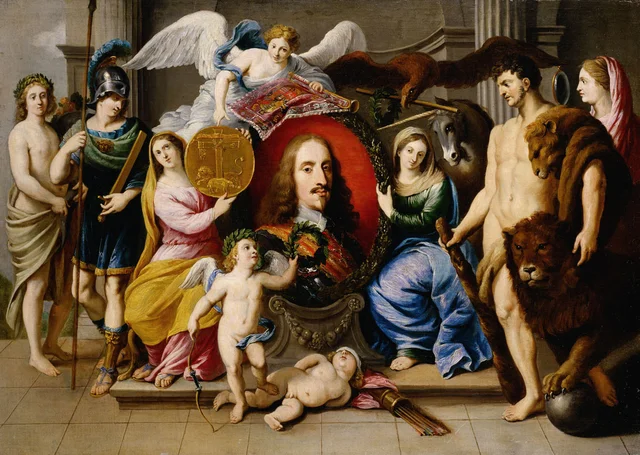
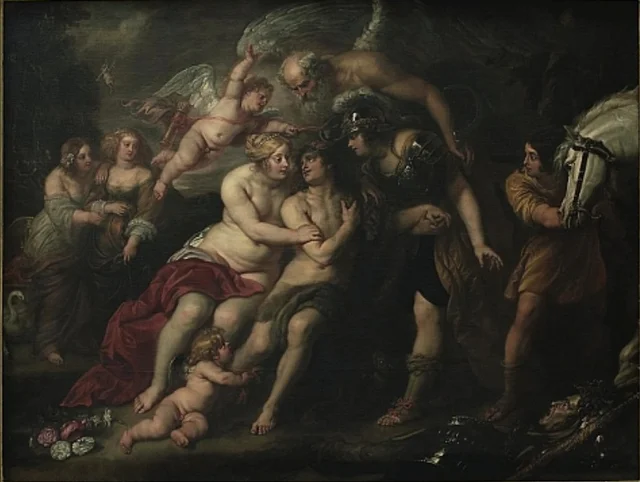
For the archduke he painted altarpieces, allegories and designs for tapestries, among them a series on the passing of time. The collection in his care came to hold 45 of his own paintings, reportedly more than by any other Flemish artist in it. He held the post only a few years and died in 1651, at about 40. Much of the archduke's collection later went to Vienna, where it became the core of the Kunsthistorisches Museum's picture gallery.