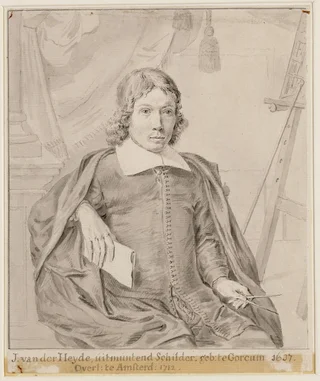
Jan van der Heyden
1637–1712 · Dutch Republic · Baroque, Dutch Golden Age
The story
In the Amsterdam of the 1660s, a fire in the tight rows of wooden gabled houses could run through a whole street before anyone reached the water. Jan van der Heyden spent much of his life on that problem. Trained as a painter, he became one of the first Dutch artists to specialise in the townscape, laying out brick facades and church towers with an almost surveyor's precision.
The city knew him better as an engineer. In 1669 he was made director of Amsterdam's street lighting and designed an oil lamp on a post, along with the organisation to tend it. His scheme lit the canals from 1669 until 1840 and was copied by towns across Europe. With his brother Nicolaes, a hydraulic engineer, he then rebuilt the fire engine around a flexible leather hose that could be carried into a burning building, reorganised the volunteer brigade, and around 1690 published a firefighting manual he illustrated himself.
His paintings carry the same exactness. He liked to reuse favourite motifs, dropping a particular church or a garden wall into invented views, so that a van der Heyden street is often a place that never quite existed, assembled from parts he had drawn from life.
Works
10 works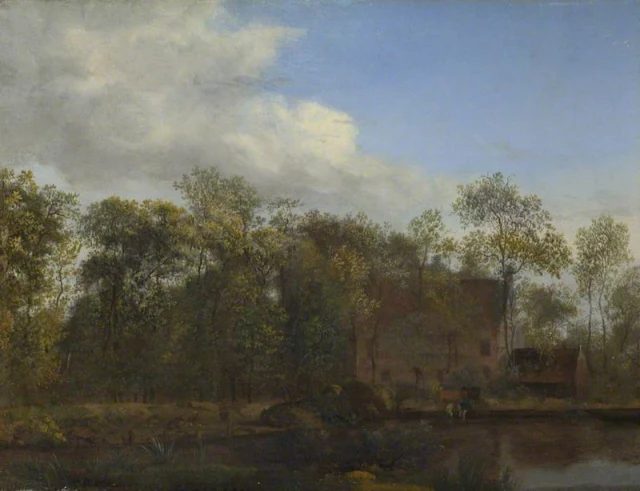 A Farm among TreesJan van der Heyden, 1670
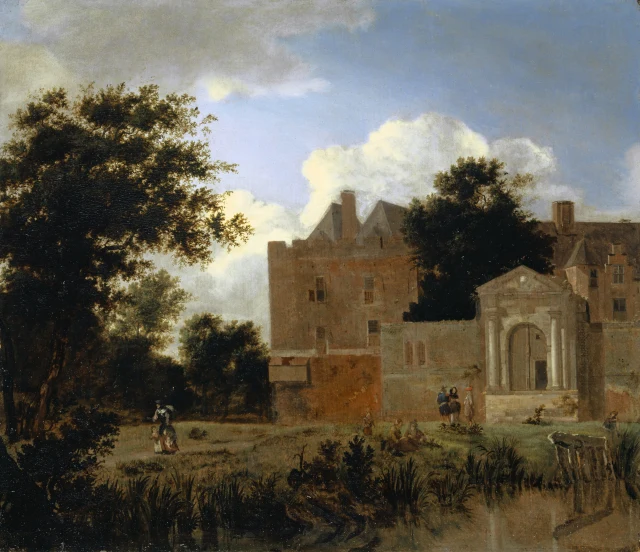 Castle NijenrodeJan van der Heyden, 1665
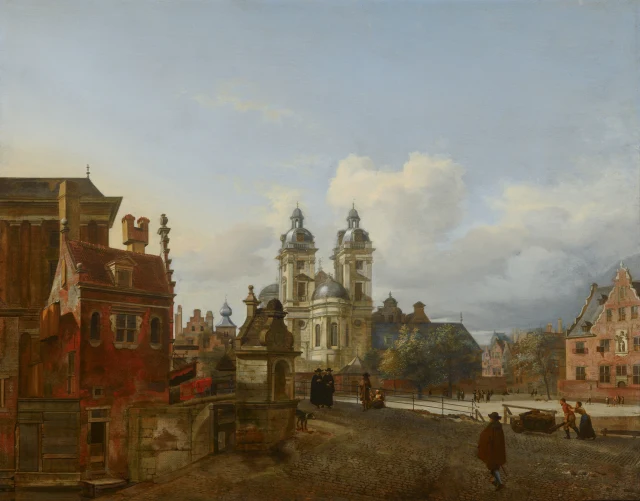 The Church of St Andrew in DüsseldorfJan van der Heyden, 1667
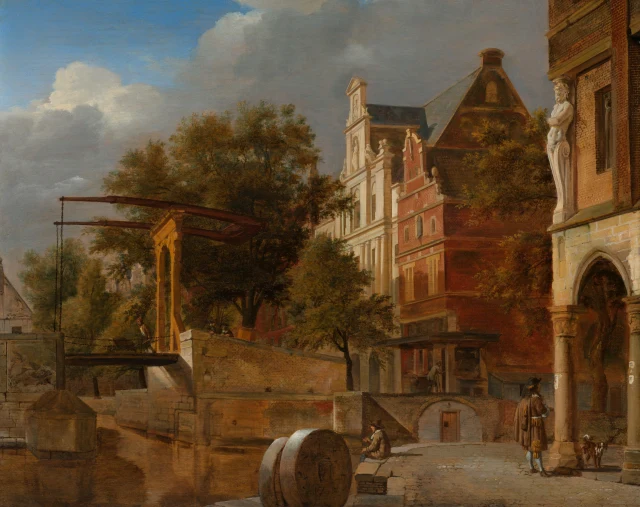 The DrawbridgeJan van der Heyden, 1666
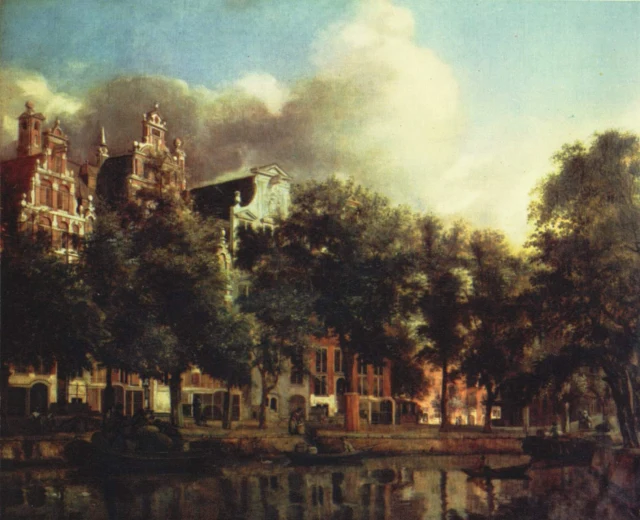 The Herengracht in AmsterdamJan van der Heyden, 1671
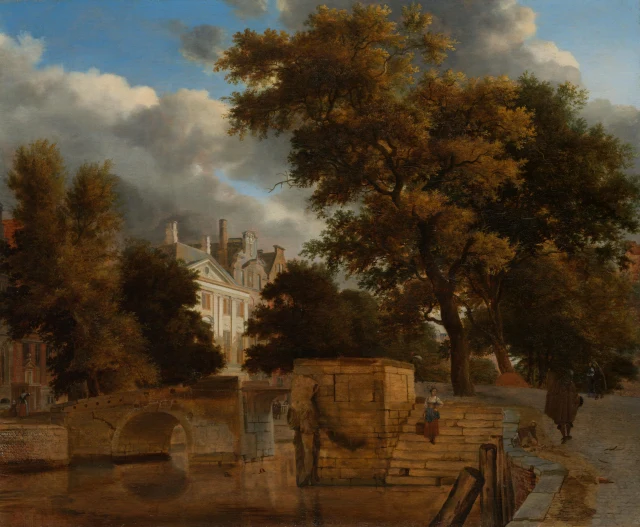 The Stone BridgeJan van der Heyden, 1666
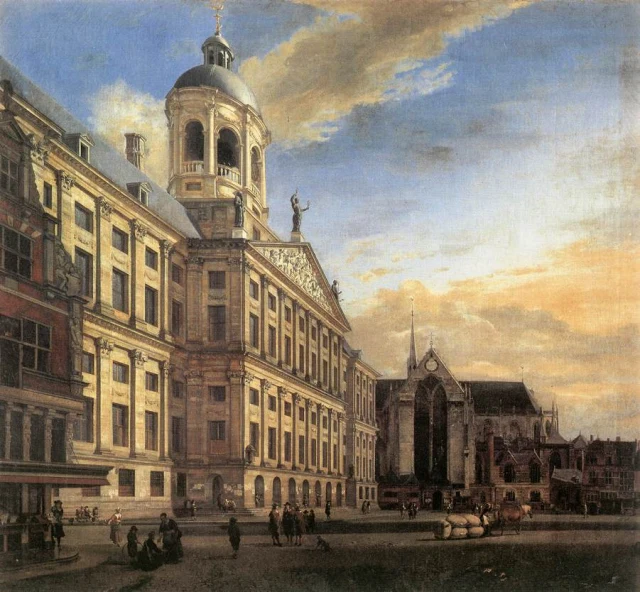 The Town Hall of AmsterdamJan van der Heyden, 1667
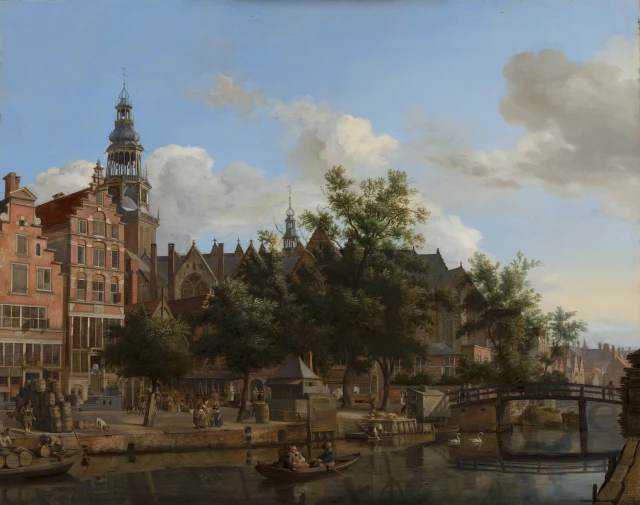 View of Oudezijds Voorburgwal with the Oude Kerk in AmsterdamJan van der Heyden, 1670
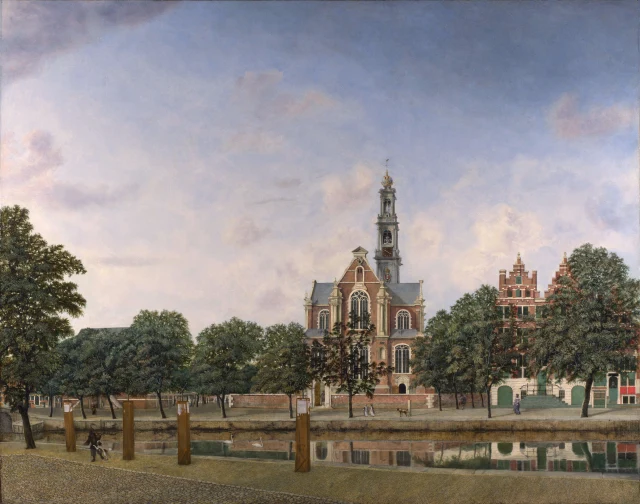 View of the Westerkerk, AmsterdamJan van der Heyden, 1660